
Eco Toothbrush Materials That Work Every Day
A toothbrush is one of the smallest objects in the bathroom, yet it is used twice a day and replaced regularly. That makes eco toothbrush materials worth looking at closely. The best choice is not simply the one that looks natural on the counter. It should feel comfortable in your hand, clean effectively, suit sensitive gums and reduce unnecessary plastic where it can.
For many households, bamboo is the obvious starting point. It brings a warm, minimalist look to an everyday routine and can replace the solid plastic handle found on most manual brushes. But a genuinely considered brush also looks beyond the handle. Bristle material, brush-head replacement, battery life and end-of-life care all shape the real environmental footprint.
What makes a toothbrush material more eco-conscious?
A lower-waste toothbrush is designed to reduce disposable material without asking you to compromise on daily cleaning. That may mean choosing a rapidly renewable material for the handle, keeping packaging minimal, using a rechargeable electric handle for longer, or replacing only the part that wears out.
There is no single material that is perfect in every category. Bamboo has clear advantages over virgin plastic for a manual handle, but it still needs to be processed, transported and cared for properly. Electric toothbrushes contain more components and electronics, yet a durable rechargeable handle can avoid the cycle of buying and discarding whole battery-powered brushes.
The practical question is simple: which parts can stay in use for longer, and which parts can be made with less plastic or disposed of more responsibly?
Bamboo: the standout eco toothbrush material
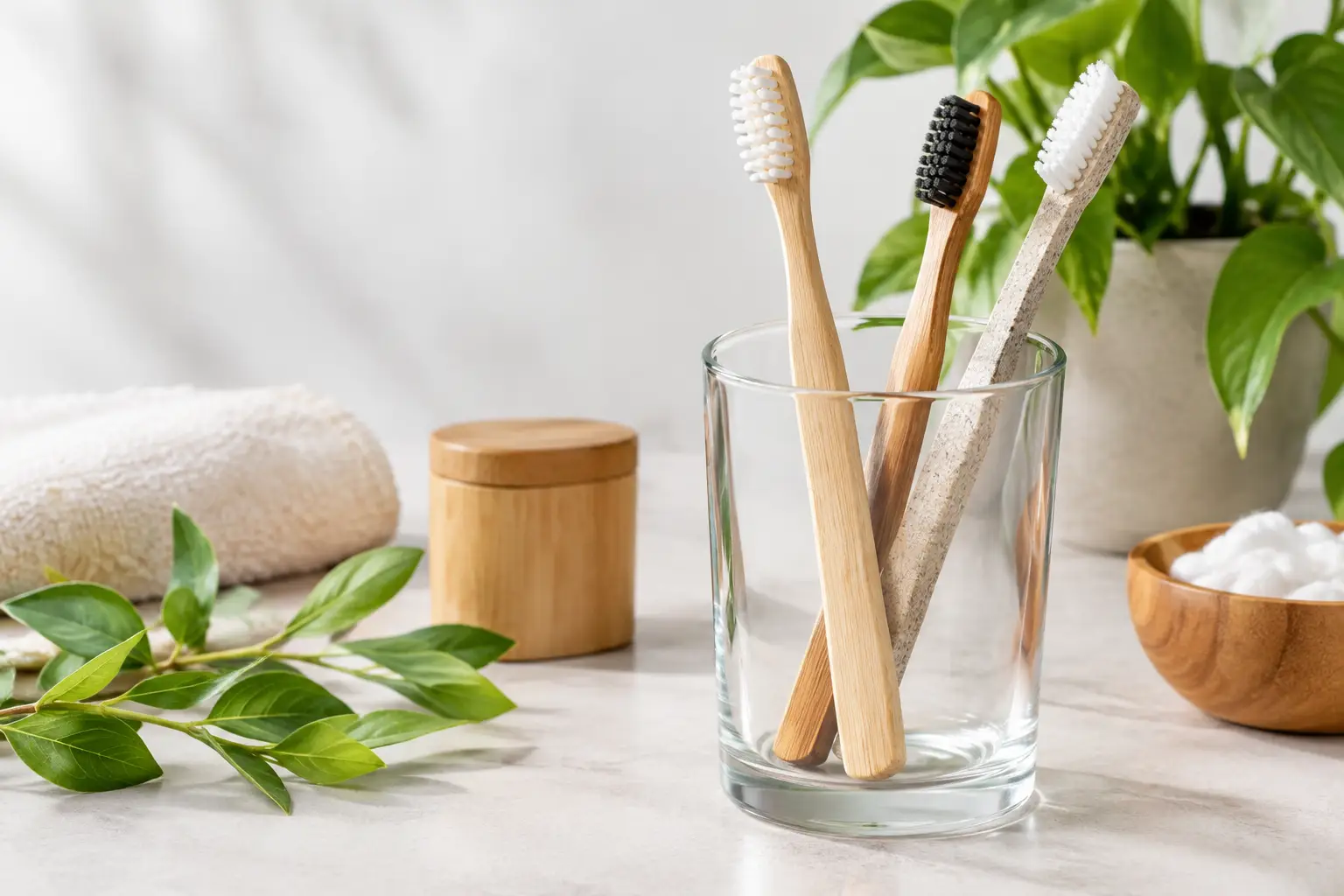
Bamboo is popular because it grows quickly and gives a toothbrush a clean, natural finish. A bamboo handle is lightweight, comfortable to hold and looks far more considered than a bright plastic brush left by the sink. For design-conscious bathrooms, it is a practical material choice that also happens to look good.
Unlike a plastic handle, untreated bamboo is plant-based and may break down more readily under suitable composting conditions. However, it is best not to assume that the entire toothbrush can go straight into a home compost bin. Coatings, coloured details and bristles can affect what a local composting facility accepts. Always check local guidance before disposal.
Bamboo also needs a little care to stay looking its best. Rinse your brush after use, shake off excess water and store it upright where air can circulate. Avoid leaving it in a puddle or sealed travel case while damp. These small habits help the handle stay fresh throughout its recommended replacement period.
Is bamboo always better than plastic?
For a manual toothbrush handle, bamboo is often a meaningful reduction in everyday plastic use. But the right answer depends on how the brush is made, how long you use it and what happens after replacement. A bamboo brush that is kept dry and used for the full recommended period makes more sense than one that is discarded early because it was stored poorly.
It also depends on your routine. If you prefer the timed guidance and cleaning modes of an electric toothbrush, forcing yourself into a manual option you will not use consistently is not necessarily the better choice. Sustainable oral care should support better brushing habits, not turn them into a chore.
Bristles matter as much as the handle
The bristles do the cleaning, so they must be effective, gentle and hygienic. Most toothbrush bristles, including those on many bamboo brushes, are made from nylon or another durable synthetic fibre. This is not a hidden failure of eco design. It is a trade-off: a plant-based handle can reduce plastic, while synthetic bristles provide the softness, resilience and cleaning performance needed for daily use.
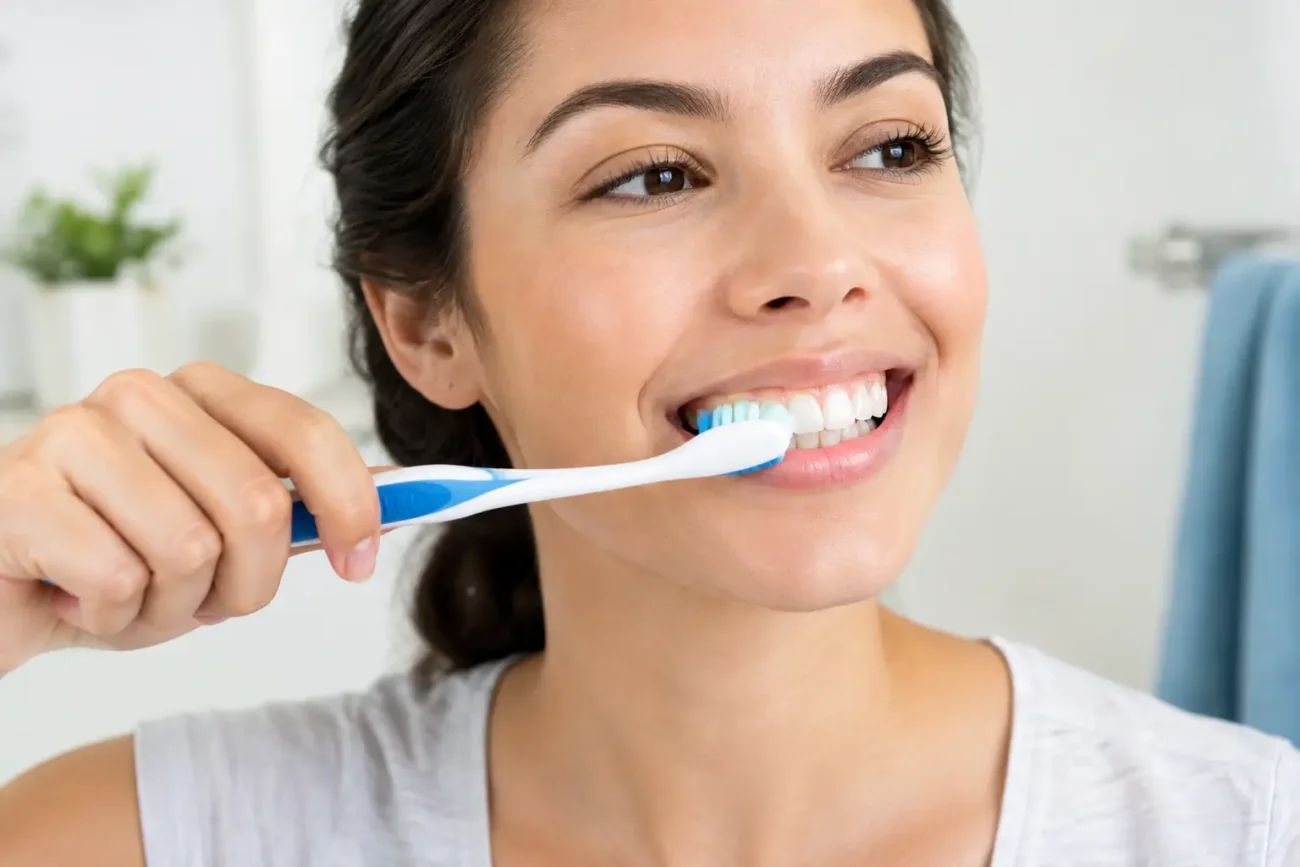
Soft bristles are a sensible choice for most people. They flex around teeth and along the gumline without the harsh scrubbing that can irritate gums or wear enamel over time. Good brushing is about angle, coverage and consistency, not aggressive pressure.
Charcoal-infused bristles are another popular feature. They offer a distinctive dark finish that pairs neatly with bamboo and suits a modern, pared-back bathroom. They should still be treated like any other brush head: rinse thoroughly, allow to dry and replace when bristles begin to splay or after around three months.
When it is time to dispose of a manual bamboo brush, pull out the bristles where practical before composting or disposing of the handle according to local rules. A pair of pliers can make this easier. It is a small extra step, but it recognises that mixed materials need different end-of-life routes.
Electric toothbrush materials: less disposable, not zero-impact
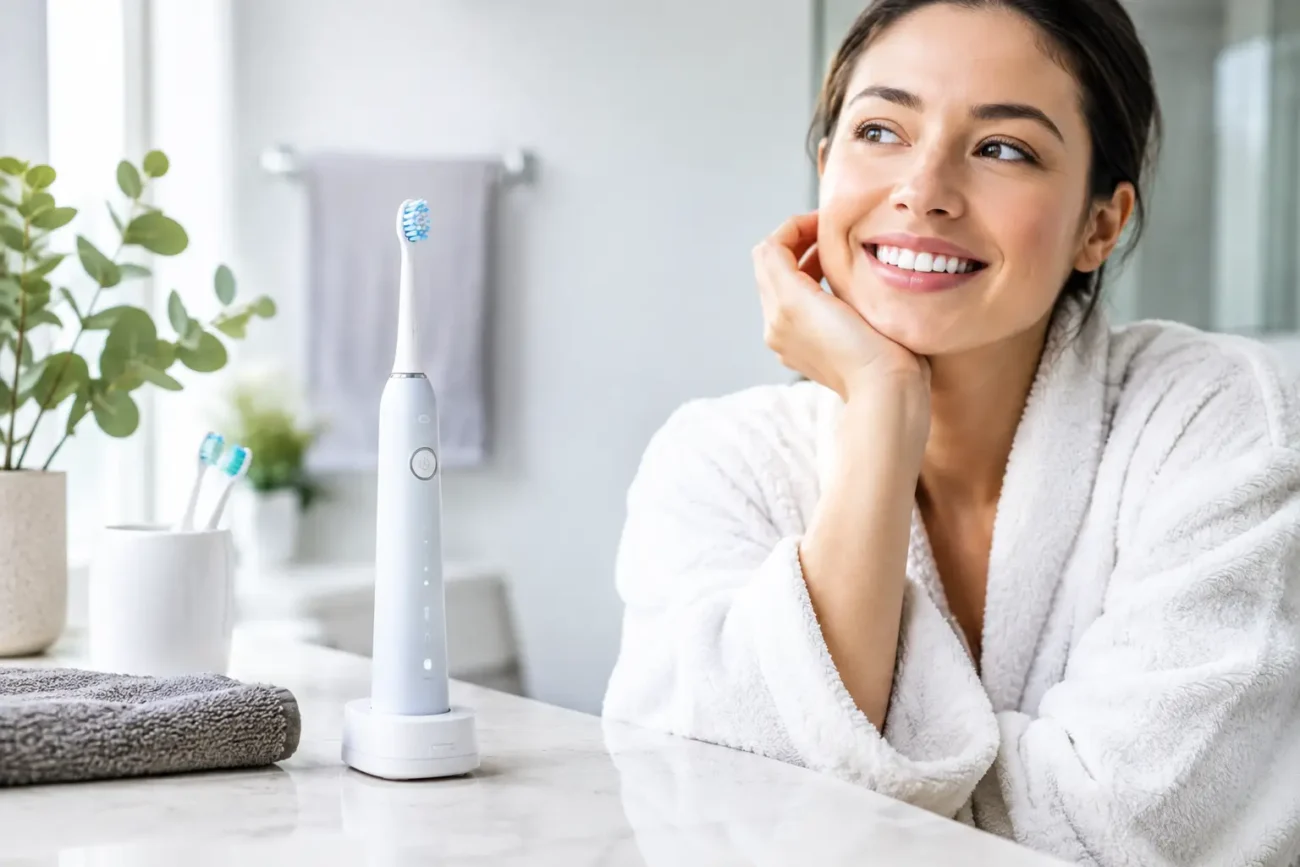
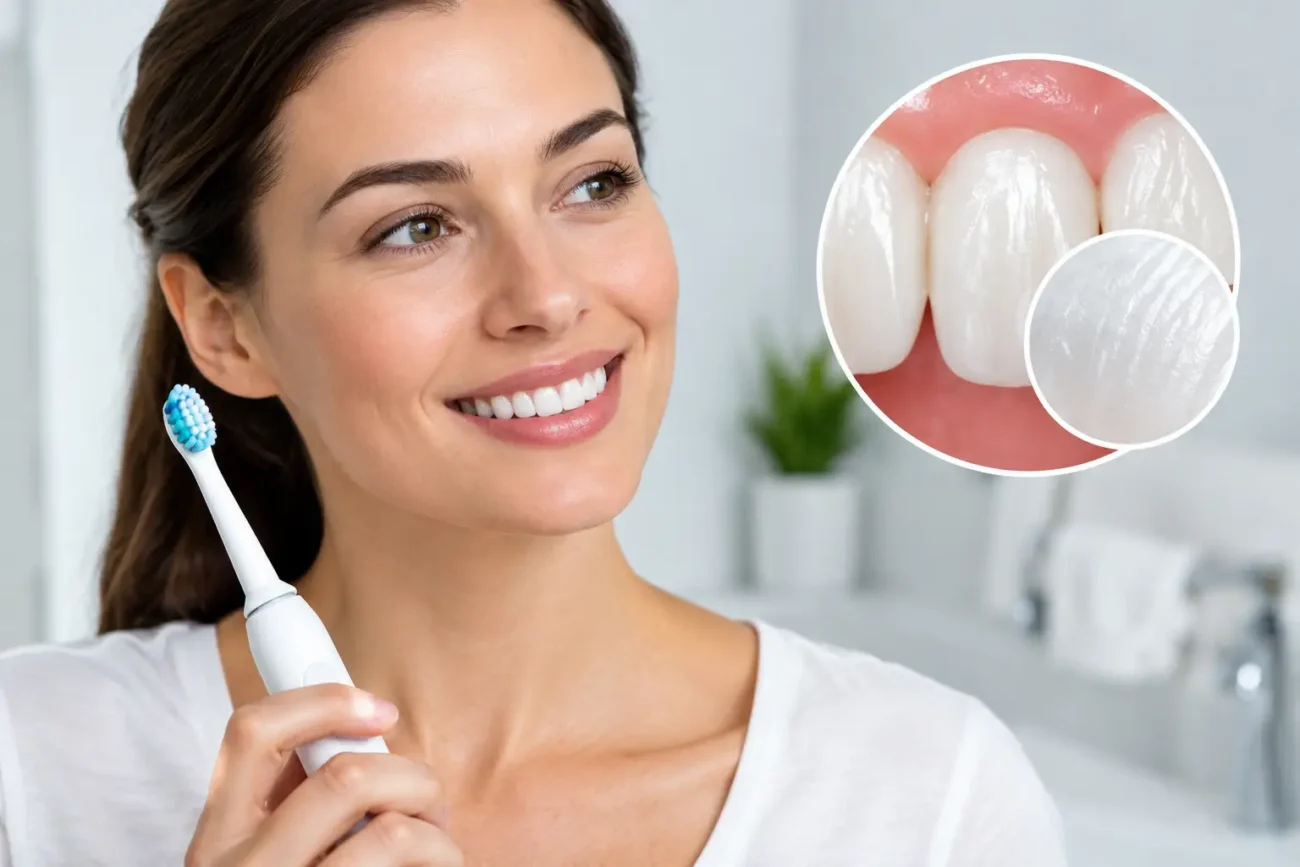
Rechargeable bamboo electric toothbrushes offer a different approach to reducing waste. Their handles contain electronics, a motor and rechargeable battery, so they cannot be composted or put in ordinary household waste. Their advantage is longevity: a well-made handle can remain part of your routine while only the brush head is replaced.
This is where durability becomes an environmental feature. A compact electric handle with dependable charging, useful cleaning modes and a long battery life is built to be used day after day, not replaced on impulse. It can also make thorough brushing easier for people who benefit from a timer or consistent motion.
Replacement brush heads are essential, not an afterthought. They let you renew the part that contacts your teeth and gums without throwing away the full device. Before buying, check that replacement heads are readily available and straightforward to attach. A sustainable product is only useful if it remains usable after the first few months.
At the end of an electric toothbrush handle’s life, take it to an appropriate electronics or battery recycling point. Never place rechargeable batteries in general waste. The brush heads themselves may still contain plastic components, so check whether your council or a specialist scheme can accept them.
MAXDENT pairs bamboo styling with rechargeable electric brush convenience, helping make the lower-plastic choice feel like an everyday upgrade rather than a compromise.
Look for safe, comfortable material choices
Material claims should translate into real use. BPA-free components can offer reassurance where plastics are needed, while vegan product design avoids animal-derived materials. Neither claim automatically makes a toothbrush zero-waste, but both can be part of a more thoughtful product specification.
Comfort matters too. A handle should be easy to control when wet, and the brush head should feel gentle rather than scratchy. Adults and teenagers often need the same fundamentals: soft bristles, reliable cleaning and a brush they are happy to use twice a day. A good-looking toothbrush earns its place on the counter; a comfortable one earns its place in the routine.
Packaging is another useful detail to consider. Paper-based packaging with minimal plastic is preferable where possible, particularly for multi-packs and replacement heads. Buying several manual brushes at once can also reduce repeat deliveries and ensures there is always a fresh brush ready when the old one reaches the end of its useful life.
Choosing the right option for your bathroom
A manual bamboo toothbrush is a strong fit if you want a simple, lightweight brush and a clear way to reduce plastic in your everyday routine. Choose soft bristles and keep it dry between uses. It is uncomplicated, attractive and easy to share across a household.
A rechargeable bamboo electric toothbrush may suit you better if you want timed brushing, multiple cleaning modes or a more guided clean. It involves electronics, so responsible recycling is necessary, but the reusable handle and replaceable heads can make it a sensible long-term choice.
Whichever style you choose, avoid treating an eco toothbrush as a decorative object. Replace the brush or head when the bristles lose their shape, clean it properly and use gentle pressure. The most sustainable toothbrush is one that supports healthy habits for its full working life, then leaves as little unnecessary waste behind as possible.
Choose materials with clear eyes rather than perfect-expectation marketing. A natural bamboo handle, soft durable bristles and a long-lasting rechargeable design can each move your routine in a better direction. Small decisions by the sink, repeated every morning and night, are where a lower-waste bathroom begins.
Add a review
Your email address will not be published. Required fields are marked *