
Best Toothbrushes for Braces and How to Choose
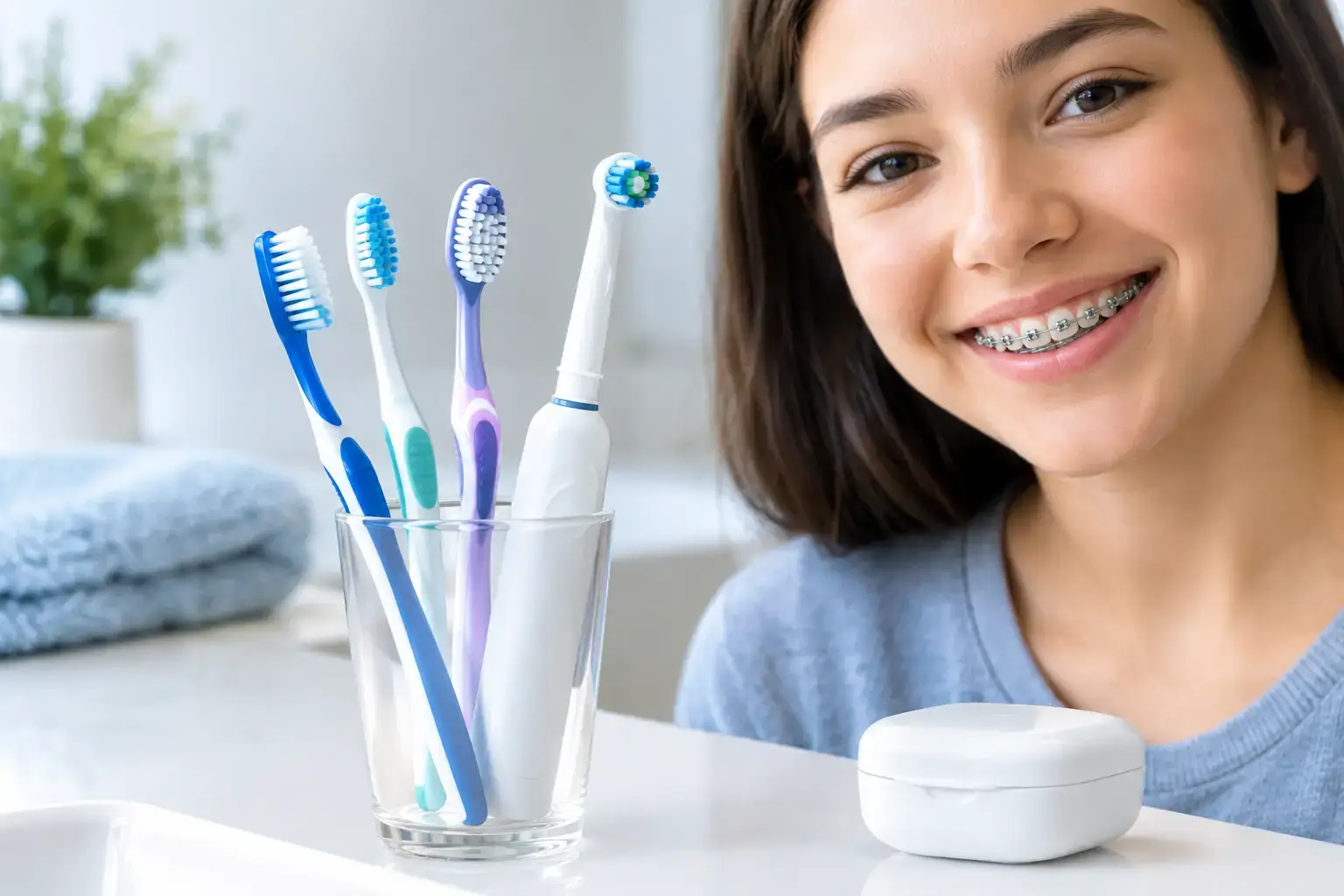
Food catches where it never used to. A small piece of spinach can sit behind a wire, plaque can gather around brackets, and brushing quickly can leave the gumline feeling less than fresh. The best toothbrushes for braces make this daily routine more precise without making it harsh. The right choice should feel comfortable in your hand, gentle on your gums, and capable of reaching the edges around every bracket.
Braces create more surfaces to clean, but they do not require an aggressive brush. In fact, pressing too hard can irritate tender gums and wear bristles flat before they have done their job. A soft-bristled manual or rechargeable electric toothbrush is usually the sensible starting point, paired with a consistent technique and the advice of your orthodontist.
What makes a toothbrush good for braces?
A toothbrush for braces needs to clean around brackets, wires and the gumline while staying kind to enamel and soft tissue. The best design is not necessarily the one with the most features. It is the one you will use carefully, twice a day, for long enough to reach every area.
Soft bristles are the priority. They can flex around the hardware rather than scraping at it, helping you clean along the tops and bottoms of brackets without discomfort. Medium and hard bristles may feel powerful, but force is not the same as effective cleaning. With braces, a controlled angle and patient brushing matter more.
A compact brush head is also useful. Smaller heads can be easier to move around the back teeth and along individual brackets, especially for teenagers or anyone with a smaller mouth. Look for bristles that keep their shape and an easy-grip handle that gives you control when brushing at different angles.
For design-conscious homes, material matters too. A bamboo handle brings a calm, natural look to the bathroom while reducing reliance on a fully plastic manual toothbrush. It is a practical daily swap, not a compromise in comfort. Just remember that bristles and any packaging should be checked separately for disposal guidance, as not every component will break down in the same way.
Best toothbrushes for braces: manual or electric?
Both options can work very well. The better choice depends on your brushing habits, budget and how much support you want from the brush itself.
Soft bamboo manual toothbrushes
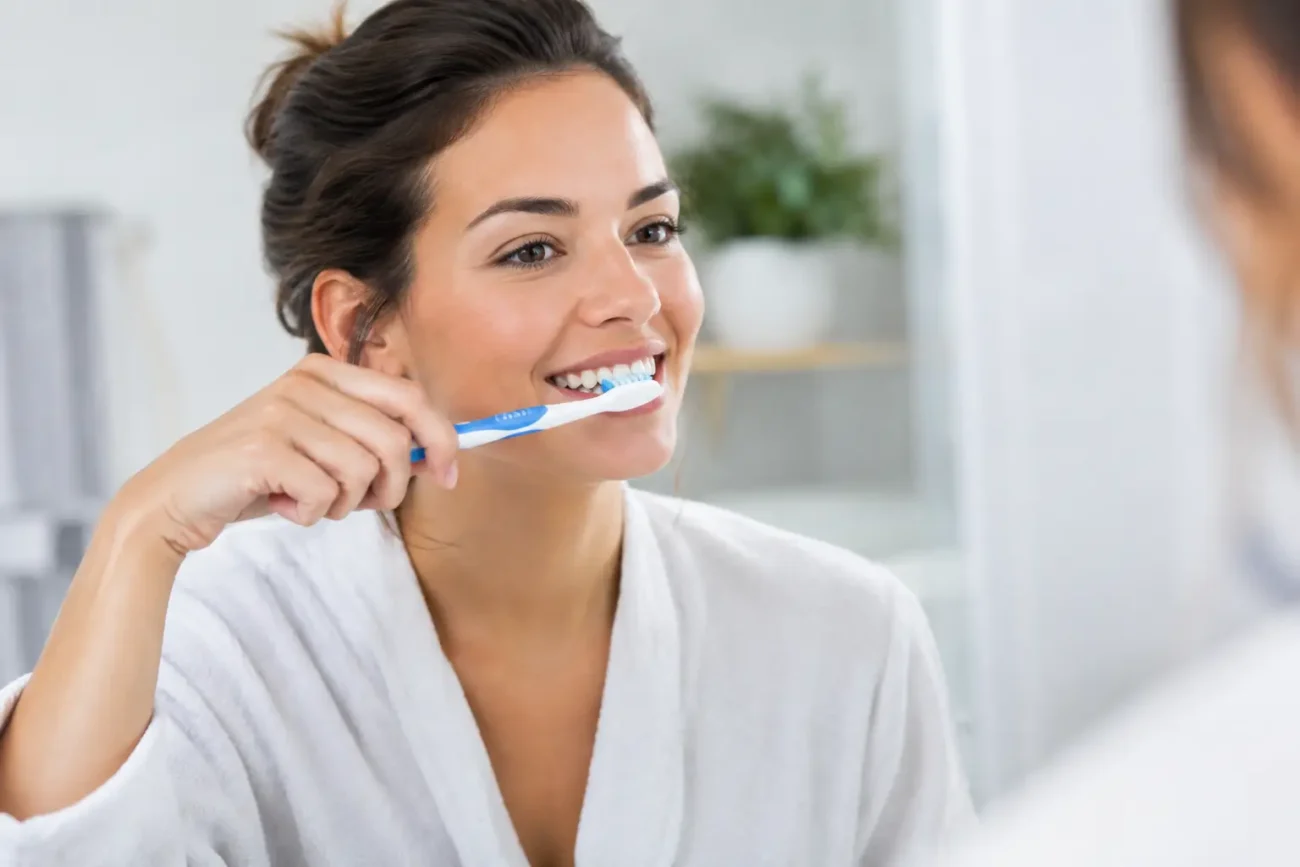
A soft manual toothbrush is simple, lightweight and easy to take anywhere. It gives you complete control over pressure and brush angle, which can be especially helpful during the first days after an adjustment, when teeth and gums may feel sensitive. A bamboo handle also looks refined on the counter and is a lower-plastic alternative for your everyday routine.
Manual brushing does ask more of your technique. You need to take the time to clean above the wire, below the wire, around each bracket and at the gumline. If you tend to rush, it is easy to miss the same spots repeatedly. Choosing a multipack can help you replace the brush regularly without waiting until the bristles look worn.
A manual brush is a strong option if you are confident with your routine, travelling often, or simply prefer a quiet, no-fuss approach. Choose soft bristles, a compact head and a handle that does not slip when wet.
Rechargeable electric toothbrushes
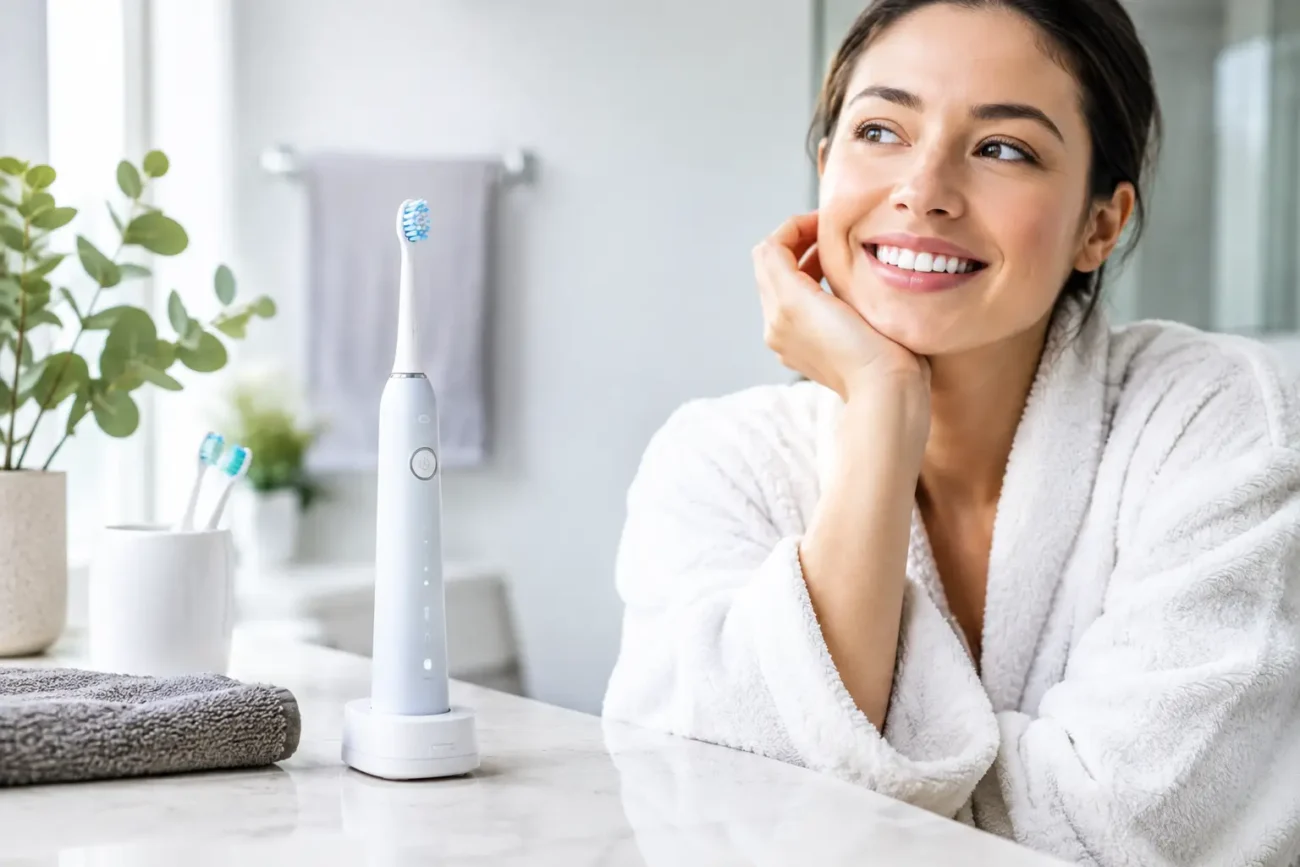
A rechargeable electric toothbrush can make braces care feel more consistent. The powered movement does much of the repetitive brushing motion for you, so you can focus on guiding the head slowly around wires and brackets. For people who find their two-minute routine drifts into a hurried 40 seconds, a built-in timer can be genuinely useful.
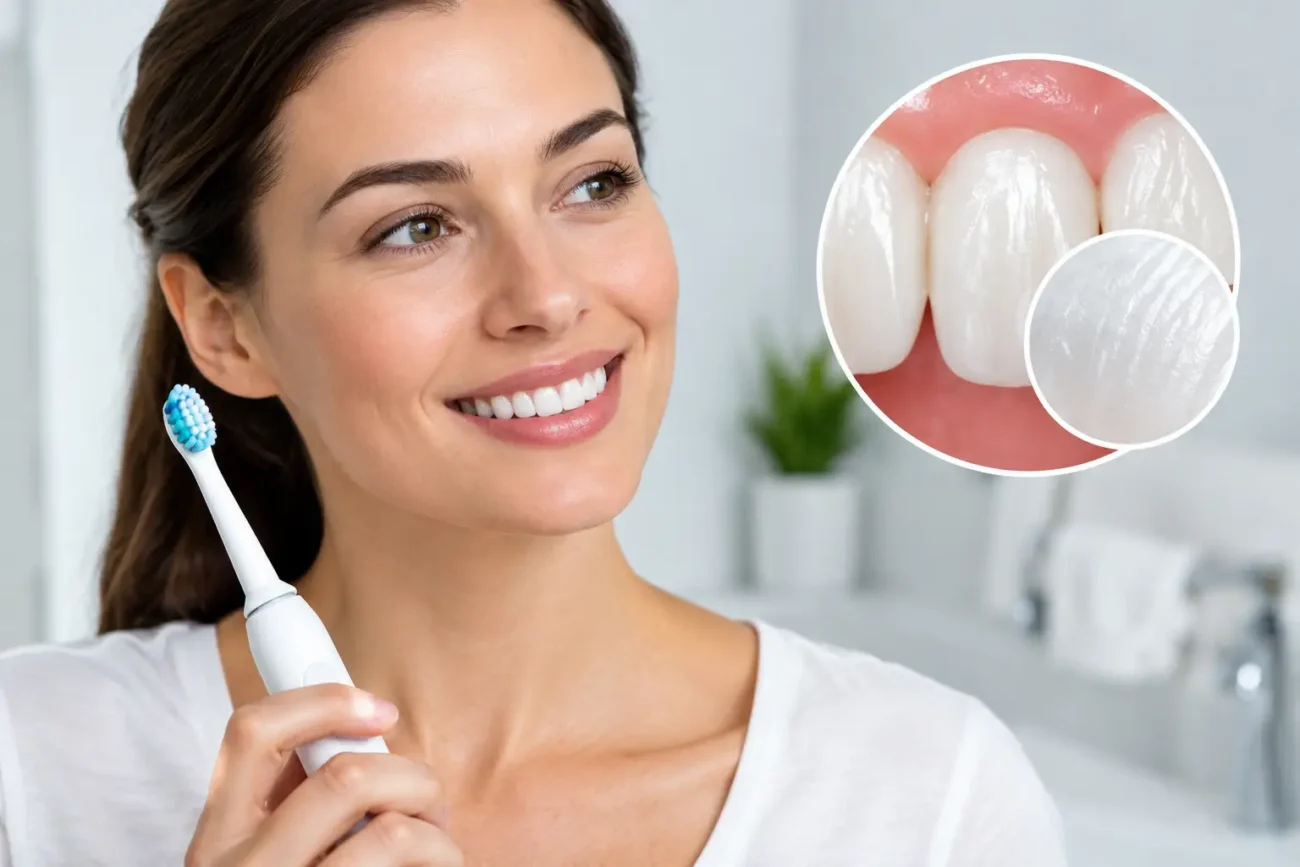
Electric brushing is not automatically better if the technique is careless. Do not scrub the brush head back and forth across brackets. Instead, rest the bristles gently against the tooth and gumline, then guide the brush along each section. A brush with soft replacement heads, comfortable handling and a battery that lasts between charges is often all you need.
Rechargeable designs can reduce the flow of disposable battery waste, and replacement-head systems mean you keep the main handle for longer. This is where an electric bamboo toothbrush can feel like a considered upgrade: practical cleaning technology in a more natural-looking form. MAXDENT’s rechargeable bamboo electric toothbrushes are designed around that balance of soft-bristle comfort, everyday performance and a cleaner countertop aesthetic.
Features worth choosing – and ones you can skip
When comparing toothbrushes for braces, start with the essentials rather than being distracted by a long feature list. Soft bristles, a manageable head size and readily available replacement heads will usually make a bigger difference than multiple specialist modes.
Pressure feedback can be useful if you know you brush too firmly. Sore gums, frayed bristles and sensitivity are often signs to ease up. A timer is another helpful feature, particularly when brushing all four sections of the mouth carefully. Two minutes is a useful baseline, although braces may mean you need a little longer to clean thoroughly.
Special orthodontic brush heads, often shaped with a dipped centre row, can suit some people. They are designed to sit around brackets, but they are not essential for everyone. A standard soft, compact head can still clean effectively when you angle it correctly. If your orthodontist has recommended a particular head shape, follow that advice over any general recommendation.
Avoid choosing a brush based on firmness or speed alone. Braces already create friction points in the mouth. The goal is reliable, gentle cleaning, not the most intense sensation.
How to brush braces properly
The best brush cannot compensate for a rushed technique. Start by rinsing your mouth with water to loosen loose food debris. Then place the bristles at a 45-degree angle towards the gumline and use small, gentle movements across the front surfaces of your teeth.
Next, angle the brush downwards to clean above the brackets and upwards to clean below them. Work tooth by tooth rather than sweeping quickly across the whole row. Pay close attention to the areas beside each bracket, where plaque can sit unnoticed, and do not forget the chewing surfaces and the inside of your teeth.
With an electric brush, guide rather than scrub. Let the brush head pause briefly on each tooth, changing the angle around the brackets and wire. With a manual brush, use short strokes and light pressure. If brushing feels painful beyond ordinary post-adjustment tenderness, speak with your orthodontist or dentist.
Finish by cleaning your tongue gently, then use the interdental cleaning method recommended for you. Interdental brushes are particularly useful for reaching under wires, while floss threaders or orthodontic floss can clean between teeth. A toothbrush is central to braces care, but it is only one part of the routine.
When should you replace a braces toothbrush?
Replace your toothbrush or electric brush head about every three months, or sooner if the bristles splay, flatten or become rough. Braces can make bristles wear more quickly because they repeatedly contact metal or ceramic brackets. A brush that has lost its shape cannot reach as accurately and may encourage you to press harder.
After an illness, replacing your brush head can also offer peace of mind. Keep the brush upright to air dry and avoid storing it in a closed, damp container at home. If you are packing for a weekend away or a holiday, use a breathable travel cover and let the brush dry before closing it away.
A better daily routine starts with comfort
The most effective toothbrush for braces is one that makes careful brushing easy to repeat. A soft bamboo manual brush suits those who want simple control and less plastic in their routine. A rechargeable electric option suits anyone who values timers, powered cleaning and long-term convenience. Neither choice needs to look clinical or feel complicated.
Choose a brush that is gentle enough to use patiently, practical enough to maintain, and pleasant enough to leave within reach. When your toothbrush feels good in your hand and fits naturally into your day, giving every bracket the attention it needs becomes far more achievable.
Add a review
Your email address will not be published. Required fields are marked *