
Electric Toothbrush Safety for Everyday Smiles
A cleaner-feeling smile should not come at the cost of sore gums, worn enamel or a cluttered bathroom full of disposable plastic. Electric toothbrush safety is mostly about the small habits that happen twice a day: using light pressure, keeping the brush head clean and charging the handle with care. Get those right, and an electric brush can be a comfortable, reliable part of a lower-waste routine.
Electric toothbrush safety starts with technique
An electric toothbrush provides the movement. Your job is to guide it slowly, not scrub with it. This is the adjustment many first-time users need to make, especially if they are used to vigorous manual brushing.
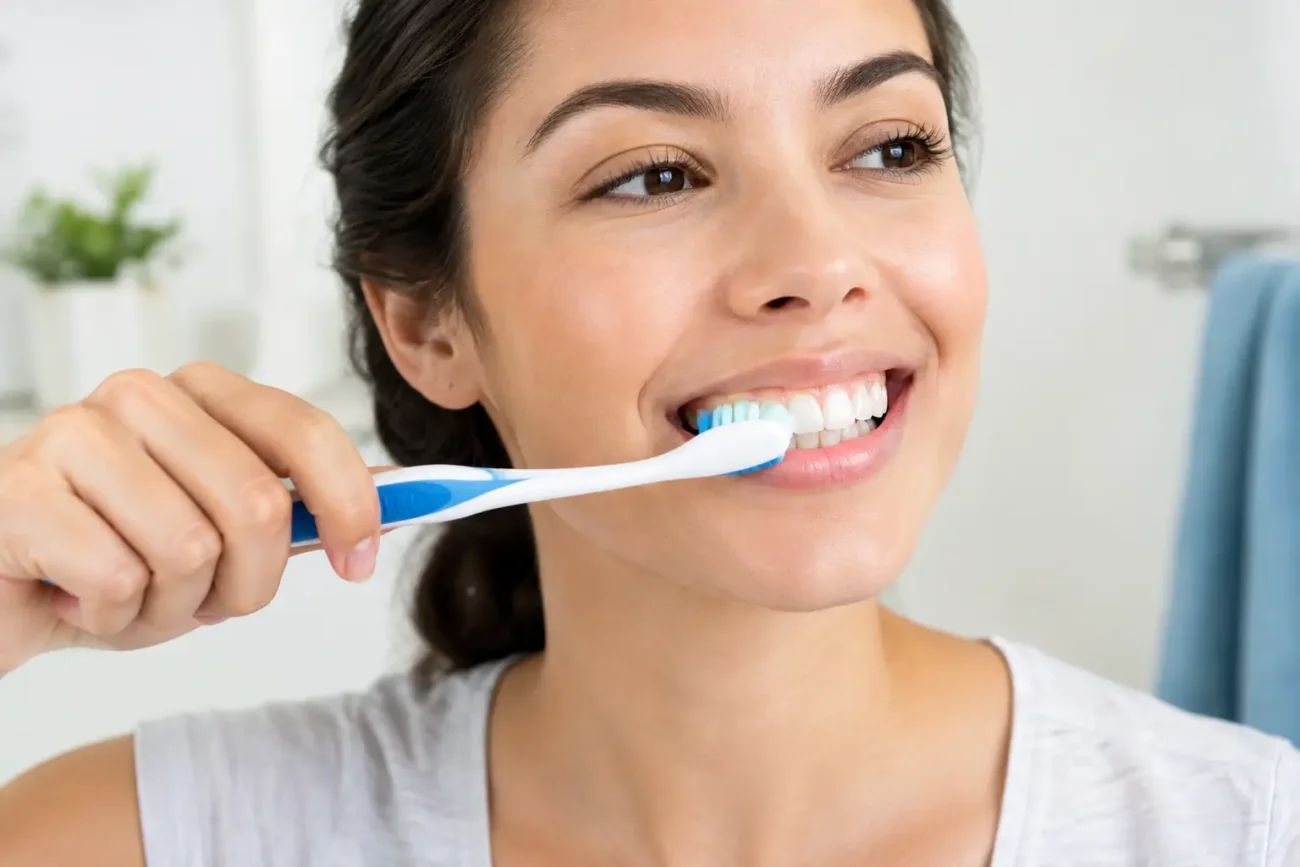
Apply a pea-sized amount of fluoride toothpaste, place the bristles against your teeth before switching the brush on, then move methodically from tooth to tooth. Hold the bristles at the gumline rather than pressing them hard into it. Spend time on the outer, inner and chewing surfaces, letting the brush do its work for the full two minutes.
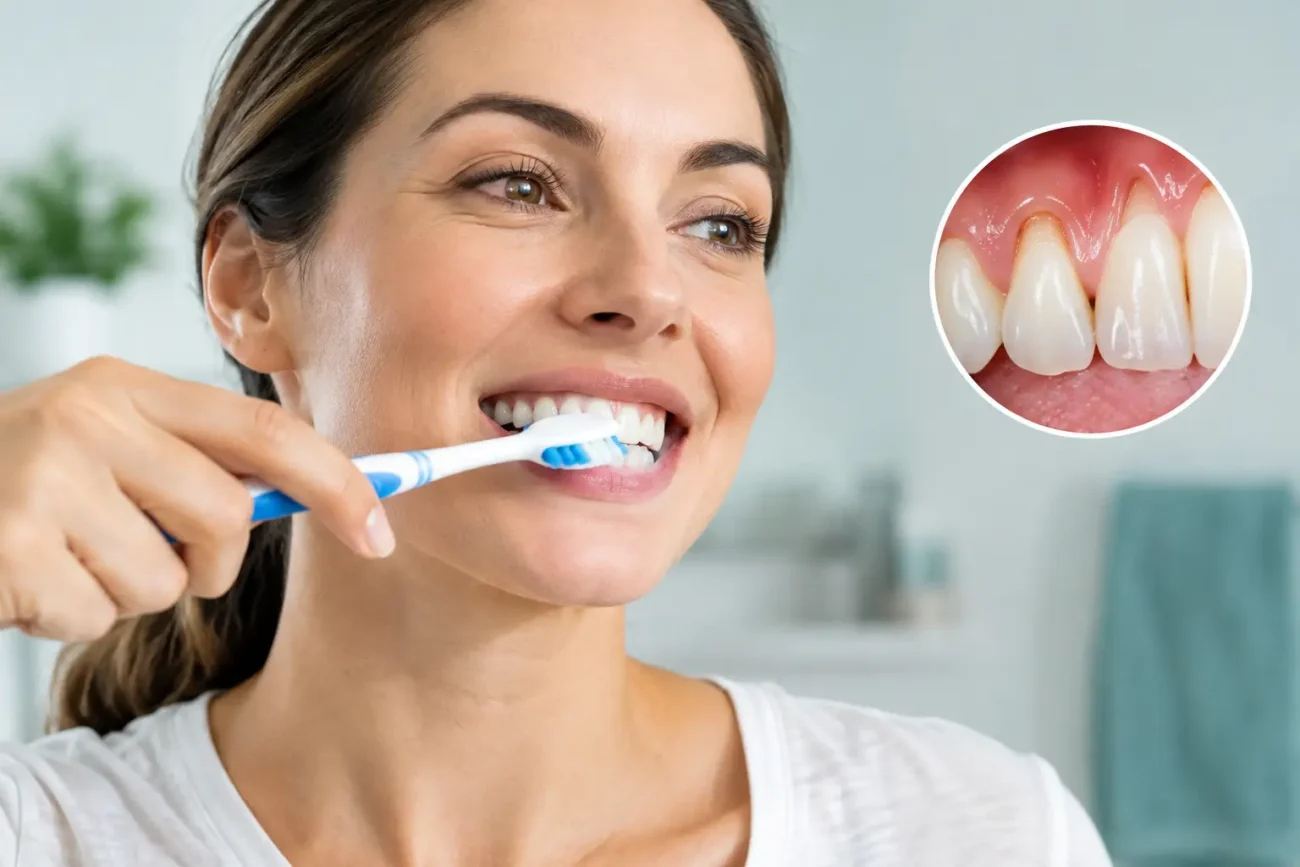
Pressure is the most common safety issue. Pushing too firmly can make gums feel tender and may contribute to gum recession or enamel wear over time. Soft bristles are designed to flex around teeth and along the gumline. When they are flattened against the tooth, they cannot clean as effectively and the experience becomes harsher than it needs to be.
If your handle has a pressure alert, treat it as useful feedback rather than an optional feature. If it does not, watch the bristles in the mirror for a few days. A lightly held brush should glide. Your gums should not bleed repeatedly, sting or feel scraped after brushing. Occasional bleeding can happen when gums are inflamed, but persistent bleeding deserves a conversation with a dentist or hygienist, not more pressure.
Choose the setting that suits your mouth
A high-powered mode is not automatically a better choice. Sensitive teeth, tender gums, recent dental treatment and orthodontic appliances can all call for a gentler setting. Start with the lowest comfortable mode for a week, then decide whether you need more intensity.
There is a trade-off here. A softer setting may feel less dramatic than a strong vibration, but thorough coverage and consistent timing matter more than intensity. If you have veneers, crowns, implants, braces or active gum concerns, follow the advice given by your dental professional for your particular treatment.
Keep brush heads clean and fresh
A brush head is a daily-use item, not a permanent attachment. Rinse it thoroughly after each use, shake off excess water and store it upright where air can circulate. A closed travel cap is useful when travelling, but leaving a wet head covered at home can trap moisture.
Replace the head when the bristles begin to splay, fade if they have indicator bristles, or at the interval recommended by the manufacturer. For many brush heads, that is around every three months. Replace it sooner after an illness, if it has been dropped somewhere unhygienic, or if the bristles look misshapen. Frayed bristles are less precise at the gumline and can feel rougher.
Do not share brush heads, even within the same household. An interchangeable-head system makes it easy for each person to have their own head while sharing a compatible handle only where the product instructions allow it. For families, keeping heads clearly identified avoids mix-ups during busy mornings.
Your storage spot matters too. Keep the brush away from the toilet and give it room to dry. Wipe the handle connection and the base of the head with a clean, dry cloth if toothpaste residue collects there. This simple bit of care helps the attachment stay secure and keeps the brush looking as considered as the rest of your bathroom.
Care for bamboo with a dry finish
Bamboo brings warmth and a natural, minimalist look to an electric toothbrush, but it still benefits from sensible care. Do not leave a bamboo handle sitting in pooled water or soaking in a tumbler. After brushing, rinse only as directed for your model and dry the handle before placing it on its charging base.
Natural materials can develop surface changes if they stay wet for long periods. A well-ventilated holder, rather than a damp corner of the sink, helps maintain the handle’s finish. This is not extra fuss – it is a small routine that supports long-term use and reduces the need to replace products before their time.
Charge safely, without overthinking it
Rechargeable convenience can reduce reliance on disposable battery products, but the charging area deserves a little attention. Use the charger and cable supplied or specified for your toothbrush. A random plug, lead or charging dock may not provide the correct fit or power requirements, even if it appears to connect.
Keep the charger on a stable, dry surface away from the basin’s splash zone. Dry your hands before connecting or disconnecting it, and never handle the plug with wet hands. The handle may be designed for use around water, but its charging components should not be treated as waterproof unless the manufacturer explicitly says so.
Follow the stated charging guidance for your model. Some modern rechargeable brushes are designed to remain on their stand, while others are best charged periodically. There is no benefit in guessing. The product instructions are the right source for battery care, charging time and compatible power supplies.
Stop using the charging set and arrange support if you notice any of these signs:
- a cracked handle, base, cable or plug
- unusual heat, a burning smell or discolouration while charging
- water inside a charging connection
- a battery that drains dramatically faster than normal
Never attempt to open the handle or repair a damaged cable yourself. Electrical components and moisture are not a home repair project. Protecting the charger from splashes and checking it occasionally takes seconds, yet it is one of the most meaningful parts of safe ownership.
Make electric brushing comfortable for teens and adults
Electric brushes can be suitable for adults and teenagers, provided the user can brush safely and follow the charging guidance. For a teenager getting their first rechargeable toothbrush, demonstrate the light-touch technique rather than simply handing over the handle. A two-minute timer and a gentle mode can make a good routine easier to build.
People with reduced grip strength may find an electric handle more comfortable than a narrow manual brush. The best choice depends on balance, handle size and how easy the button is to operate. If mobility, sensory needs or a medical condition affects brushing, a dentist or occupational therapist can offer more individual guidance.
Children need closer supervision, and age recommendations vary by product. They should not play with the charger, chew the brush head or use an adult electric toothbrush unless it is appropriate for their age and ability. Keep toothpaste amounts age-appropriate and encourage them to spit rather than swallow it.
When to pause and ask a dental professional
An electric toothbrush should leave your mouth feeling clean, not painful. Pause the new routine and seek dental advice if brushing causes sharp pain, repeated bleeding, swelling, loose teeth or lasting sensitivity. The brush may not be the underlying problem, but it can make an existing issue more noticeable.
The same applies if you have just had oral surgery or a procedure with specific aftercare instructions. Your clinician may suggest a soft manual brush for a short period, a particular technique or avoiding an area while it heals. Follow that advice over any general brushing rule.
For most people, electric toothbrush safety is refreshingly uncomplicated: use soft bristles, keep pressure light, replace the head on time and treat the charger with the same care you would give any bathroom electrical item. A rechargeable bamboo electric toothbrush, such as a MAXDENT model, can make that everyday ritual feel more refined while keeping practical comfort at the centre.
A toothbrush is one of the few objects you use without fail, morning and night. Give it a dry place to rest, a fresh head when it needs one and a gentle hand, and it can support a smile that feels good as well as a bathroom routine that looks beautifully simple.
Add a review
Your email address will not be published. Required fields are marked *