
Electric Toothbrush for Teenagers That Fits
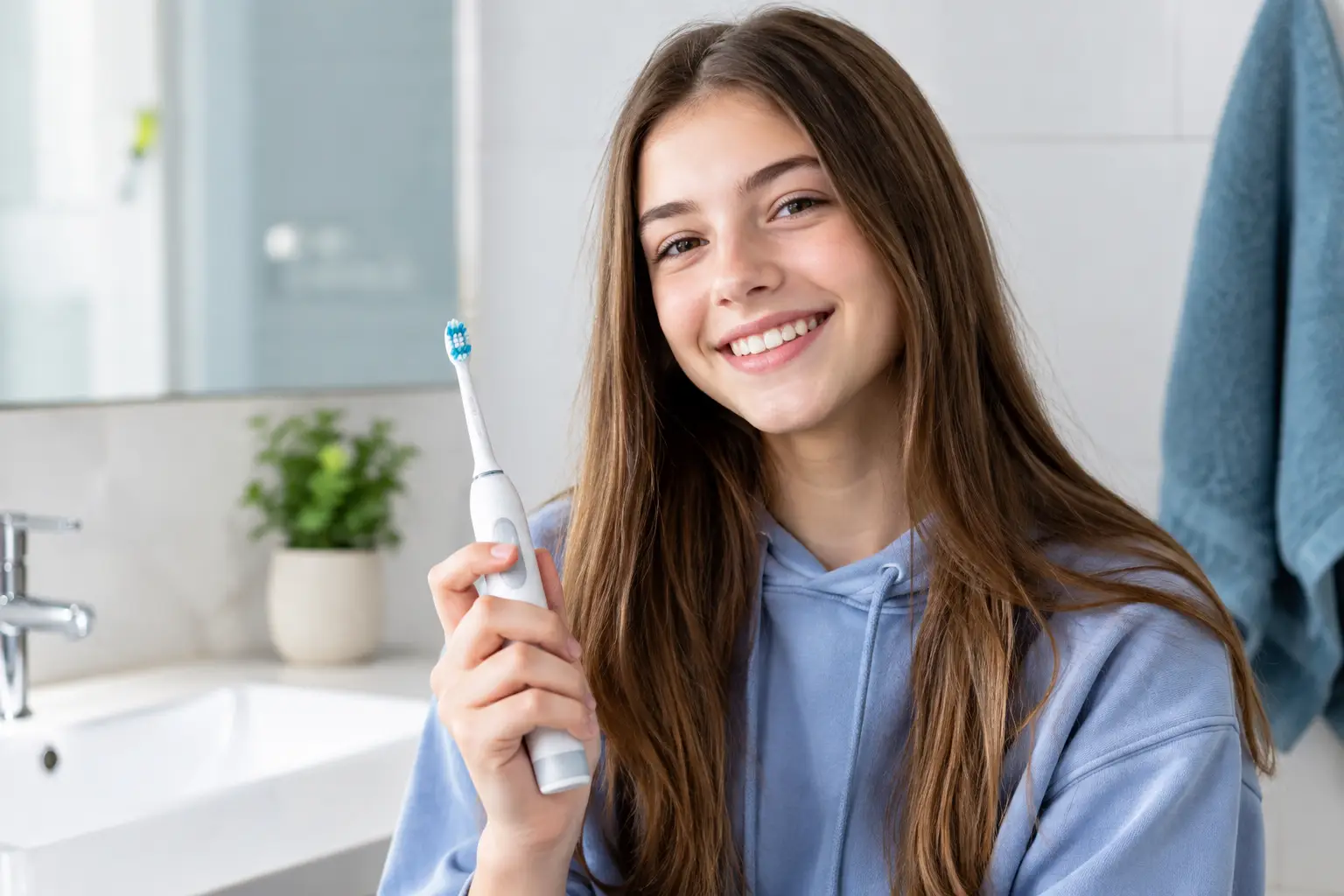
A teenager may be perfectly happy to spend time choosing trainers, headphones or a phone case, then rush their teeth in less than a minute. An electric toothbrush for teenagers makes that everyday moment easier to get right. It adds a consistent brushing action, a built-in sense of routine and, with the right design, a more considered alternative to another disposable plastic item on the bathroom shelf.
The best choice is not necessarily the brush with the most settings or the flashiest app. For most teens, comfort, a manageable handle, soft bristles and reliable charging matter far more. A brush they enjoy using twice a day is the one that can support better habits for years to come.
Why electric brushing can suit teenage routines
Teenage years often bring more independence, more busy mornings and more reasons to care about a confident smile. Braces, retainers, sports, sugary drinks and irregular routines can all make daily oral care feel less straightforward. An electric brush does not replace good technique or dental advice, but it can make thorough brushing feel more achievable.
The small, repeated movements of an electric brush head help take some of the effort out of cleaning. That can be useful for teenagers who press too hard with a manual brush, skim over back teeth or stop before the recommended two minutes are up. A timer is a quietly valuable feature here. It turns brushing from a vague task into a clear finish line.
There is also the practical appeal. A rechargeable brush stays ready by the sink rather than relying on a stream of disposable batteries. A slim, natural-looking bamboo handle can feel less clinical than a bulky plastic device, particularly in a shared bathroom where every item is on display.
What to look for in an electric toothbrush for teenagers
A good teenage toothbrush should feel simple from the first use. More modes are not automatically better if they make the handle confusing. Look for the features that improve everyday brushing rather than adding unnecessary decisions.
Soft bristles come first
Teenagers do not need harsh bristles to achieve a clean feeling. Soft bristles are generally the more comfortable option for gums and enamel when used with gentle pressure. They are especially welcome around braces, along the gumline and for anyone who has a tendency to scrub.
The aim is to guide the brush slowly from tooth to tooth, not to force it against the teeth. If gums feel sore, bleed regularly or teeth feel sensitive, it is worth speaking with a dentist or hygienist. A new brush alone cannot solve every oral-health concern.
A two-minute timer builds consistency
Many people underestimate how long two minutes feels when they are standing at the basin. A built-in timer removes the guesswork. Some brushes also pause at intervals, helping the user move through each section of the mouth without leaving the back teeth until last and then running out of patience.
This feature is particularly helpful for a teenager starting to manage their own routine. It is guidance without a parent needing to stand outside the bathroom door with a stopwatch.
Rechargeable power should be low-fuss
Battery life shapes whether an electric brush remains useful after the novelty wears off. A rechargeable model with long-lasting power is easier to keep in rotation, whether it lives at home, in a school bag after sport or in a wash bag for a weekend away.
Charging is still a habit to establish. Choose a brush with a straightforward charging set-up and encourage a regular top-up rather than waiting until it stops mid-brush. If a teen travels frequently, consider where the charger will live and whether the handle is compact enough to pack easily.
The handle needs to feel right
A toothbrush can have excellent cleaning modes and still be a poor fit if it is heavy, slippery or oversized. Teenagers tend to use products that feel personal and easy to handle, so a lightweight, balanced design is more than a cosmetic detail.
Bamboo adds a warm, minimalist finish that stands apart from conventional glossy plastic. It can make an electric toothbrush feel like a deliberate part of a calmer bathroom routine. For sustainability-minded households, that material choice also helps reduce dependence on all-plastic handles, while retaining rechargeable convenience.
Sustainable choices without the guilt trip
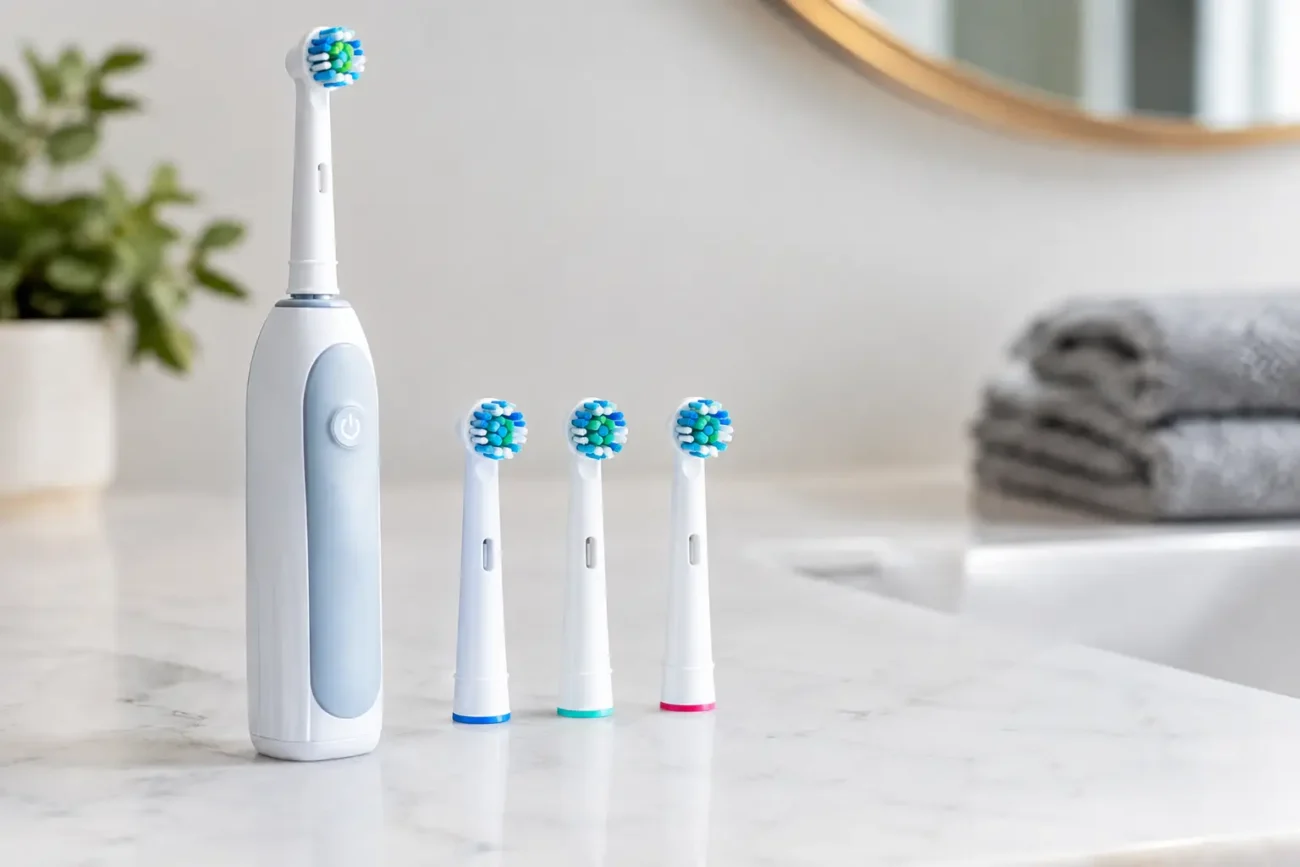
Oral care creates waste because it is a routine of replacements. A toothbrush head should be changed when its bristles become worn, typically around every three months, or sooner after illness or noticeable fraying. Keeping the same rechargeable handle while replacing only the head can be a more considered approach than replacing an entire brush repeatedly.
The environmental benefit depends on the product’s materials, packaging and how long the handle is actually used. Bamboo is a practical alternative to a fully plastic exterior, but no toothbrush is impact-free. The most useful choice is one that lasts, has replacement heads available and encourages a routine the teenager will keep.
That is why style has a role. A well-made brush in a natural material is more likely to stay on the counter and in use than an awkward device shoved into a drawer. Sustainable design works best when it is also convenient, comfortable and attractive.
Braces, retainers and sensitive gums
An electric toothbrush can be a helpful companion for teenagers with orthodontic appliances, but the brush head should be used patiently. Hold it at each tooth and around brackets rather than sweeping quickly across the mouth. Take extra care near the gumline, where plaque can collect, and follow any cleaning guidance provided by the orthodontist.
A retainer needs its own cleaning routine. Do not assume brushing teeth thoroughly cleans the appliance as well. Follow professional instructions on cleaning products and storage, particularly for clear retainers that can scratch or become cloudy.
For sensitive gums, a gentle or sensitive mode may be useful if available. The real difference often comes from soft bristles and lighter pressure. If bleeding lasts beyond a few days of improved brushing and flossing, book a dental appointment rather than simply switching brushes again.
Make the routine easy to keep
The most effective routine is refreshingly ordinary: brush for two minutes twice daily with fluoride toothpaste, clean between teeth every day and replace the brush head when it is worn. An electric toothbrush can make the first part easier, but it works best alongside these basics.
Place the brush where it will be seen, keep the charger accessible and make replacement heads part of the household shopping rhythm. For teens sharing a bathroom, a designated holder or storage space helps keep the handle clean and avoids mix-ups. Let them choose a design they genuinely like, too. Independence is often the missing ingredient in a routine that sticks.
MAXDENT rechargeable bamboo electric toothbrushes are designed around this balance: soft-bristle comfort, practical cleaning modes, long-lasting rechargeable use and a clean, natural look that earns its place on the counter.
When a manual brush may still be the better choice
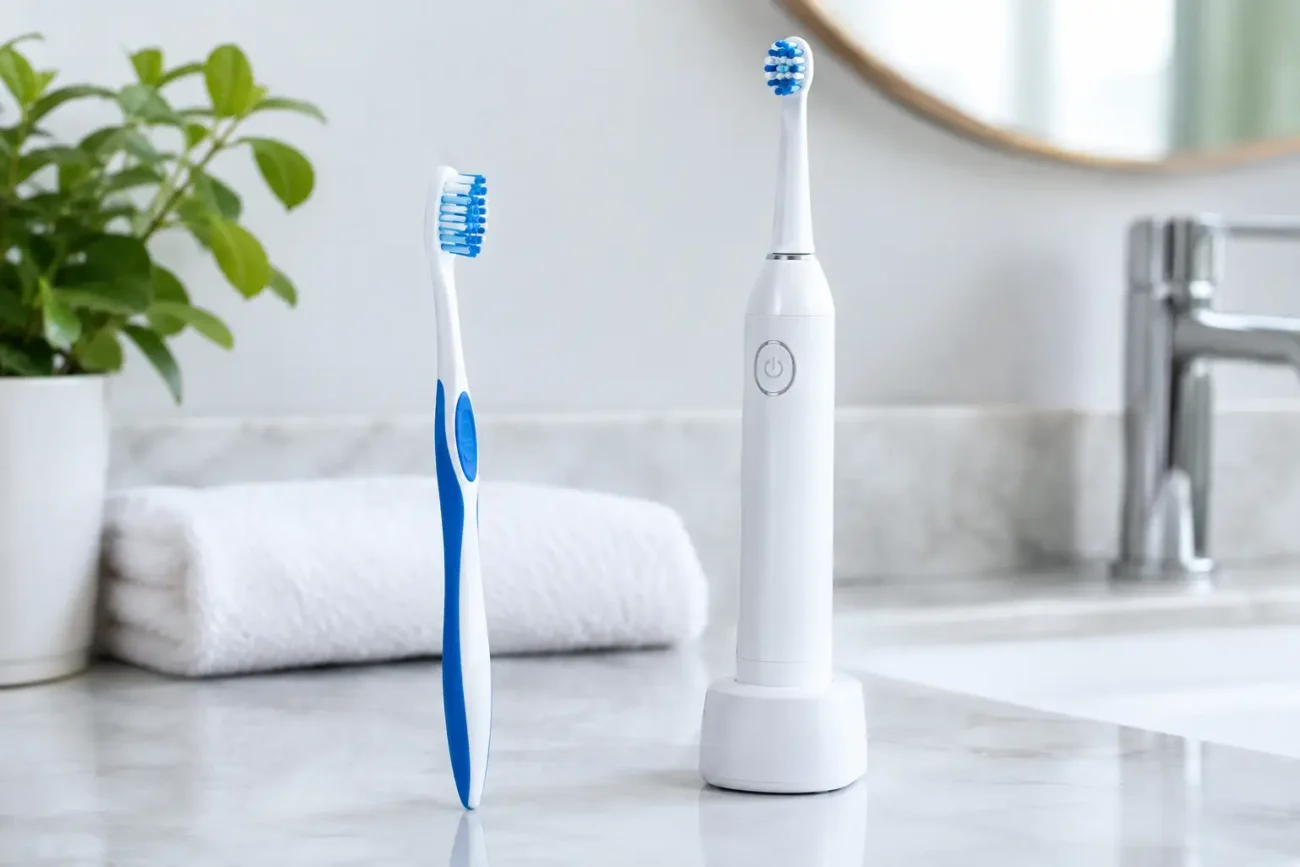
Electric is not the only route to healthy teeth. A manual soft-bristle brush, used carefully for two minutes, can clean very effectively. It may be the better option for a teen who will not remember to charge a device, prefers the simplicity of a lightweight brush or needs a low-cost spare for school trips.
The decision should be based on realistic habits, not pressure to own the latest gadget. If an electric brush makes someone brush longer, more gently and more consistently, it is a worthwhile upgrade. If it remains uncharged in a drawer, a manual bamboo toothbrush used faithfully is the better tool.
A toothbrush should make care feel easier, not like another chore to negotiate. Choose one that feels comfortable in their hand, looks good in their space and supports the small twice-daily habit behind a healthier smile.



Add a review
Your email address will not be published. Required fields are marked *