
Manual Versus Electric Toothbrush Cleaning
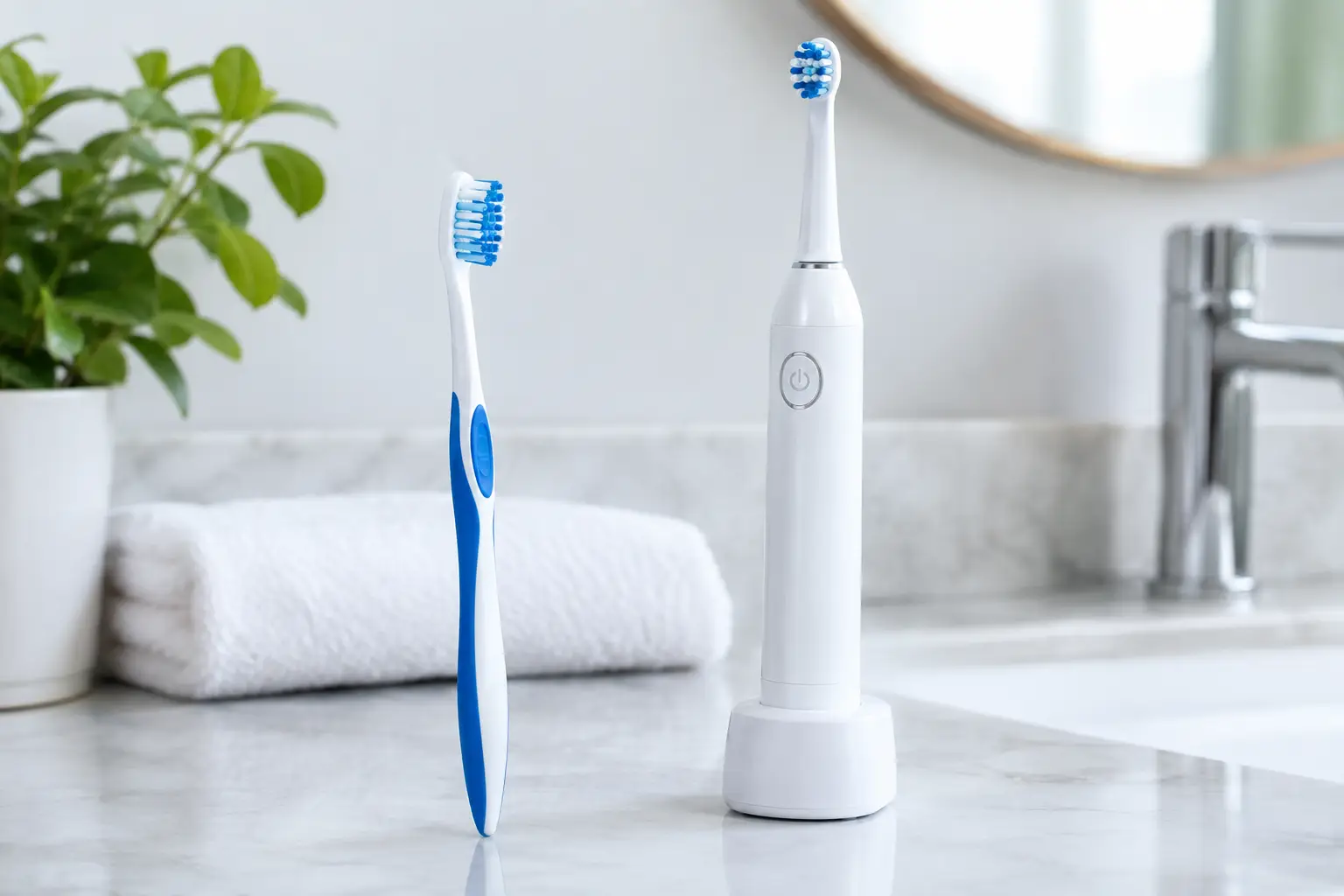
A toothbrush can look beautifully simple on the bathroom counter and still make a meaningful difference to your routine. Manual versus electric toothbrush cleaning is not really about choosing the most impressive gadget. It is about finding the option you will use well, twice a day, with gentle pressure and enough care to reach every surface.
For many people, a manual bamboo toothbrush is all they need for a clean, comfortable smile. For others, a rechargeable electric brush makes it easier to stay consistent, especially on busy mornings or when brushing technique has never felt quite right. Both can be excellent choices. The better fit depends on your habits, gums, budget and how you want to reduce everyday plastic waste.
Manual versus electric toothbrush cleaning: the real difference
The biggest difference is movement. With a manual toothbrush, your hand creates the small, controlled motions that clean along the gumline and across each tooth. With an electric toothbrush, the brush head provides repeated movement for you, while you guide it slowly from tooth to tooth.
That built-in movement can be useful. Many electric brushes include a timer, so two minutes feels less like a guess, and cleaning modes can support a steady, thorough routine. This is particularly helpful if you tend to rush, brush too hard or miss the backs of your teeth when you are tired.
A manual brush, however, gives you complete control. A good soft-bristled bamboo toothbrush can clean very effectively when used with a thoughtful technique. Hold it at a slight angle towards the gumline, use small circular motions and give equal attention to the outer, inner and chewing surfaces. It is uncomplicated, quiet and ready whenever you are.
Neither option replaces regular dental check-ups, interdental cleaning or a toothpaste that suits your needs. Brushing is one part of daily oral care, not the whole picture.
Cleaning performance comes down to technique and consistency
Electric toothbrushes are often a practical advantage for people who want more guidance from their brush. The consistent motion does some of the repetitive work, which can make cleaning feel more even. A two-minute timer also creates a useful pause in a fast routine: rather than brushing until it feels finished, you can give your mouth the full time it deserves.
This does not mean manual brushing is second best. A manual brush can remove plaque effectively when the bristles are soft, the technique is gentle and the brushing time is long enough. The common issue is not that manual brushes cannot clean well. It is that many people use a hurried back-and-forth scrubbing action, press too firmly or spend too little time on harder-to-reach areas.
If you enjoy a hands-on routine and are confident in your technique, a manual bamboo brush may feel natural and satisfying. If you would prefer a little more structure, an electric toothbrush can make that daily habit easier to maintain.
Gentle brushing matters more than extra pressure
More pressure does not mean a better clean. Aggressive brushing can feel productive, but it may irritate tender gums and wear bristles out quickly. This applies to manual and electric options alike.
Soft bristles are a sensible everyday choice because they can clean tooth surfaces while being kinder to the gumline. With an electric brush, let the bristles rest lightly against the teeth and guide the head rather than scrubbing with it. With a manual brush, use light circles instead of forceful strokes.
If your gums bleed regularly, feel sore, or you notice ongoing sensitivity, speak with a dental professional. A different brush can improve comfort, but persistent symptoms deserve individual advice.
The sustainable choice is more nuanced than one material
Plastic toothbrush handles are easy to overlook because they are small, but replacing them throughout the year adds to a wider pattern of single-use household waste. A bamboo manual toothbrush offers a simple alternative: a natural-looking handle, a lightweight feel and less reliance on conventional plastic in a product used every day.
A rechargeable electric toothbrush has a different sustainability story. It uses more components than a manual brush, including electronics and a battery, so it is not a throwaway item. Its advantage is long-term use. A durable rechargeable handle paired with replacement brush heads can reduce the need to replace the entire toothbrush every few months.
The most eco-conscious decision is often the one you can keep using properly. Choose a manual bamboo toothbrush if its simplicity suits your routine. Choose a rechargeable electric option if it helps you brush more consistently and you are committed to using the handle for years, changing only the head when needed.
At the end of a brush head’s life, follow local guidance for the materials involved rather than assuming every part can go into household recycling. Bamboo handles and bristles may need different disposal routes, while electronic handles should never be placed in general waste if e-waste collection is available.
Cost, convenience and countertop appeal
A manual toothbrush is usually the lower-cost starting point. It has no charging cable, no settings and no replacement parts beyond the toothbrush itself. It is easy to pack for weekends away, keep in a gym bag or use as a dependable spare.
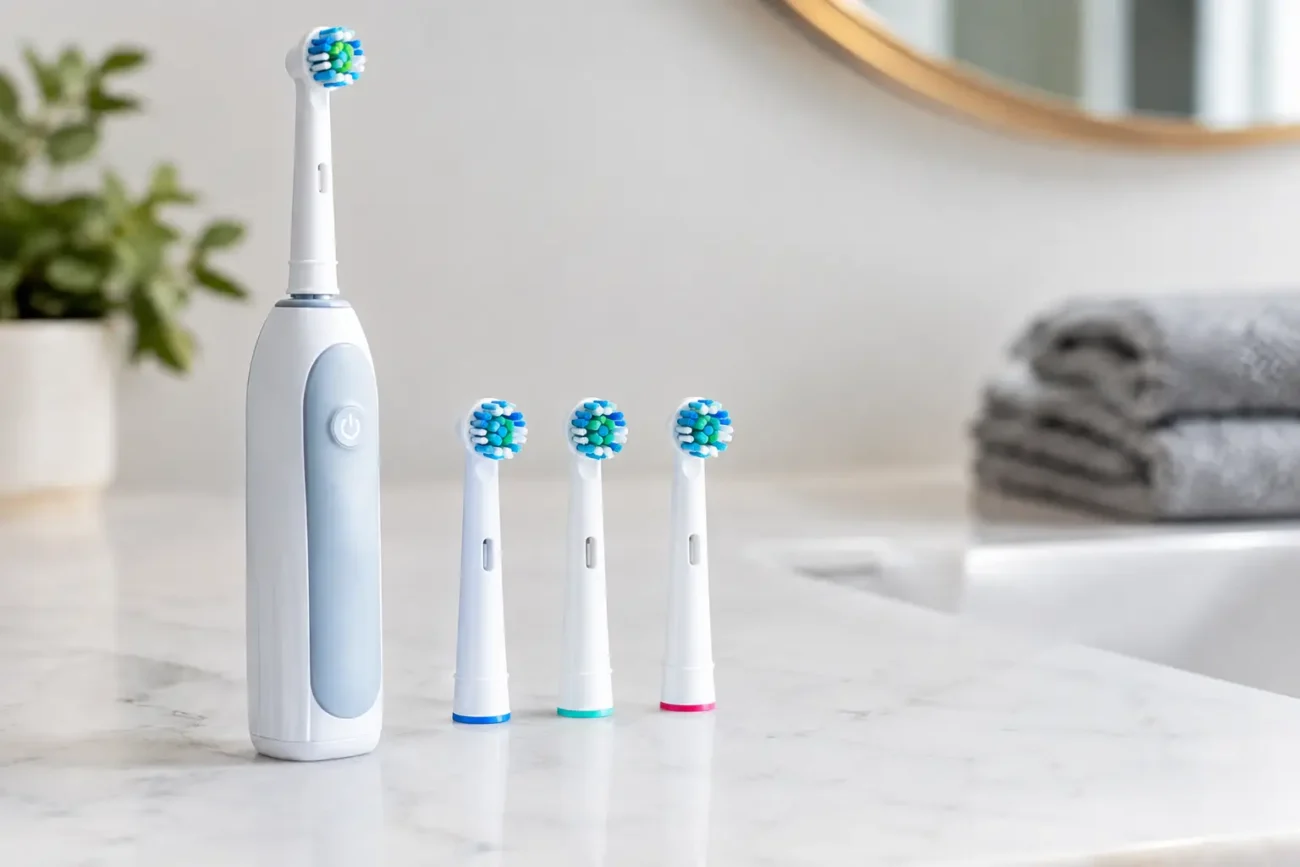
An electric toothbrush costs more at first, then continues with replacement-head purchases. In return, it may offer long battery life, cleaning modes and the reassurance of a built-in timer. For households, keeping replacement heads on hand can make the routine straightforward without filling the bathroom with multiple bulky handles.
There is also the everyday experience. Some people love the calm, familiar feel of a manual brush. Others appreciate the polished convenience of an electric model that stands neatly by the sink and is ready for use. A bamboo electric toothbrush brings a warmer, more natural finish to that familiar charging setup, proving that practical technology does not have to look clinical or overly plastic.
Which toothbrush suits your routine?
A manual bamboo toothbrush may be the better choice if you already brush carefully for two minutes, prefer a minimal routine or want the most straightforward low-waste swap. It also works well for people who travel often and do not want another device to charge.
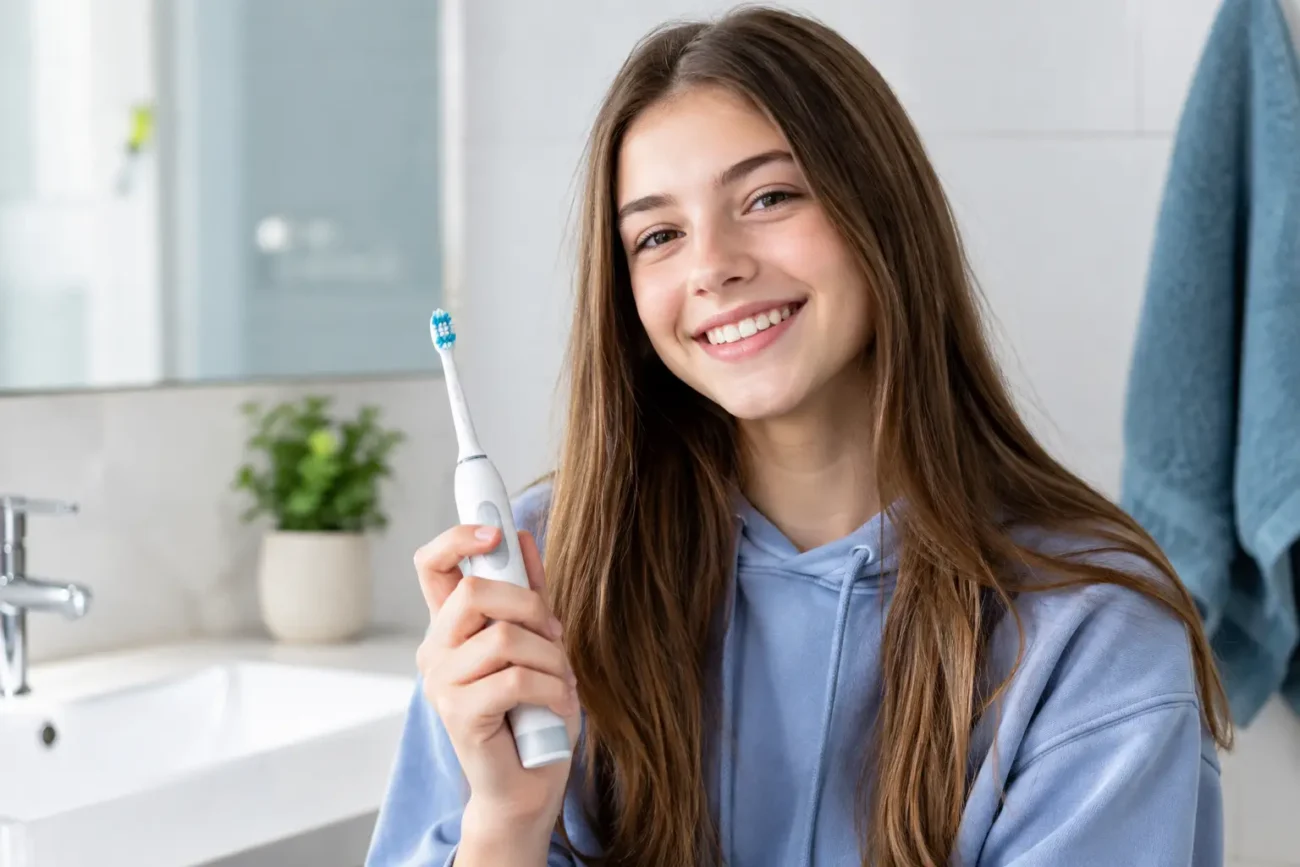
A rechargeable electric toothbrush may suit you better if you regularly rush brushing, want a timer to keep you on track, have limited hand dexterity or simply prefer the feeling of powered cleaning. Teenagers who are building reliable routines can also benefit from the structure of a timed brush, while adults may appreciate the consistency on early mornings and late nights.
There is no rule that says one choice must serve every situation. Some people keep an electric toothbrush at home and a manual bamboo brush for travel. Others begin with a manual brush, improve their technique, and later decide whether the extra features of an electric model are worth it.
Make either option work harder
Whichever brush you choose, replace the head or toothbrush when the bristles start to splay, fade or lose their shape. Frayed bristles do not clean as precisely and can make brushing feel harsher than it should. Rinse the brush after use, allow it to air-dry upright and avoid storing it in a closed, damp container for long periods.
Use a pea-sized amount of fluoride toothpaste for adults and follow the advice on the pack for children. Brush for two minutes, clean between your teeth once a day with the option recommended by your dental professional, and do not forget the gumline and back molars. These small habits matter far more than a dramatic-looking brushing technique.
MAXDENT brings this choice back to what it should be: reliable performance for everyday use, with materials that look at home in a considered bathroom. Whether your routine is powered or manual, a soft-bristled brush you enjoy reaching for is a practical step towards cleaner teeth, more comfortable gums and less unnecessary plastic in the cupboard.
Choose the toothbrush that makes careful brushing feel easy enough to repeat tomorrow morning, and the morning after that.



Add a review
Your email address will not be published. Required fields are marked *