
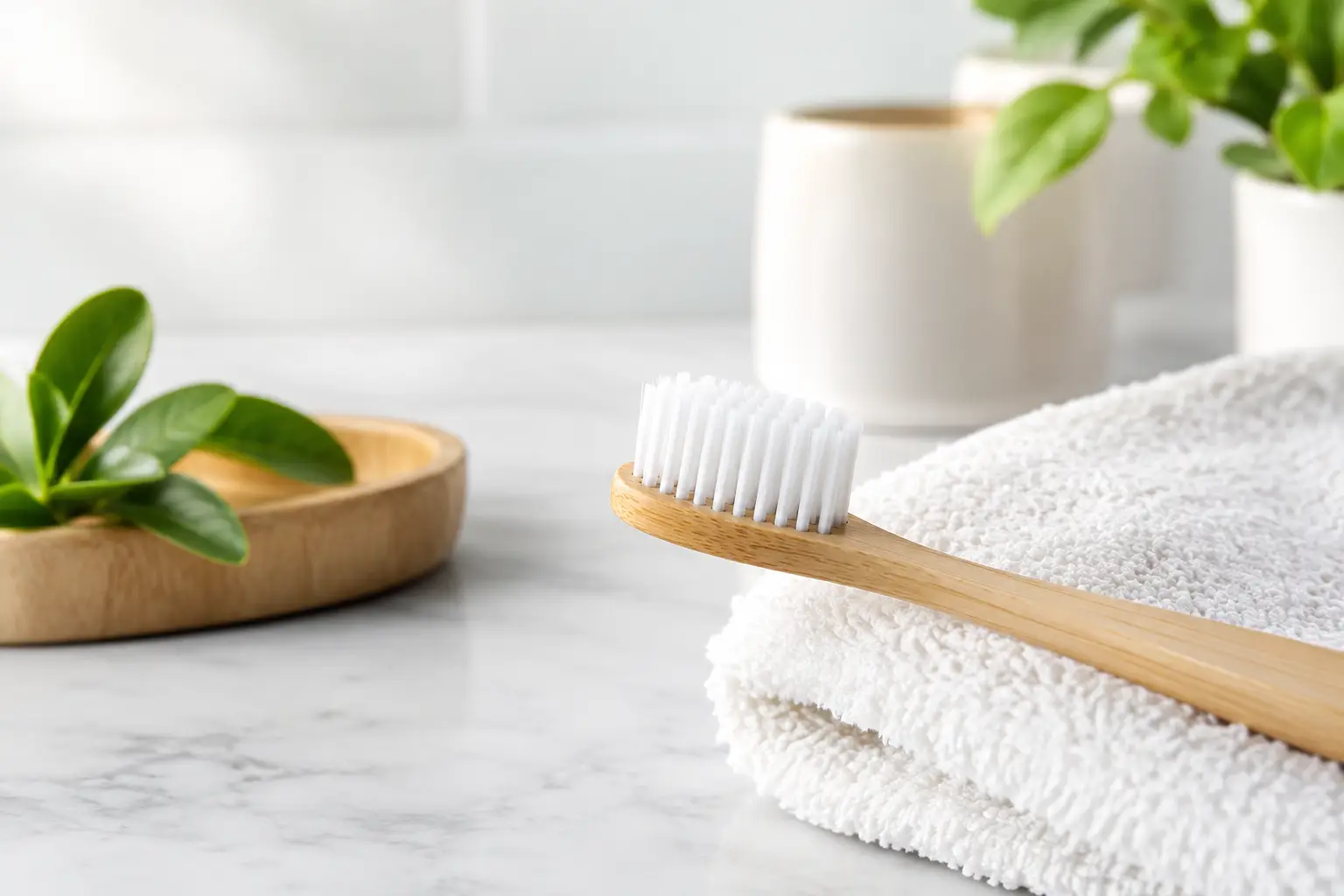
Is a Soft Bamboo Toothbrush for Gums Gentle?
A soft bamboo toothbrush for gums should feel comfortable from the first stroke, not like a compromise made for a lower-plastic bathroom. The right brush pairs finely tapered, soft bristles with a handle that sits securely in the hand, helping you clean thoroughly without pressing too hard at the gumline. It is a small everyday switch, but one that can make brushing feel calmer, cleaner and more considered.
Why soft bristles are kinder to gums
Gums do not need aggressive scrubbing to stay healthy. Plaque is soft and can be removed with gentle, consistent brushing, while excessive force can irritate tender tissue and contribute to gum recession over time. A soft-bristled brush bends slightly as it moves across teeth and along the gumline, allowing it to clean with less pressure.
That flexibility matters most around the places people often miss: where tooth meets gum, behind the lower front teeth and around the back molars. Rather than sawing back and forth, angle the bristles gently towards the gumline and use small, controlled movements. Give yourself two minutes, twice a day. The brush does the cleaning; your hand supplies the guidance.
If brushing regularly leaves your gums sore, switching to soft bristles is a sensible first step. Persistent bleeding, swelling, pain or receding gums deserves advice from a dentist or hygienist. A gentler toothbrush supports a good routine, but it cannot diagnose or treat gum disease.
What makes a soft bamboo toothbrush for gums a good choice?
A bamboo toothbrush is not automatically gentle just because the handle is natural. The bristle texture, head size and overall balance are what determine how it feels in daily use. Look for genuinely soft bristles with neat, even trimming. Bristles that are too stiff, uneven or widely spaced can make it harder to clean comfortably along the gumline.
A compact brush head is also useful, particularly if you find it difficult to reach behind your last molars. It gives you more control in smaller areas without making the whole brushing experience feel fussy. For adults and teenagers, a slim, lightweight bamboo handle can be especially appealing: it offers a warm, natural grip and looks refined on the bathroom counter without the bulky feel of many plastic brushes.
The handle should feel smooth, with no rough edges or splinters. Bamboo is naturally distinctive in colour and grain, so each handle may look slightly different. That variation is part of the appeal, but quality finishing still matters. A well-made handle should be easy to hold when wet and comfortable enough to use twice every day.
Gentle does not mean less effective
There is a common belief that firmer bristles clean better. In practice, effective brushing is much more about angle, time and consistency than force. Soft bristles can reach around the contours of teeth while helping you avoid the harsh scrubbing that sensitive gums dislike.
Use a pea-sized amount of fluoride toothpaste for adults and older children who can spit it out. Start on the outer tooth surfaces, then the inner surfaces, and finish with chewing surfaces. Keep the brush head lightly against the teeth and gums. If the bristles flatten quickly, that is often a sign that you are pressing harder than necessary.
Charcoal-infused bristles can be a stylish feature in a bamboo brush, but they are not a substitute for good technique or fluoride toothpaste. Think of them as part of the brush design, not a promise of instant whitening. Daily care is usually less dramatic and more reliable: gentle brushing, cleaning between teeth and regular dental check-ups.
Bamboo and bristles: the practical sustainability question
Choosing bamboo can reduce your reliance on a fully plastic manual toothbrush handle, and it brings a clean, natural look to an item used every day. Still, sustainable choices are strongest when they are honest about materials. Most toothbrush bristles are made from nylon or another synthetic material, because they need to remain hygienic, flexible and durable during use.
That means a bamboo toothbrush should not usually be placed in garden compost whole. When it is time to replace it, remove the bristles where local facilities and practical tools allow, then check your local guidance for the bamboo handle. Disposal options vary by area, so it is worth treating broad ‘biodegradable’ claims with care.
The everyday habit matters too. Keep your bamboo toothbrush upright in an open, dry holder rather than leaving it in a puddle or sealed travel case. Letting the handle dry between uses helps it stay in good condition. Replace the brush about every three months, or sooner if the bristles become splayed, frayed or worn.
Manual or electric: which is better for sensitive gums?
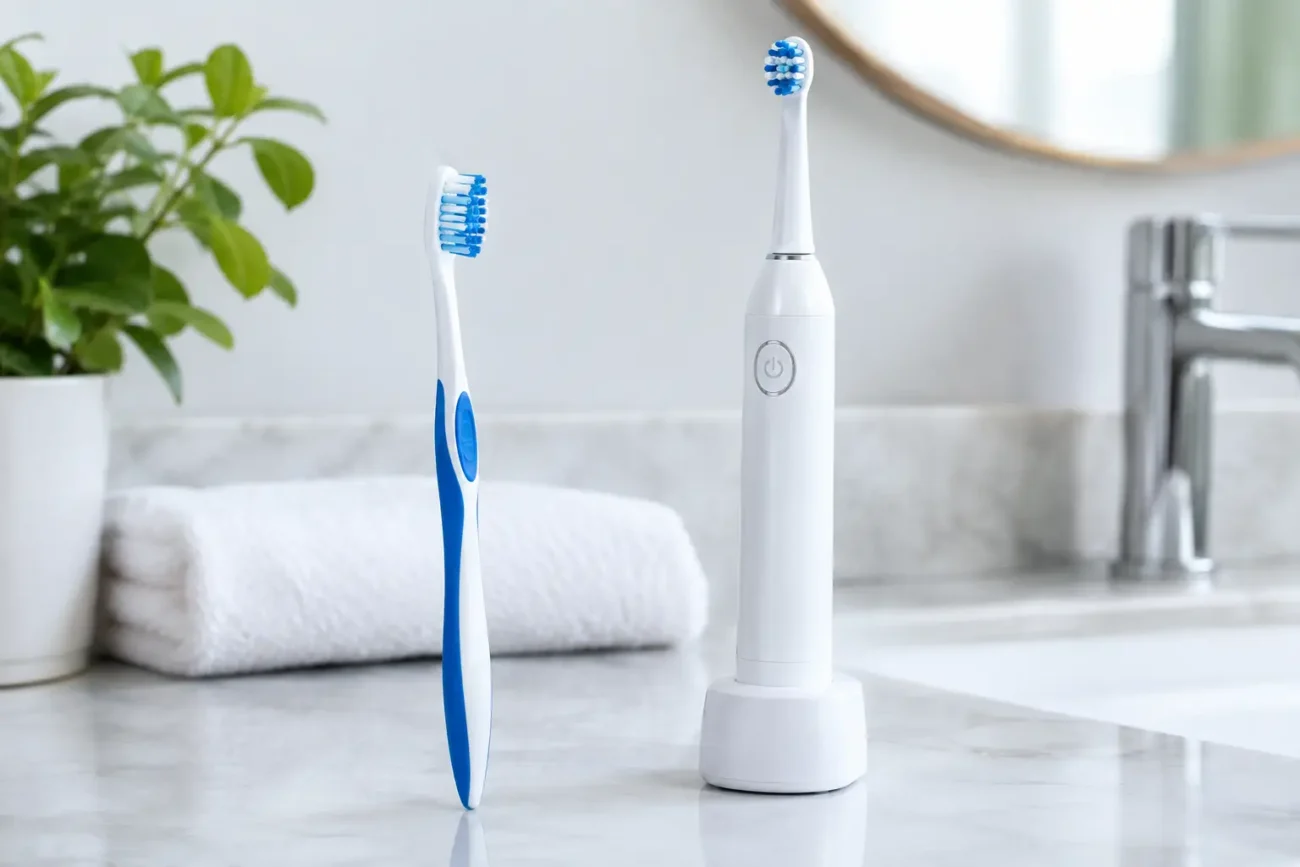
A manual soft bamboo toothbrush offers direct control. It is quiet, compact, travel-friendly and beautifully simple. For people who already brush carefully for two minutes, it can be all they need. The trade-off is that timing and pressure are entirely down to you.
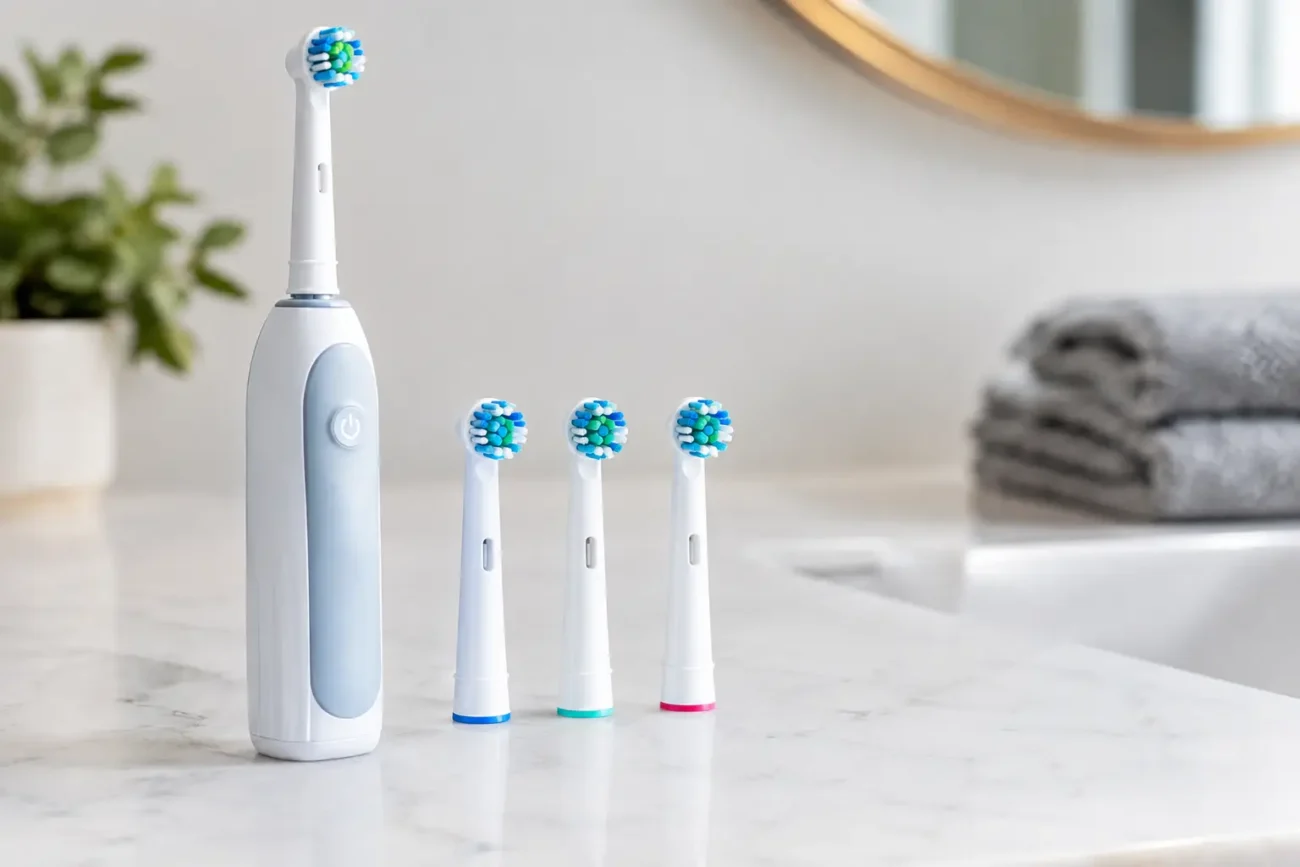
A rechargeable bamboo electric toothbrush can make consistency easier. Oscillating or sonic cleaning action does much of the movement for you, while a built-in timer helps prevent rushed brushing. Pressure alerts, where available, can be useful for anyone who tends to scrub. Replacement heads also mean you keep the main handle for longer, reducing the need to replace the whole brush.
Neither option is automatically best for every mouth. If you value a pared-back routine and precise hand control, manual may suit you. If you want help with timing, technique or maintaining a regular routine, electric is a practical upgrade. In both cases, choose a soft head and let gentle contact do the work.
Small habits that protect the gumline
Your toothbrush is only one part of comfortable gum care. Replace it on schedule, clean between your teeth once a day and avoid using a toothbrush to scrub at one spot repeatedly. If you use an electric brush, move it slowly from tooth to tooth rather than treating it like a manual brush.
Pay attention to what your gums are telling you. A little temporary sensitivity after a change in routine can happen, but ongoing tenderness is not something to brush through. Smoking, hormonal changes, some medicines, dry mouth and plaque build-up can all affect gum health, so the answer is not always a different brush alone.
For households, a multipack of bamboo brushes can make replacement dates easier to manage. Keep a fresh brush ready in the cupboard, and consider writing the opening month on the packaging or adding a three-month reminder to your phone. It is a simple way to avoid carrying on with worn bristles because replacing them slipped your mind.
A better-feeling brush, twice a day
The best toothbrush is one you will use correctly and consistently. For many people, that means soft bristles, a manageable head and a handle that feels good enough to reach for every morning and evening. MAXDENT bamboo toothbrushes bring those practical details together with a minimalist material choice designed for everyday bathrooms.
Choose softness over force, care over quick fixes and a brush that suits your routine rather than fighting it. Healthy-looking gums are built through the quiet repetition of gentle habits, one thoughtful brush at a time.



Add a review
Your email address will not be published. Required fields are marked *