
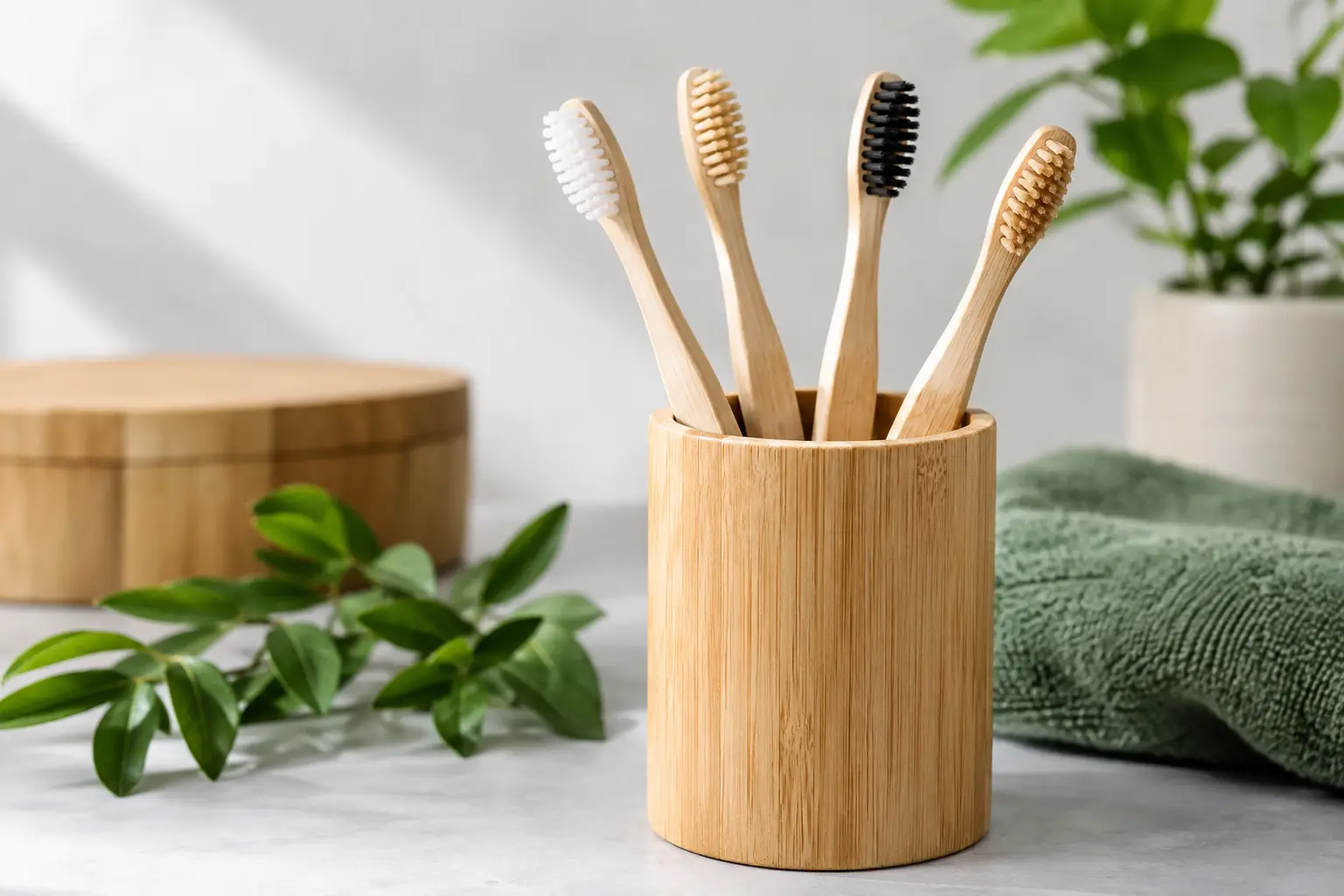
Are Bamboo Toothbrushes Eco Friendly? The Real Answer
A toothbrush is small, but the habit is not. Replacing one every few months can mean a steady stream of plastic handles, mixed materials and packaging entering the waste system. So, are bamboo toothbrushes eco-friendly? Usually, they are a more eco-conscious choice than a conventional disposable plastic toothbrush – but only when we look beyond the handle.
Bamboo can reduce reliance on fossil-fuel-based plastic and brings a warm, minimalist look to the bathroom counter. Yet a genuinely lower-waste routine also depends on bristles, product lifespan, packaging and what happens when the brush reaches the end of its useful life.
Are bamboo toothbrushes eco-friendly compared with plastic?
For most people, a bamboo toothbrush is the better everyday option when compared with a fully plastic manual brush. The key reason is the handle. Conventional toothbrush handles are commonly made from petroleum-based plastics that can persist for a very long time if they are not properly recycled. In reality, their small size and combination of materials mean many are simply thrown away.
Bamboo is a fast-growing plant material. When responsibly sourced and processed, it can be renewed more quickly than hardwood and used without creating a plastic handle that is designed to outlast its owner. A bamboo brush can also feel like a practical upgrade rather than a compromise: it is lightweight, comfortable to hold and naturally suited to a calm, refined bathroom space.
That said, “bamboo” is not a magic label. A brush’s overall impact depends on where the bamboo is grown, how it is transported, the energy used in manufacturing and the materials attached to it. A bamboo toothbrush is lower-waste by design, not automatically impact-free.
The handle is only one part of the brush
Most bamboo toothbrushes use nylon or other synthetic bristles. These are durable, hygienic and effective at cleaning teeth, but they do not biodegrade in the same way as the bamboo handle. Charcoal-infused bristles may offer a stylish dark finish, but their disposal requirements are broadly similar to other synthetic bristles.
This does not cancel out the benefit of choosing bamboo. It simply means that a bamboo toothbrush is best described as partly biodegradable or lower-plastic, rather than fully compostable. Clear language matters, especially for shoppers trying to make responsible choices without being misled by attractive green packaging.
Why bamboo can be a practical eco upgrade
The most sustainable products are the ones people can use consistently. If a toothbrush looks good but feels rough, becomes mouldy quickly or does not clean well, it is unlikely to become a lasting habit. A well-made bamboo toothbrush should still prioritise the basics: soft bristles, a comfortable grip and dependable cleaning.
Soft bristles are especially worth seeking out. They can clean effectively along the gumline when used with a gentle technique, without encouraging the heavy scrubbing that can irritate gums. The right brush is not the firmest one. It is the one you will use twice a day, with good brushing technique, for the recommended replacement period.
Bamboo also makes sense for households looking to reduce visible plastic without making the bathroom feel less functional. A natural handle offers a clean, modern alternative to brightly coloured disposable brushes. Multi-packs can help families keep fresh brushes ready for adults and teenagers, while reducing repeat deliveries and excess outer packaging.
The trade-offs worth knowing before you buy
Eco-conscious shopping works best when it leaves room for nuance. Bamboo has advantages, but it also needs care. Unlike plastic, a natural handle should not be left sitting in a puddle of water. After brushing, rinse it, shake off excess water and store it upright in a dry, ventilated holder. This helps the handle stay clean and comfortable throughout its use.
The handle may develop a more natural appearance over time, particularly in a humid bathroom. That is not necessarily a quality issue, but it is a reminder that bamboo is a plant-based material rather than a sealed plastic object. Good ventilation and sensible storage make a noticeable difference.
Transport is another consideration. Bamboo is often grown and manufactured far from where it is sold. Local production can reduce transport emissions, but a local plastic toothbrush is not automatically the lower-impact choice when the material itself is considered. The useful question is not whether one product is perfect. It is whether it reduces unnecessary plastic and is designed for sensible, regular use.
How to dispose of a bamboo toothbrush properly
The end of a toothbrush’s life is where good intentions can become confusing. Do not place the whole brush straight into your home compost bin unless the manufacturer specifically confirms that every component is suitable. In most cases, the bristles need to be removed first.
When it is time to replace your brush, pull the bristles out with pliers where possible. Dispose of those bristles according to your local waste guidance, as they are often too small and mixed to recycle through standard household collections. Once the bristles are removed, the bamboo handle may be suitable for home composting or green-waste disposal, depending on local rules and any coatings or added materials.
If composting is not available, the bamboo handle can still take up less persistent plastic than a conventional toothbrush handle. Some people reuse a cleaned handle as a plant marker, a small craft tool or a cleaning brush for narrow gaps before disposal. Reuse is optional, not a requirement. The goal is a realistic routine you can keep.
What about bamboo electric toothbrushes?
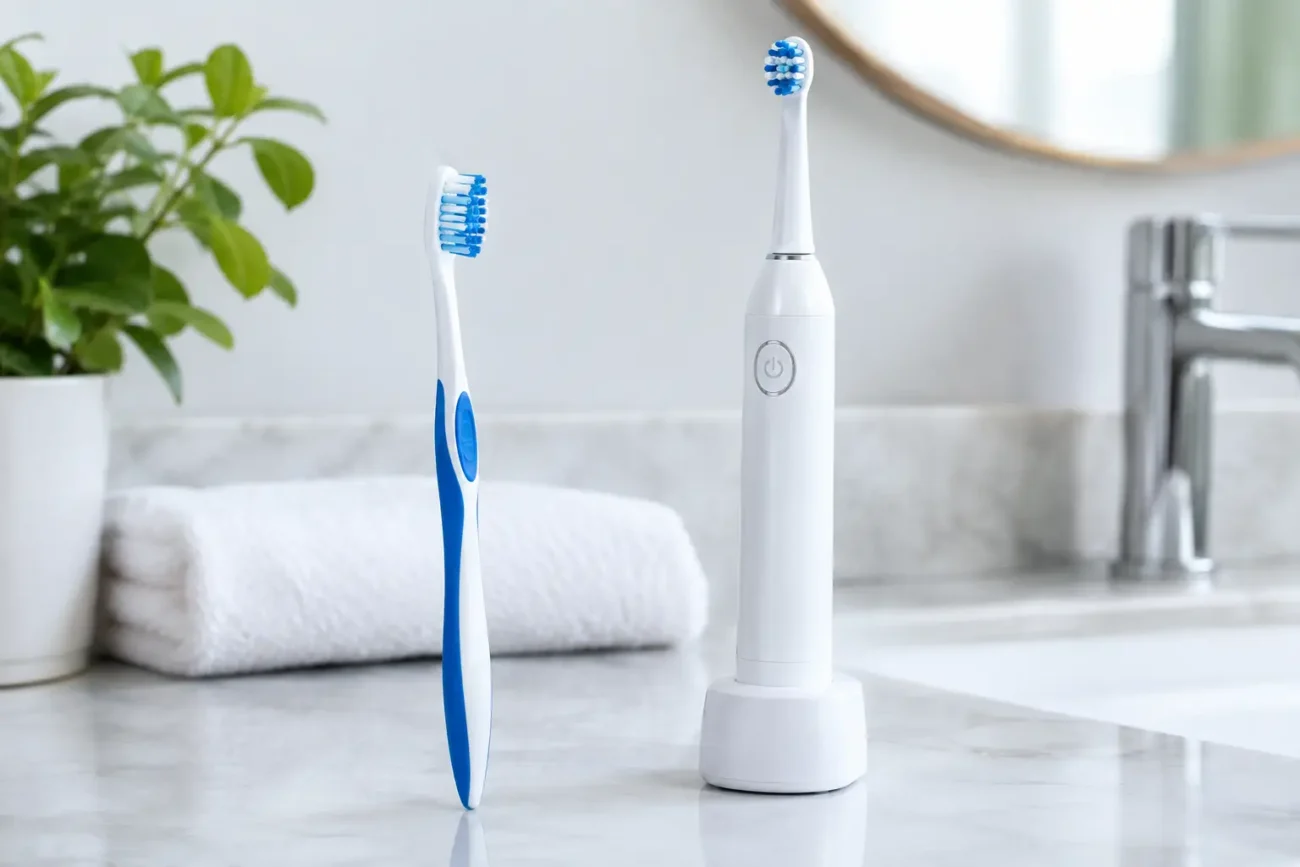
Manual bamboo toothbrushes reduce plastic most directly because the whole handle is simple and replaceable. An electric toothbrush has a different environmental profile: it contains a rechargeable battery, motor, electronics and charging components. It should never be treated as compostable or placed in ordinary household rubbish at the end of its life.
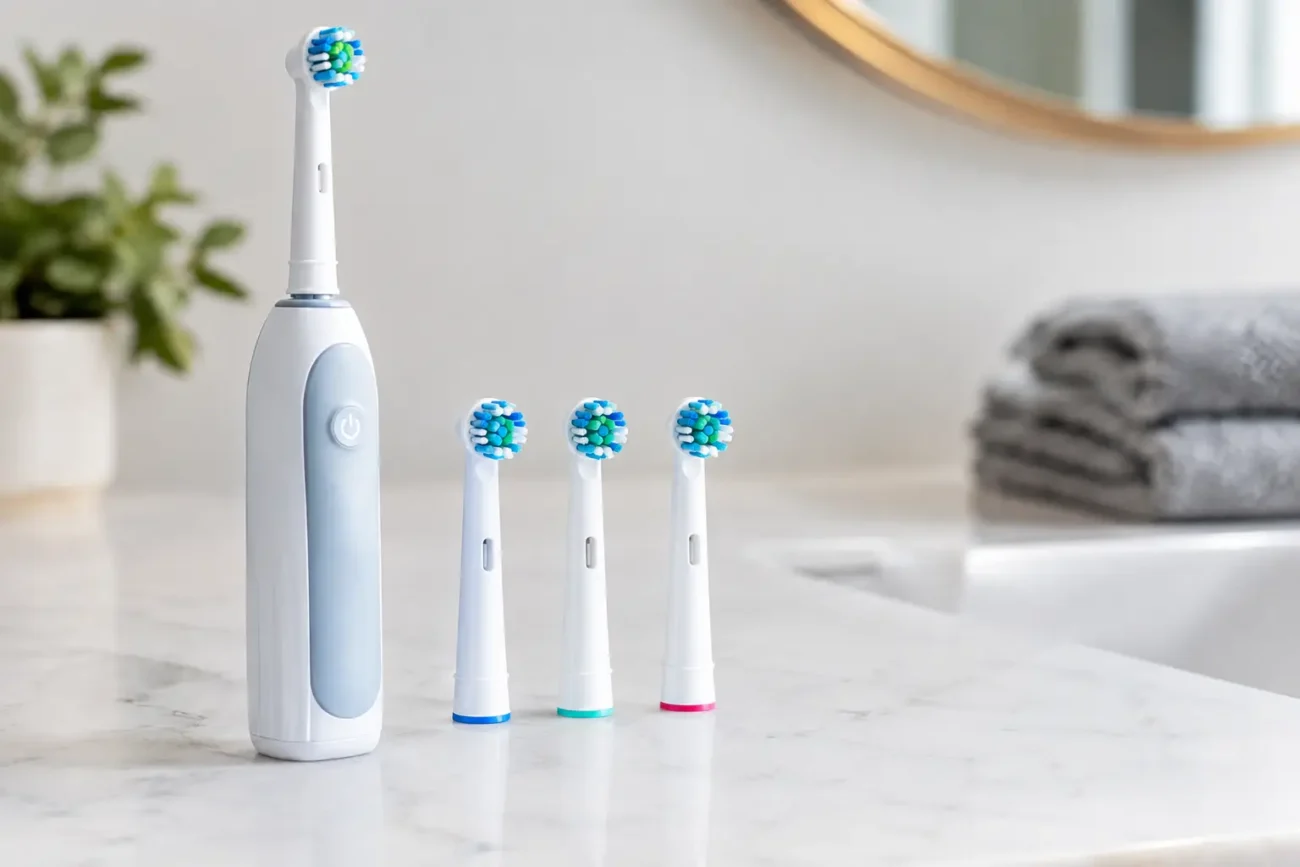
However, a rechargeable bamboo electric toothbrush can still be a thoughtful choice for someone who prefers electric cleaning performance. The key is longevity. A durable handle used for years, paired with replaceable brush heads, can reduce the number of complete devices purchased over time. It also avoids the repeated waste created by disposable battery-powered brushes.
Look for a model with replacement-head availability, a long-lasting rechargeable battery and a construction that feels made for daily use rather than a short-lived novelty. At the end of its life, take the electric handle to an appropriate electrical recycling point. Replace only the brush head as recommended, and keep the main device in service for as long as it works safely and effectively.
For shoppers who want a natural-looking alternative without giving up familiar electric-brush convenience, this is where thoughtful design matters. MAXDENT’s bamboo electric options are designed around that balance: soft bristles and practical cleaning modes, with a rechargeable format that supports a longer-term routine.
Small habits that make the bigger difference
No toothbrush can compensate for replacing it more often than needed or using more product than necessary. Dentists commonly recommend changing a toothbrush or brush head around every three months, or sooner if the bristles are visibly frayed or after illness. Keeping to that rhythm protects cleaning performance without creating avoidable waste.
Choose a brush with packaging you can easily recycle or dispose of responsibly. Store the brush where it can dry. Avoid buying a large supply if it is likely to sit for years in a damp cupboard. And when selecting an electric model, choose replacement heads rather than replacing the full handle.
A bamboo toothbrush will not make an entire oral-care routine zero-waste, and it does not need to. The more useful aim is progress: fewer disposable plastic handles, a brush that feels good to use, and a disposal plan that matches the materials in your hand. Pick the option that fits your daily routine, care for it properly, and let a small twice-daily choice become one you feel good about.


Add a review
Your email address will not be published. Required fields are marked *