
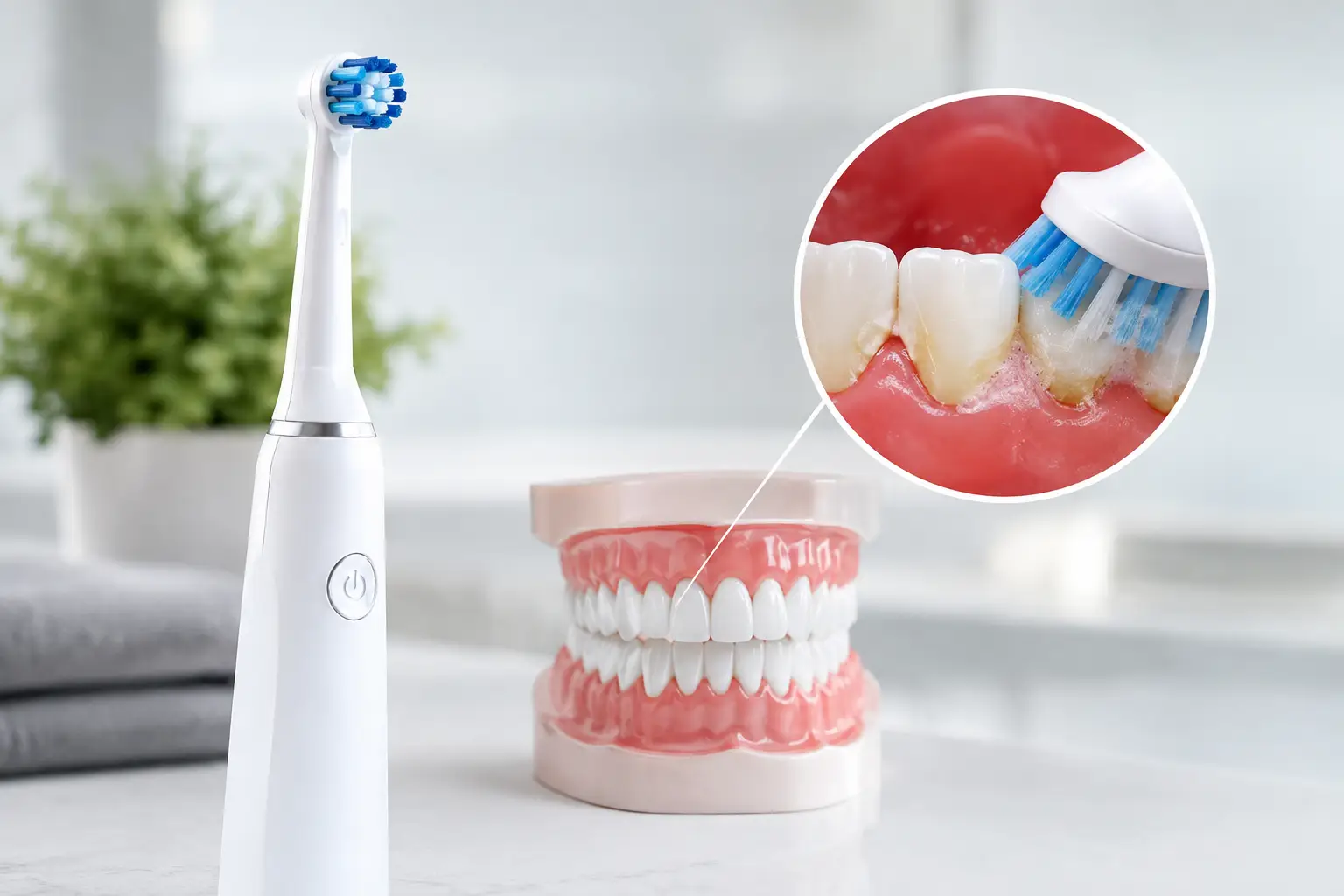
Electric Toothbrush Plaque Removal Study Findings
Plaque is easy to miss because it is soft, colourless and quick to return. It gathers along the gumline, between teeth and around the back molars – the very places a rushed two-minute brush can overlook. An electric toothbrush plaque removal study is useful because it moves the conversation beyond stylish handles and clever modes to the result that matters most: how reliably a brush helps remove daily plaque.
For anyone choosing a rechargeable brush, the encouraging message is not that an electric model does all the work for you. It is that the right brush action, used consistently and gently, can make thorough brushing easier to achieve. That is a practical upgrade for busy mornings, tired evenings and households looking to cut back on disposable plastic without making their routine more complicated.
What an electric toothbrush plaque removal study can tell us
Research comparing powered and manual toothbrushes commonly finds that powered brushes can reduce plaque more effectively over the short and longer term. The strongest evidence has often been associated with oscillating-rotating brush heads, which move in a small circular motion designed to clean tooth by tooth.
That does not mean every electric brush will produce identical results, or that a manual bamboo toothbrush cannot clean very well. A careful manual technique can be highly effective. The difference is that a powered brush supplies thousands of consistent movements each minute, reducing the amount of wrist work needed to clean around every surface.
Plaque figures in studies should also be read with a little perspective. A percentage improvement describes an average change in plaque scores across a group, not a promise that every user will have the same result or that plaque will disappear completely. Brushing habits, gum health, crowded teeth, braces, replacement-head condition and the way plaque is measured can all influence the outcome.
The useful takeaway is straightforward: an electric toothbrush can give many people an advantage, particularly when they struggle with technique, brush too quickly or press too hard. It is a tool for better consistency, not a substitute for daily care.
Why brush action matters
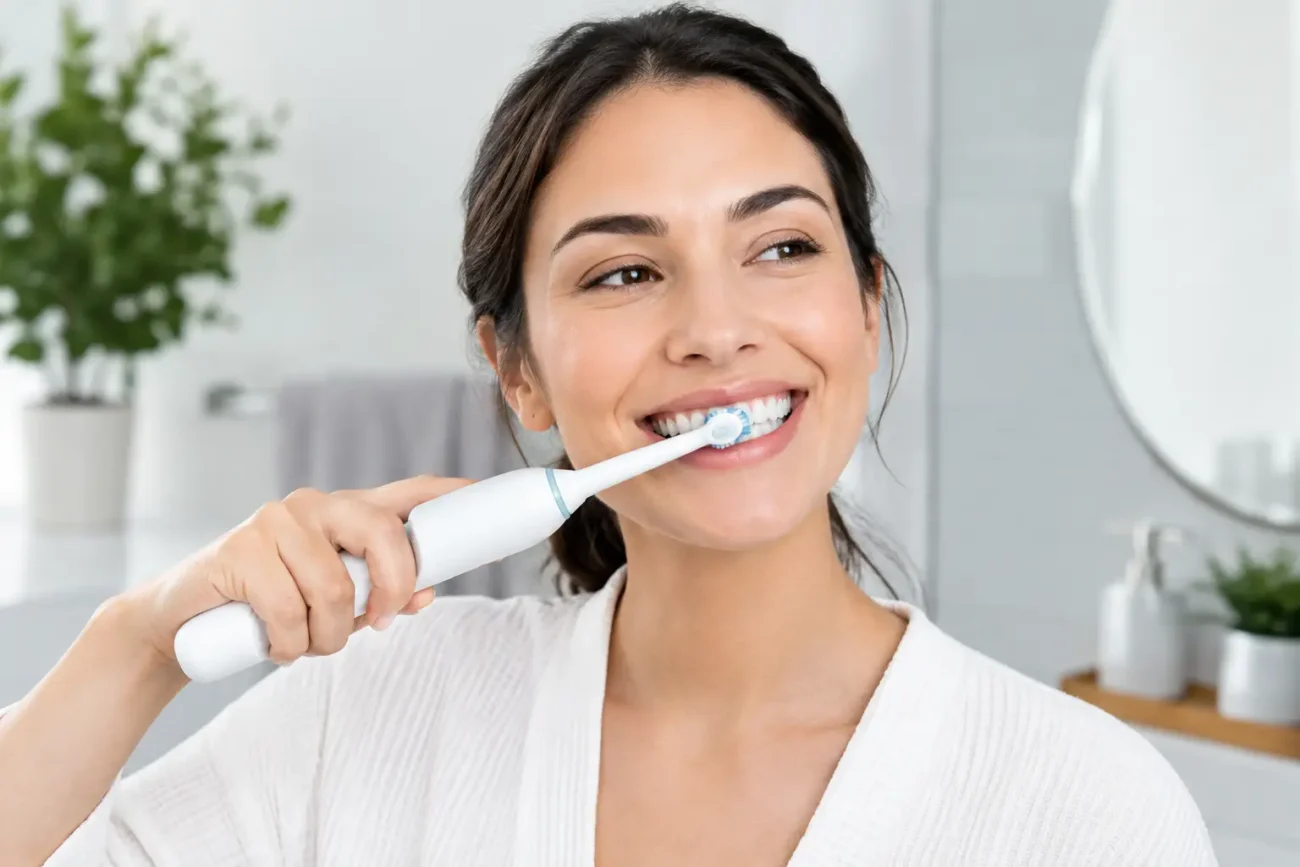
Manual brushing relies on making controlled, gentle movements at the correct angle. That is perfectly possible, but it asks you to maintain focus around every tooth, twice a day. With an electric brush, the bristles provide the movement while you guide the head slowly from tooth to tooth.
This changes the job from scrubbing to positioning. Hold the bristles where the tooth meets the gumline, pause briefly, then move on. Clean the outer surfaces, inner surfaces and chewing surfaces, paying extra attention to the lower front teeth and the hard-to-reach molars. A compact brush head can be particularly helpful here because it is easier to place precisely without stretching your mouth uncomfortably.
Soft bristles matter too. They can flex around tooth contours and the gumline while being kinder to sensitive gums. Firm scrubbing does not equal cleaner teeth. In fact, pressing heavily can flatten bristles, make brushing less comfortable and may lead people to miss areas as they focus on force rather than coverage.
Better plaque removal still depends on your routine
An electric brush offers useful motion, but the routine around it determines whether that motion reaches the plaque. The simplest improvement is to slow down. Divide your mouth into four sections and give each one about 30 seconds. A built-in timer can turn that small habit into an effortless part of the day.
Use a pea-sized amount of fluoride toothpaste for adults and teenagers who are able to spit it out. After brushing, spit rather than rinsing straight away, so the fluoride can remain on the teeth for longer. Clean between teeth once a day with interdental brushes or floss, depending on the size of the gaps and advice from your dental professional. A toothbrush, electric or manual, cannot fully clean where teeth touch.
Replace the brush head when the bristles begin to splay, usually around every three months, or sooner after illness. Worn bristles cannot make close contact as effectively and can make even a well-designed electric brush feel less fresh. Choosing a system with replacement heads available makes this part of long-term care much simpler.
If you notice bleeding gums, persistent bad breath, pain, swelling or sensitivity that does not settle, book a dental appointment. Bleeding can be a sign of gum inflammation, and no brush setting should be expected to solve an underlying problem on its own.
Choosing an electric toothbrush without adding unnecessary waste
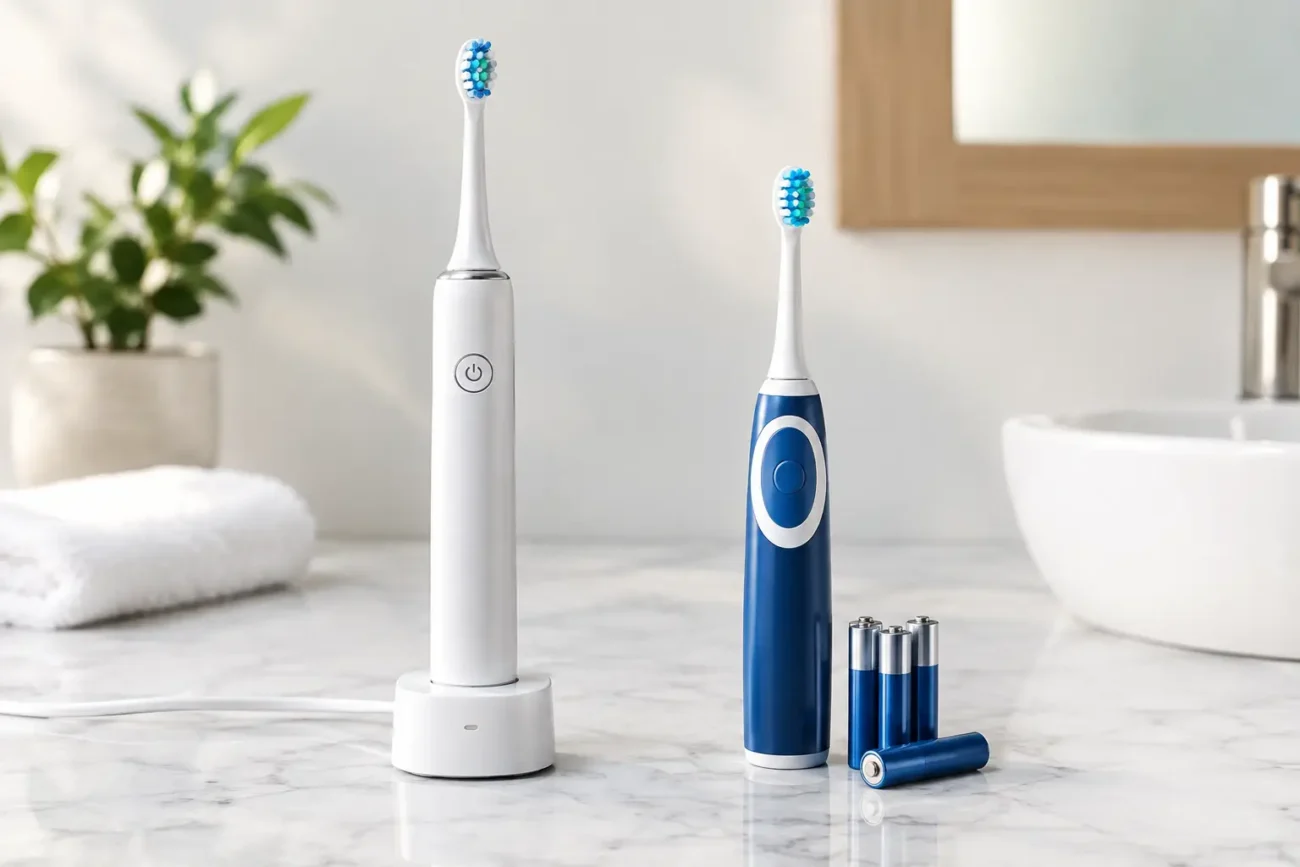
For many shoppers, the challenge is not whether an electric toothbrush is convenient. It is finding one that fits a lower-waste bathroom without looking or feeling like a compromise. The environmental benefit of a rechargeable brush depends on how long you use it, how often you charge it and whether you can replace the head instead of the entire device.
A durable rechargeable handle and replaceable heads can reduce the number of full toothbrushes discarded over time. Materials still matter, but longevity matters just as much. A brush that sits unused in a drawer is never the sustainable choice. Pick one that feels comfortable in your hand, is easy to keep charged and has a head size you will enjoy using twice a day.
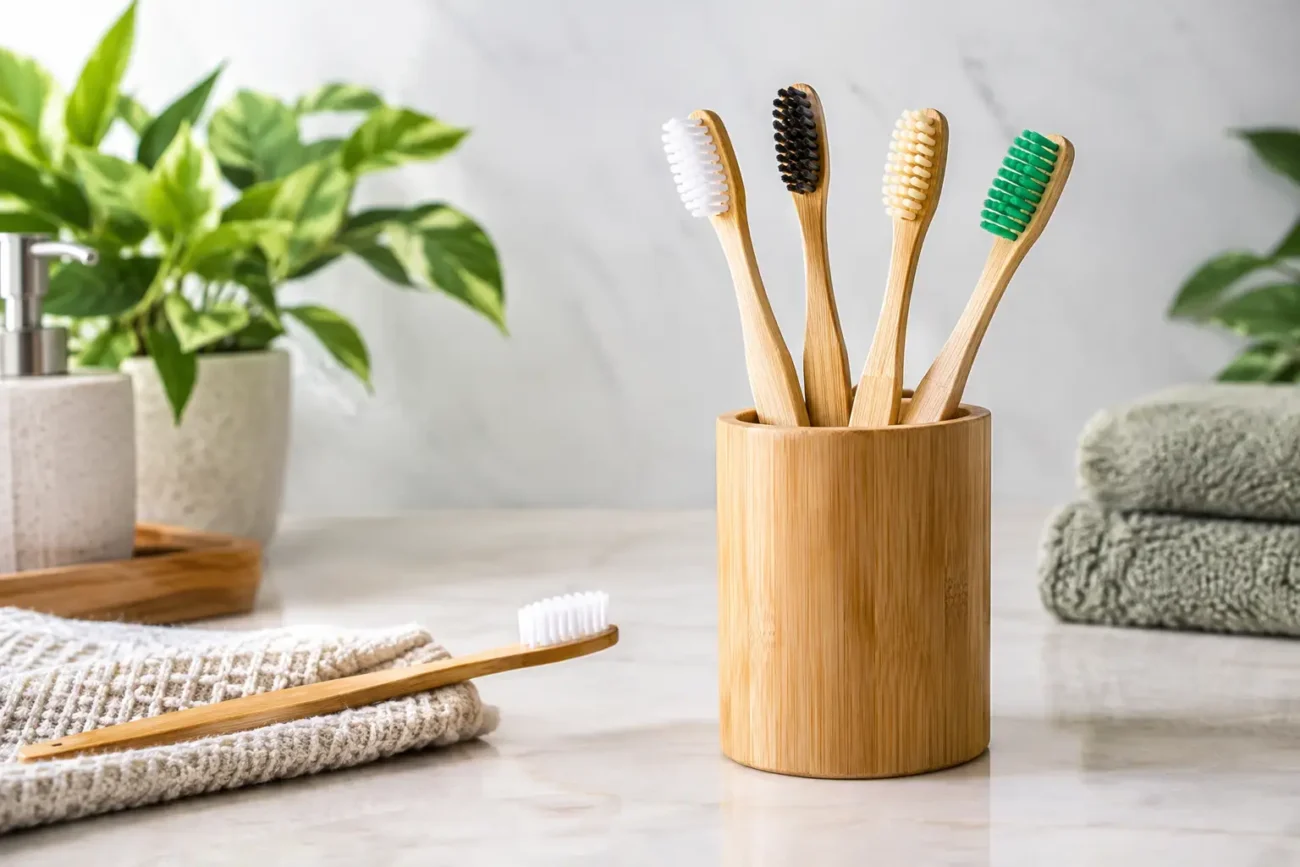
A bamboo electric toothbrush brings a warmer, more natural look to the bathroom counter than conventional all-plastic designs. For design-conscious homes, that visual difference can be surprisingly useful: when a product feels good to own, it is more likely to become part of a regular routine. MAXDENT pairs that bamboo-led style with rechargeable convenience, soft bristles and replacement-head practicality for everyday brushing.
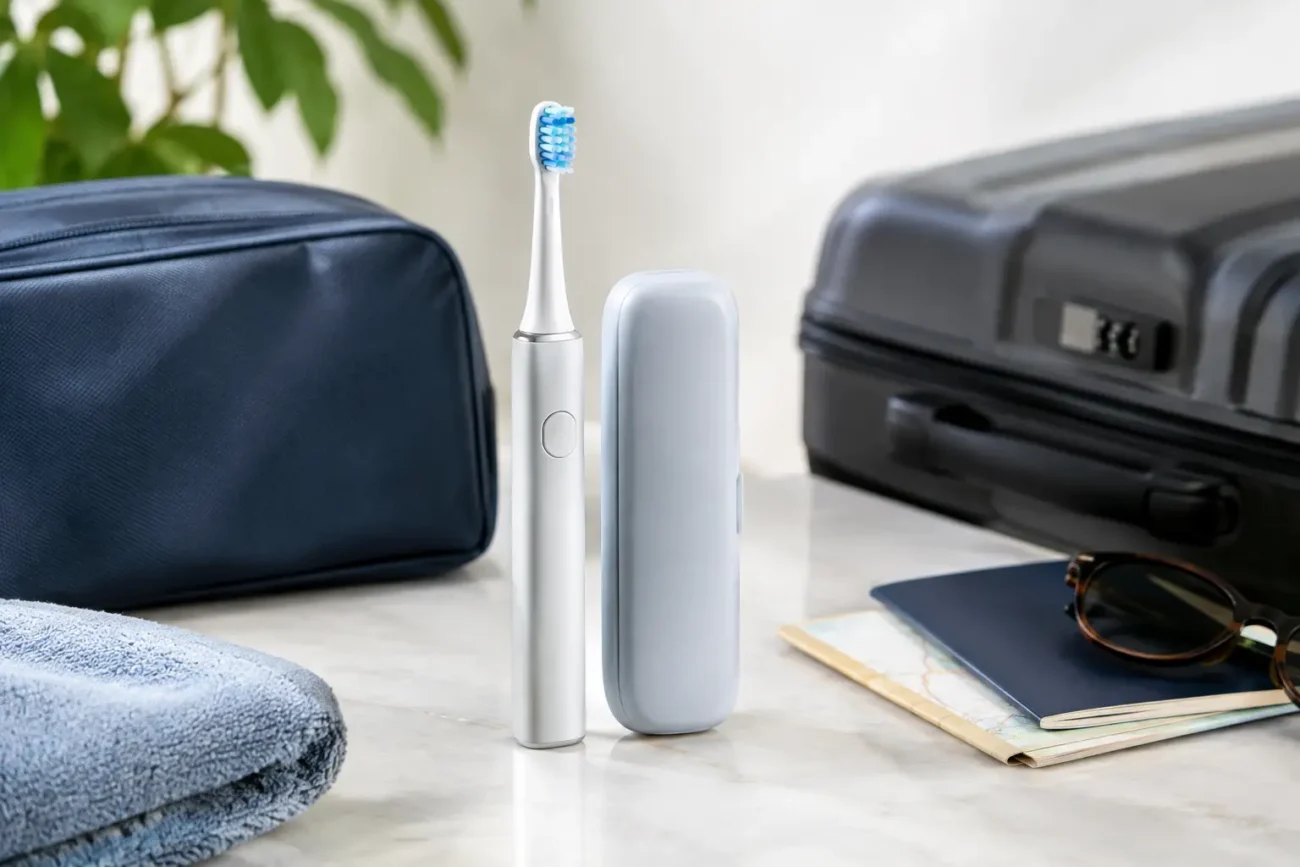
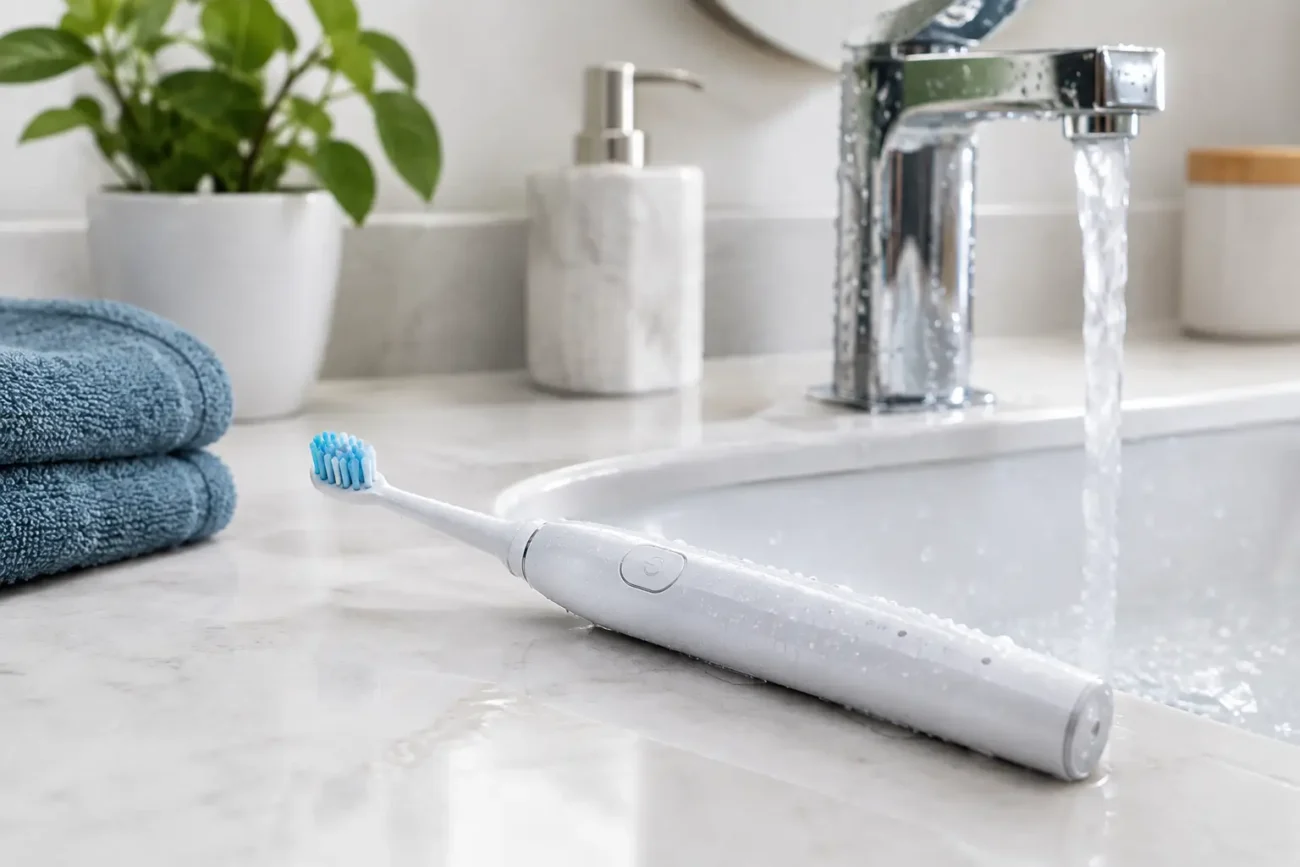
There are trade-offs to consider. Bamboo components need sensible care: dry the handle after use and avoid leaving it submerged in water. An electric brush also requires charging, and some people prefer the simplicity and travel-friendliness of a manual option. If you travel frequently, a long battery life or a reliable charging plan makes a real difference.
The features that support a more thorough clean
More cleaning modes do not automatically mean better plaque removal. A standard daily-clean setting, a gentle option for sensitive gums and a two-minute timer will suit many people well. The best feature is often the one that encourages good technique without turning brushing into a complicated ritual.
Look for a lightweight handle that is easy to control, a compact head that reaches the back teeth, soft BPA-free vegan bristles and straightforward replacement-head fitting. Noise level can matter in shared homes, while a dependable battery can make an electric brush feel less like another device demanding attention.
It also helps to separate marketing claims from what you can feel and observe. A good brush should leave your teeth smooth after use, make it easier to reach awkward areas and remain comfortable around the gumline. At dental check-ups, your hygienist or dentist can give more personal feedback on plaque build-up and brushing technique.
How to use a powered brush well from day one
Start by letting the brush do the movement. Apply light pressure and hold the head at a slight angle towards the gumline. Move methodically rather than sweeping quickly across several teeth at once. If your brush has a pressure alert, treat it as a helpful reminder, not an optional extra.
For the first week, focus on consistency rather than perfection. Brush for the full two minutes in the morning and before bed, clean between your teeth daily and notice where you tend to rush. People often discover that one side of the mouth or the back teeth receive less attention simply because their usual hand position feels awkward.
The most valuable finding behind an electric toothbrush plaque removal study is not a reason to chase a complicated gadget. It is a reminder that small, repeatable choices – gentle pressure, enough time, a fresh brush head and daily interdental cleaning – give your smile the care it needs. Choose a brush you will be happy to keep by the sink, use it patiently, and let that everyday habit do the quiet work.
Add a review
Your email address will not be published. Required fields are marked *