
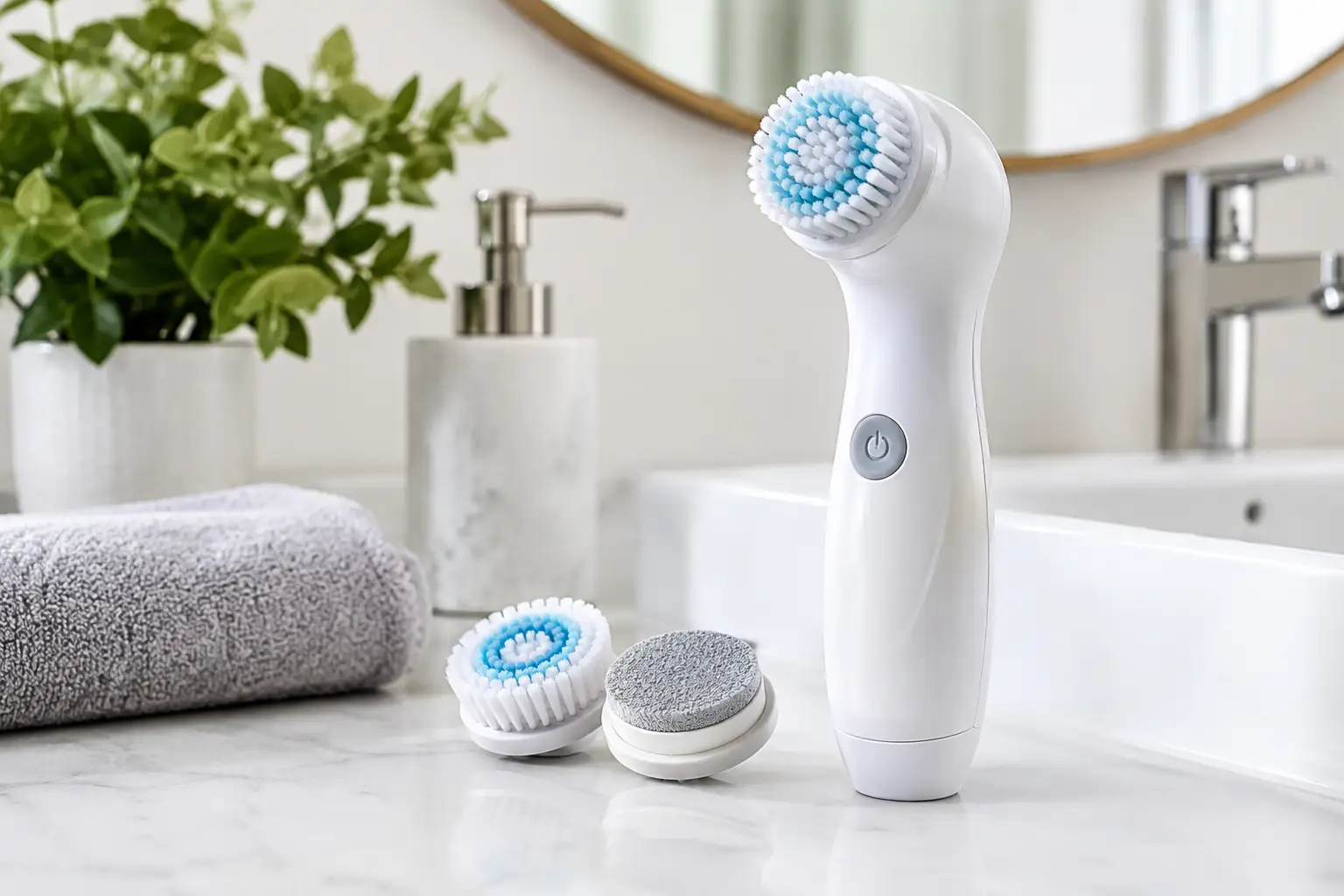
Electric Brush Review: A Better Daily Clean
A toothbrush can sit on your bathroom shelf twice a day for years, so it should do more than look acceptable and get the job done. This electric brush review focuses on the details that make a real difference: how comfortably it cleans, how often it needs charging, whether replacement heads are practical, and how much disposable plastic the routine still creates.
For many people, an electric toothbrush is a small daily upgrade. The timed, powered movement can make it easier to clean consistently, particularly on tired mornings and late evenings when brushing by hand can become rushed. Choosing one with a considered bamboo finish adds another benefit: a natural, minimalist alternative to the bulky plastic handles that dominate most bathroom cabinets.
What makes an electric brush worth choosing?
The best electric brush is not necessarily the one with the highest number of settings. It is the one you will want to use properly, every day. That starts with a handle that feels balanced in the hand and a brush head that reaches comfortably around the gumline and back teeth.
Powered brushing can help take some of the effort out of technique, but it is not a substitute for it. Place the bristles gently against each tooth and guide the brush slowly around the mouth. There is no need to scrub hard. Excess pressure can feel harsh on gums and may wear bristles down sooner, while a lighter touch lets soft bristles do their job.
A rechargeable design is also a practical choice for a household routine. Rather than replacing batteries, you charge the handle and keep using it. Long battery life matters most if you share a bathroom with limited socket space, travel regularly, or simply prefer one less item to remember charging every few days.
Electric brush review: the features that matter most
Soft bristles should still feel thorough
There is a common assumption that firmer bristles mean a deeper clean. In practice, soft bristles are often the more comfortable everyday option, especially for people with sensitive gums or anyone who tends to brush with too much force. They should feel gentle at the gumline without feeling flimsy.
The key is bristle quality and head design rather than stiffness alone. A well-made soft brush head can sweep plaque away effectively when used for the full recommended brushing time. If your gums often feel sore after brushing, switching from medium or hard bristles to soft bristles can make your routine feel far more pleasant.
For teenagers starting with an electric brush, softness is especially helpful. The experience should be simple and comfortable, not overly intense. A compact head and gentle bristles can make it easier to build a reliable habit without turning brushing into a chore.
Cleaning modes are useful when they stay simple
Multiple cleaning modes can be worthwhile, but only when each one has a clear purpose. A standard daily clean mode will suit most people. A gentler mode can be useful for sensitive teeth and gums, while a polishing-focused mode may appeal to people who enjoy a fresher-feeling finish before work, school, or an evening out.
More modes do not automatically mean better results. If a brush has so many options that you are unsure which to select, the feature starts to become clutter. A clean, straightforward control layout fits a calmer bathroom routine and makes the brush easy for adults and teenagers to use.
A timer supports better habits
Two minutes can feel longer than expected when you are brushing without a guide. A built-in timer provides a useful nudge to slow down and give every area of the mouth enough attention. Some brushes also pause at intervals, helping you move between sections rather than spending most of the time on the front teeth.
This is one of the quiet strengths of an electric toothbrush. It brings structure to a task most of us perform on autopilot. You still need to brush twice daily and clean between teeth where appropriate, but a timer helps make those two minutes count.
Replacement heads shape the long-term value
An electric handle is designed to last, but brush heads need regular replacement. That makes replacement-head availability one of the most important parts of any electric brush review. If fresh heads are difficult to find or awkward to fit, the convenience of the system soon fades.
Look for heads that attach securely without requiring force. They should stay in place during brushing, yet come off easily when it is time to swap them. As a general guide, change a brush head around every three months, or earlier if the bristles start to splay.
This is also where a more considered approach to waste matters. Keeping the rechargeable handle and replacing only the head is a more durable model than discarding a complete battery-powered brush. It will not make oral care entirely waste-free, but it can reduce the amount of material being thrown away over time.
Why bamboo design changes the everyday experience
Bamboo is often discussed only as an environmental material, but it has a visual and tactile appeal too. A bamboo electric toothbrush brings warmth to a space usually filled with glossy plastic, charging cables, and bottles. It looks at home beside a neutral soap dish, folded towels, or a simple bathroom tray.
That said, appearance should never be the only reason to choose a brush. The bamboo construction needs to work alongside dependable charging, comfortable grip, and reliable brush-head performance. The strongest designs treat sustainability as an upgrade to daily use, not as a compromise you are expected to tolerate.
Caring for a bamboo handle is uncomplicated. Rinse away toothpaste residue after use, shake off excess water, and store it upright where it can dry. Avoid leaving it submerged or sitting in pooled water. A little everyday care helps the handle continue to look clean and refined.
Who will get the most from a rechargeable electric brush?
A rechargeable electric brush is a strong fit for first-time electric toothbrush users who want guidance without a complicated device. It also suits experienced users who are ready to move away from oversized plastic handles and disposable batteries.
If you have very sensitive teeth, choose a brush with soft bristles and a gentler cleaning option. If you travel frequently, battery life and a compact form matter more than extra modes. For shared homes, replacement-head availability and a simple charging routine are usually the deciding factors.
It depends, too, on what you value most. A manual bamboo toothbrush remains a brilliant low-tech choice for light packers and anyone who prefers complete simplicity. An electric option makes more sense when you want timed brushing, powered movement, and the reassurance of a rechargeable daily tool.
A practical checklist before you buy
Before adding an electric brush to your basket, consider these four everyday questions:
- Does it have soft bristles that feel comfortable along your gumline?
- Will the battery fit your routine without constant charging?
- Can you easily order compatible replacement brush heads?
- Does the handle feel good to hold and look at in your bathroom?
Price matters, of course, but the lowest initial cost is not always the best value. Consider the ongoing cost and availability of replacement heads, as well as how likely you are to keep using the brush consistently. A well-designed rechargeable brush can become a dependable part of your morning and evening routine rather than another gadget at the back of a cupboard.
MAXDENT’s bamboo electric toothbrush approach is built around that balance: practical cleaning performance, soft-bristle comfort, rechargeable convenience, and a more natural-looking material choice. It is designed for people who want their everyday essentials to work well and look considered.
The right brush should leave your mouth feeling clean, your gums comfortable, and your bathroom a little less dependent on disposable plastic. Choose the one that makes the better habit feel easy to keep.
Add a review
Your email address will not be published. Required fields are marked *