
Low Waste Oral Care Guide for Everyday Smiles
A bathroom bin can fill with more oral-care plastic than most of us realise: worn toothbrushes, used floss containers, empty toothpaste tubes and disposable picks. This low waste oral care guide is about changing that pattern without making your morning and evening routine feel complicated. The best choices are the ones you will use consistently – gentle on gums, effective on plaque and easy to keep by the sink.
Low-waste care is not about keeping one toothbrush past its useful life or buying every package labelled green. It is about using less disposable material over time, choosing components thoughtfully and replacing only what genuinely needs replacing. Your smile still comes first.
Start with the tool you use twice a day
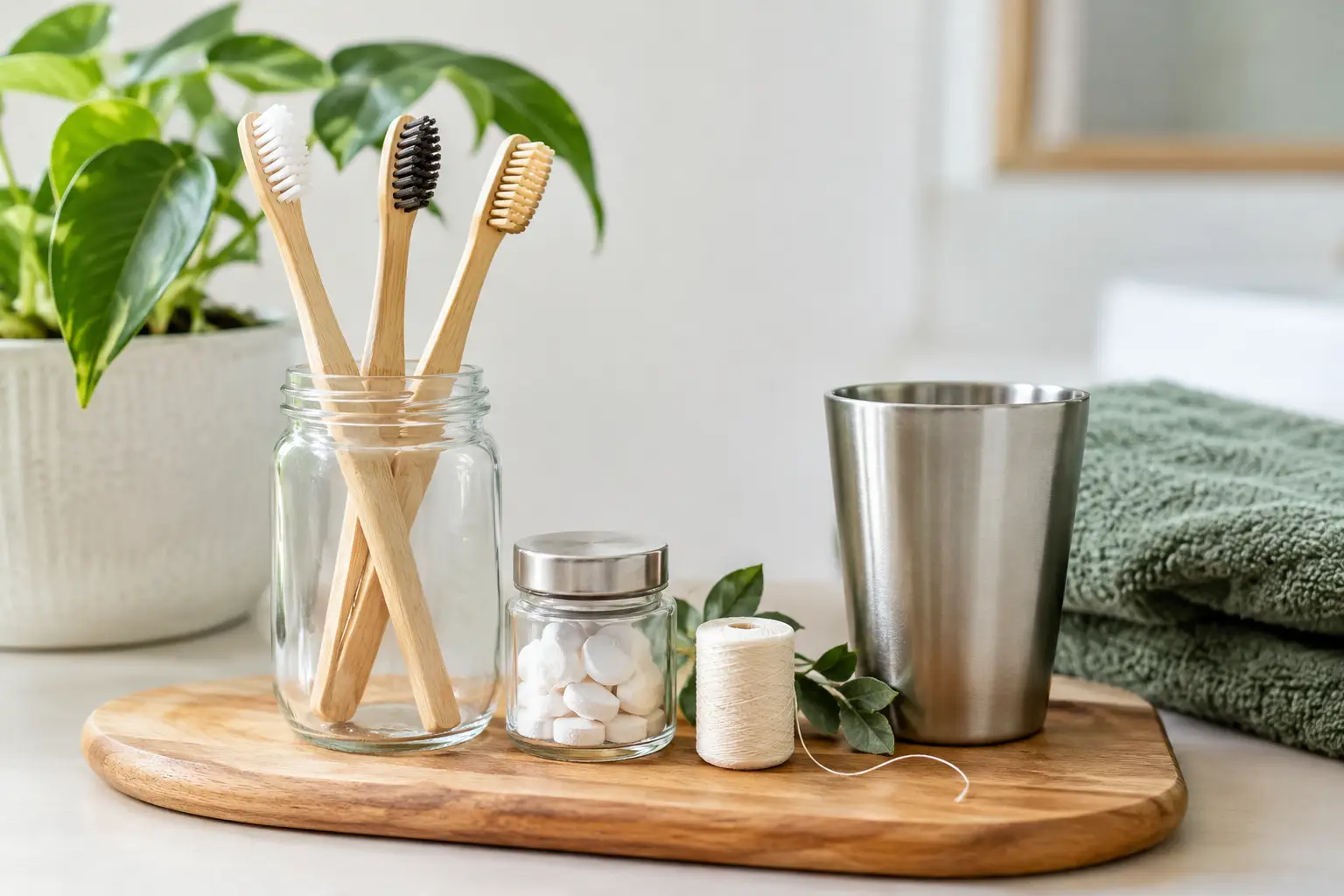
Your toothbrush is the most practical place to begin. A conventional plastic toothbrush is small, but it is replaced regularly and is usually made from mixed materials that are difficult to recycle through household collections. Swapping to a bamboo-handled manual toothbrush cuts down the amount of plastic in that regular purchase while bringing a calmer, natural look to the bathroom counter.
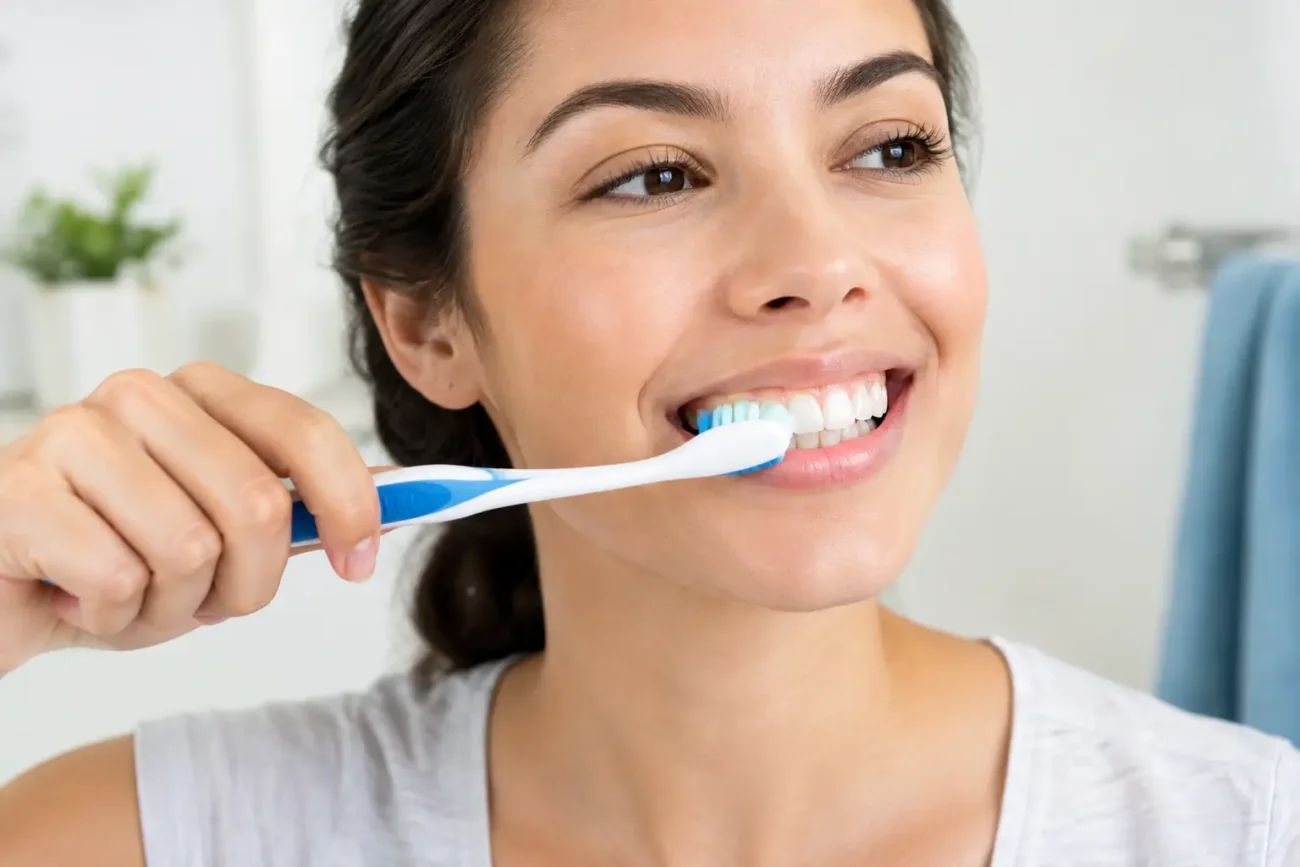
Choose soft bristles unless a dental professional has advised otherwise. Soft bristles can clean thoroughly when paired with gentle pressure and a full two minutes of brushing, while being kinder to gums and enamel. A charcoal-infused bristle option can suit people who enjoy a clean, minimalist brush design, but the essentials remain the same: a comfortable head size, reliable bristle arrangement and a handle you can control easily.
Bamboo is a material choice, not a reason to compromise on brushing quality. Keep a bamboo toothbrush upright in a dry, ventilated holder rather than leaving it in a puddle or sealed travel case. Letting it dry between uses helps the handle stay in good condition.
Replace your brush when the bristles begin to splay, typically about every three months, or sooner after illness. Stretching its life beyond that is not a low-waste win if it no longer cleans well.
Choose refillable thinking, even with electric brushing
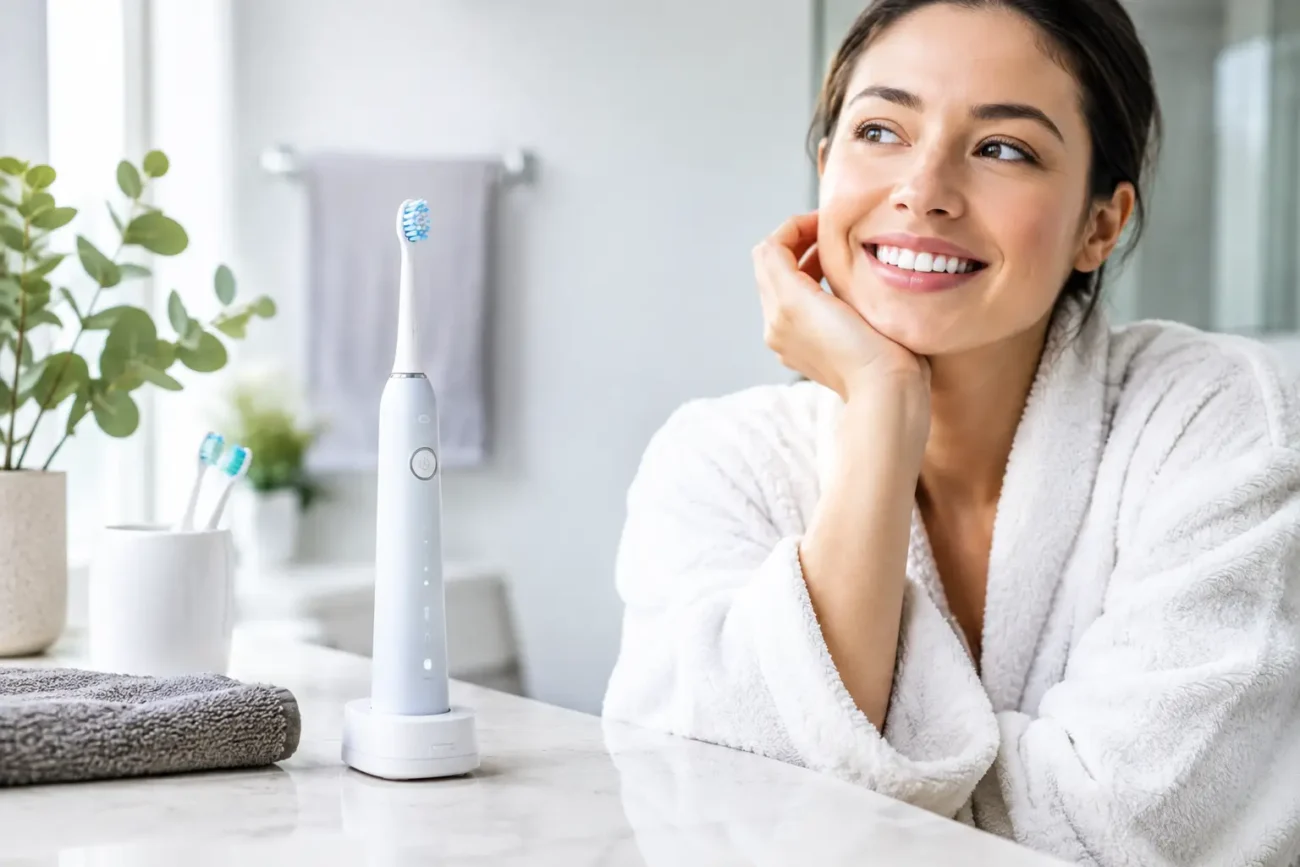
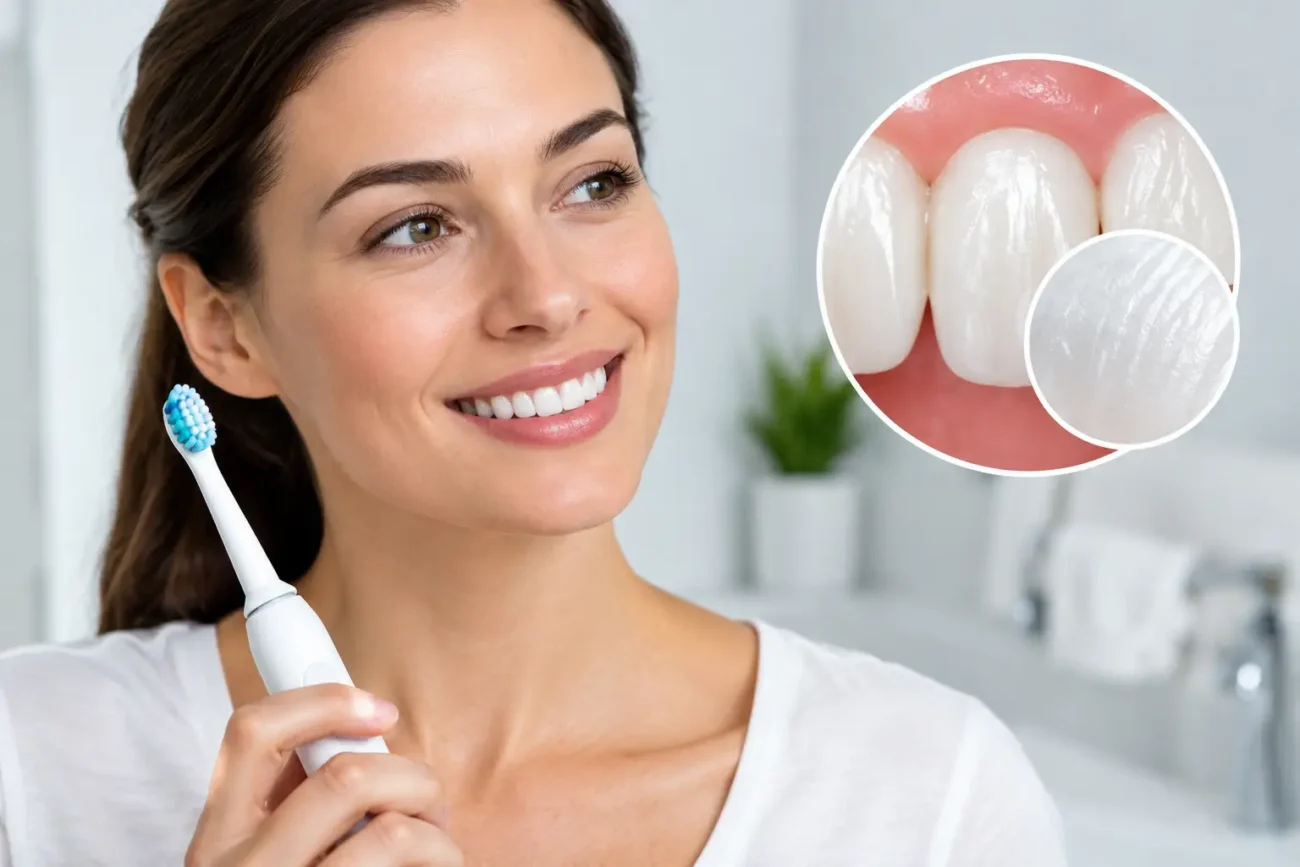
An electric toothbrush can be a lower-waste choice over the long term when you keep the handle and replace only the brush head. This matters particularly for people who find powered brushing helps them reach every area of the mouth, stick to a two-minute routine or maintain a lighter touch along the gumline.
Look for a rechargeable model rather than one powered by disposable batteries. A compact rechargeable bamboo electric toothbrush brings the convenience of multiple cleaning modes and a long-lasting battery to a more considered bathroom essential. The bamboo finish also offers a welcome change from the bulky, glossy plastic handles that tend to dominate the category.
The key is replacement-head availability. A durable handle is useful only if compatible heads remain easy to order, fit securely and perform comfortably. Keep the charger with the handle, charge as needed rather than out of habit, and clean the base occasionally so moisture and toothpaste residue do not build up.
Electric brushing is not automatically the greener option for every person. A simple manual bamboo toothbrush has fewer components and no charging needs. But if an electric brush helps you brush better and you use the same handle for years, it can be a sensible, practical choice. The lowest-waste routine is one that supports good oral health for the long run.
Make toothpaste and floss swaps that suit your routine
Toothpaste is often the trickiest swap because formula, fluoride level and texture matter. If you are prone to cavities, ask your dentist or hygienist before changing from a fluoride toothpaste that works for you. Low waste should never mean skipping fluoride where it is recommended.
A toothpaste tablet, powder or paste in lower-plastic packaging may reduce tube waste, but only choose a format you will genuinely use twice daily. Some people love tablets for travel and tidy storage; others prefer the familiar feel of a paste. Consistency matters more than novelty. If you keep using a standard tube for now, use every bit before replacing it rather than discarding half-full packaging.
Floss deserves the same thoughtful approach. Avoiding interdental cleaning altogether is not a sustainable solution, because preventing dental problems is always preferable to treating them. Consider floss in a refillable glass or metal dispenser, or select a lower-plastic refill option where available. The best type depends on the spaces between your teeth, dental work and comfort. For larger gaps, interdental brushes may be more effective, and a dental professional can help you choose the right size.
Mouthwash can be optional for many people. If you use it on professional advice, choose the right formula first and packaging second. A large bottle can sometimes create less packaging per use than several small ones, provided you will finish it before its expiry date.
A low waste oral care guide for the bathroom
The small habits around your products make a noticeable difference. Begin by using what you already own. Throwing away unopened plastic toothbrushes, toothpaste or floss purely to start fresh creates waste rather than preventing it. Finish them, then replace each item thoughtfully as it runs out.
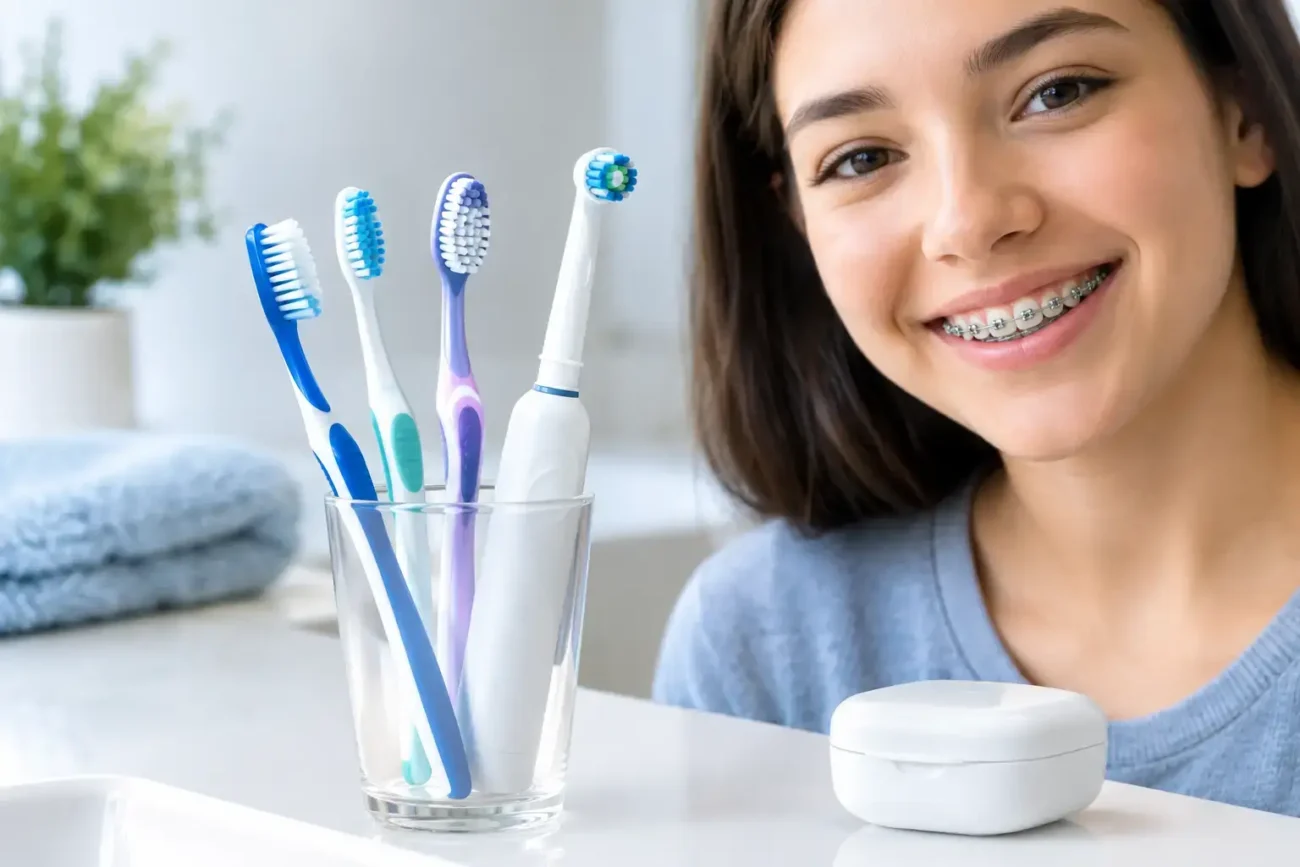
Store oral-care essentials where they are visible and easy to use. A simple cup or holder keeps brushes upright, dry and ready for the next routine. If several people share a bathroom, give each brush a separate space so heads do not touch. A neat setup is more likely to stay part of everyday life.
Avoid single-use extras unless they meet a genuine need. Individually wrapped travel toothbrushes, mini toothpaste tubes and disposable floss picks can be convenient, but a reusable travel case, a standard brush and a small refillable container are often enough for weekends away or longer holidays. For electric brush users, check battery life before packing and take the charger only when necessary.
When it is time to dispose of a brush, check the materials first. Bamboo handles and synthetic bristles do not break down at the same rate, so do not assume the whole brush can go into home compost. Remove the bristles if practical and follow local waste guidance for the remaining handle. Recycling schemes and rules vary by council, so clear instructions are better than hopeful guessing.
Keep the routine effective, not performative
A beautifully designed bamboo brush is useful because it makes a daily habit feel considered, not because it turns oral care into a perfect zero-waste project. There are unavoidable trade-offs. Bristles need to be durable and hygienic. Toothpaste needs to protect teeth. Replacement heads need secure fittings. A practical lower-waste routine accepts these realities and focuses on reducing unnecessary disposables.
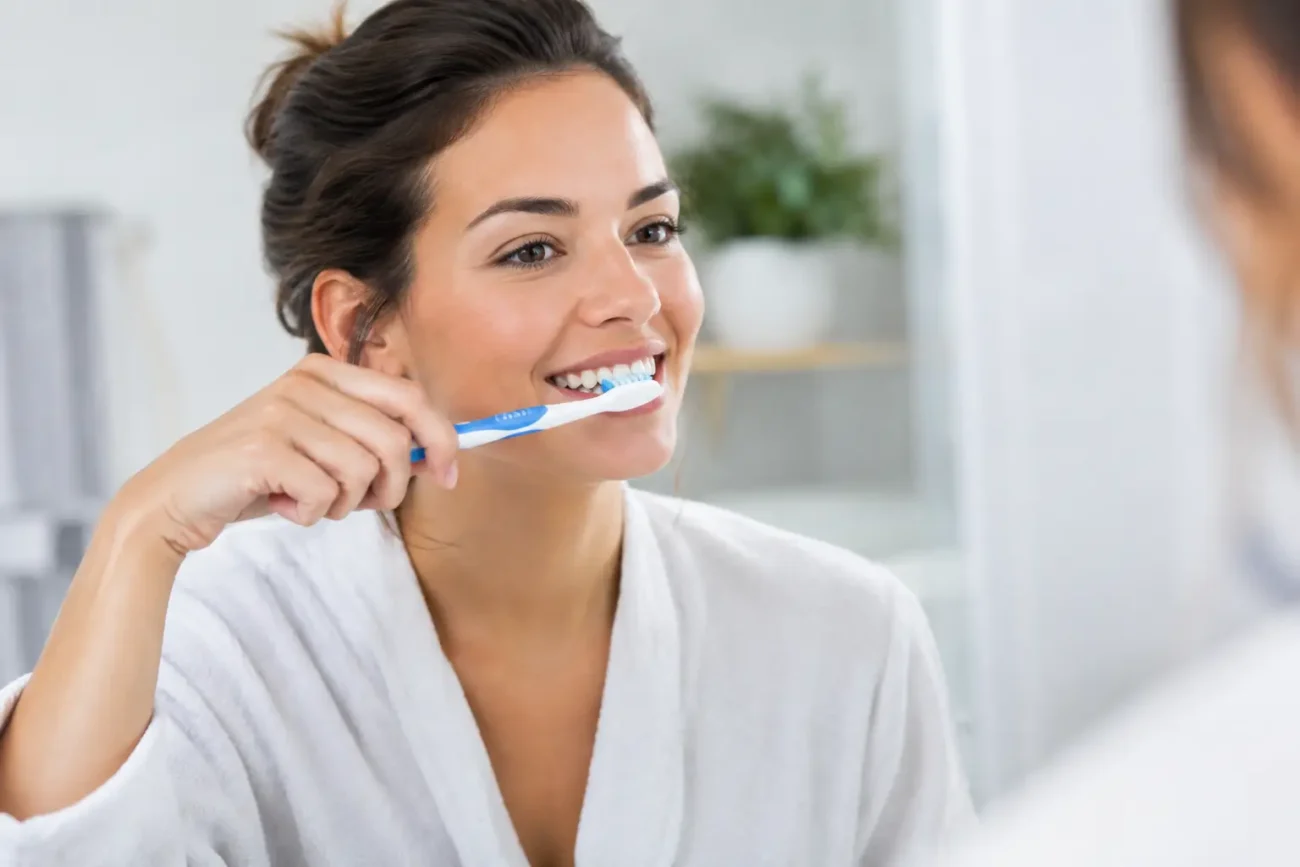
Brush for two minutes, twice a day, with fluoride toothpaste where appropriate. Clean between teeth daily. Use gentle pressure, particularly at the gumline, and attend regular dental check-ups. These habits can help prevent issues that demand more materials, more appointments and more expense later.
If you are building a household routine, make the change simple. Choose brushes that feel comfortable for adults and teenagers, keep replacement heads or manual brushes on hand, and avoid turning sustainability into a source of guilt. One well-chosen swap that lasts is more valuable than a cupboard full of unused eco products.
MAXDENT brings this practical balance to the bathroom with bamboo manual brushes, rechargeable electric options and replacement heads designed for reliable everyday use. The aim is not a stripped-back routine that asks you to settle for less. It is a cleaner-looking, lower-plastic setup that still feels comfortable every morning and night.
Your next toothbrush replacement is a quiet opportunity to choose differently. Pick a brush you enjoy using, care for it properly and let that small, repeated habit do what the best sustainable choices do: make everyday life feel a little lighter without asking you to compromise on your smile.
Add a review
Your email address will not be published. Required fields are marked *