
Your Guide to Gum Recession Brushing Safely
A toothbrush can leave your mouth feeling fresh while still being too harsh for your gums. If your teeth appear longer than they once did, you notice sensitivity near the gumline, or your gums seem to be pulling back, changing your brushing routine is a sensible first step. This guide to gum recession brushing focuses on a gentler clean that protects vulnerable areas without compromising the everyday freshness you want.
Gum recession is not something to brush away. Lost gum tissue does not usually grow back on its own, so persistent changes need professional assessment. But the way you brush can help avoid further irritation, reduce plaque around the gumline, and make daily care feel much more comfortable.
What gum recession can look and feel like
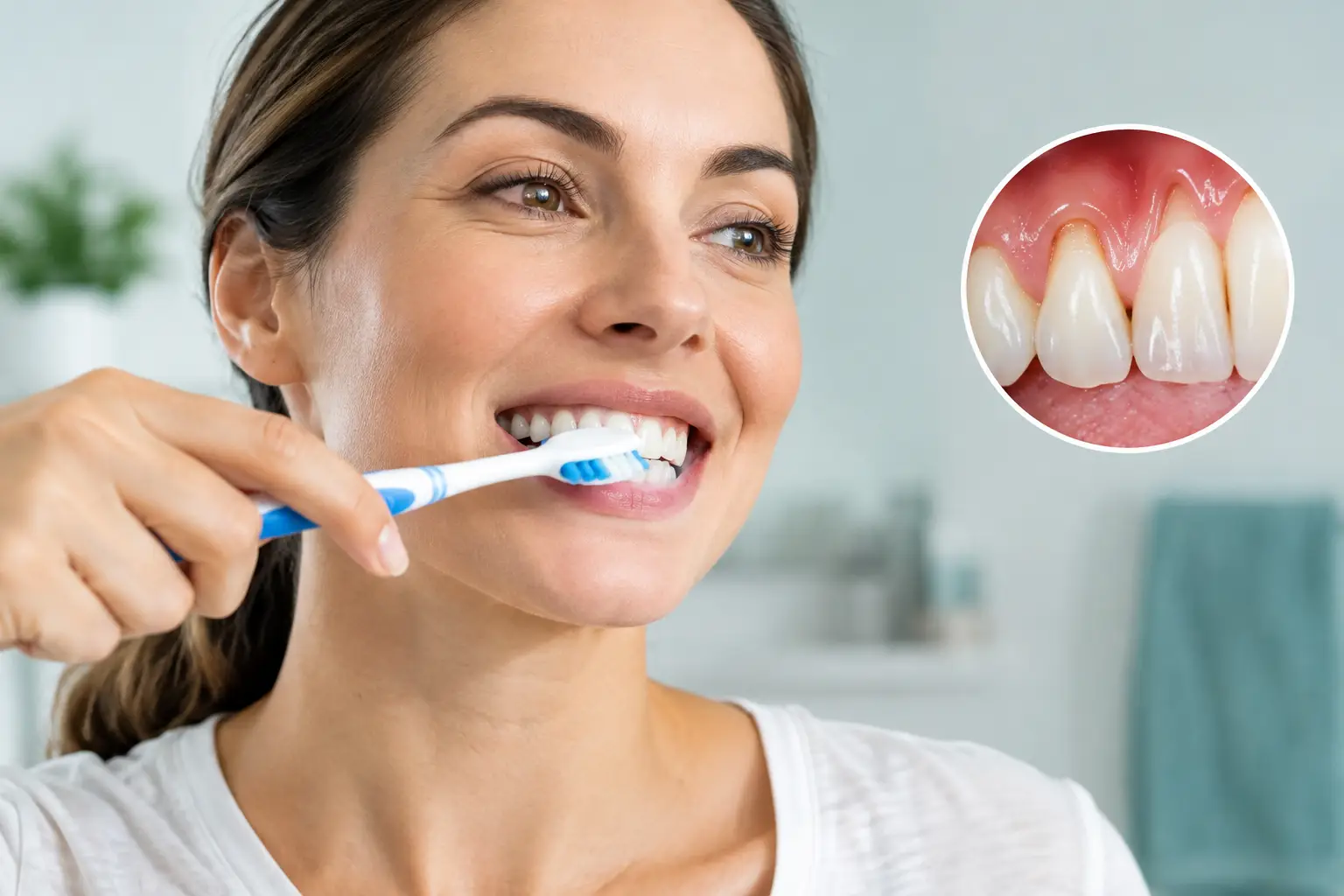
Recession happens when the gum margin moves away from the tooth, exposing more of its surface and sometimes the root. You may see small notches at the gumline, notice that one tooth looks longer than its neighbours, or feel a sharp response to cold water, sweet foods, and brushing.
Several factors can be involved. Gum disease and plaque build-up are common causes, but a firm brushing habit, a hard-bristled brush, smoking, teeth grinding, a lip or tongue piercing, and naturally thin gum tissue can also play a part. Even excellent brushers can develop recession, particularly where teeth sit prominently in the jaw.
That is why it helps to avoid self-diagnosis. If bleeding, tenderness, bad breath, loose teeth, swelling, or new sensitivity are present, book a dental appointment promptly. Brushing gently supports gum health, but it cannot treat active gum disease or replace tailored advice from a dentist or hygienist.
Choose a brush that is kind to the gumline
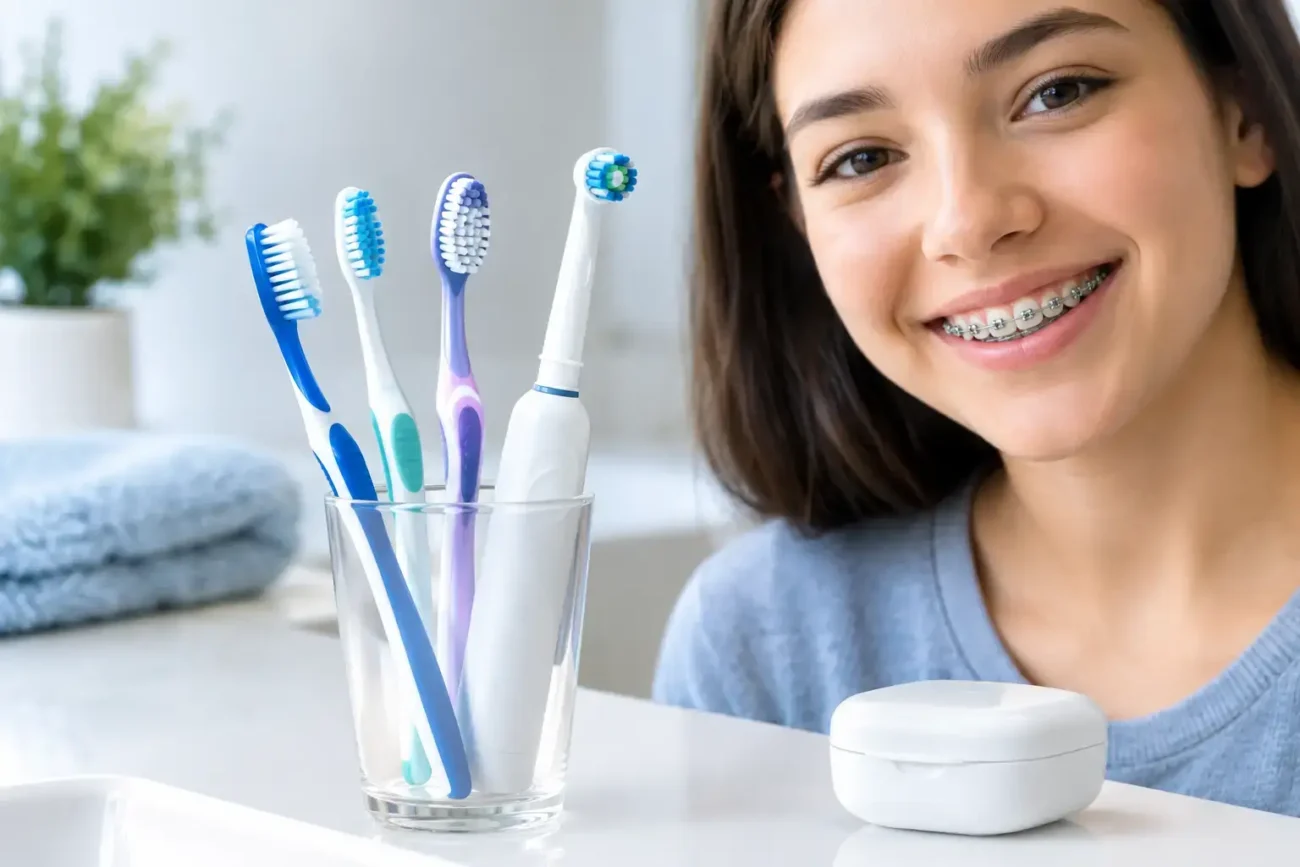
The best brush for recession is rarely the firmest one. Soft bristles are usually the more comfortable and sensible choice because they can flex around the tooth and gumline without scraping delicate tissue. Ultra-soft bristles may suit people with pronounced sensitivity, recent dental work, or very tender gums, although the right option depends on how well they remove plaque for you.
A compact head can make it easier to reach the backs of front teeth and the far corners of the mouth without over-stretching your cheeks or forcing the brush into place. Replace the brush head or manual brush when bristles begin to splay. Bent bristles do not clean precisely and can encourage you to press harder.
A bamboo toothbrush can be a practical fit for a lower-plastic routine, provided it has soft, well-finished bristles and feels secure in your hand. The goal is not a dramatic scrub. It is steady control, a clean gumline, and a brush you will happily use twice a day.
Manual or electric: which is better?
Either can work well. A manual brush offers simple, direct control and lets you slow down around sensitive spots. An electric brush can make consistent plaque removal easier, especially when it has a gentle mode, a small head, and a pressure sensor or timer.
The trade-off is technique. A powered brush should rest lightly against each tooth rather than being moved back and forth with force. If using an electric brush makes you feel that you are doing more work, pause and lighten your grip. The brush supplies the movement; your job is to guide it carefully.
For a refined, low-waste bathroom routine, a rechargeable bamboo electric toothbrush with soft replacement heads can pair everyday convenience with a natural finish on the counter. MAXDENT’s approach is built around that balance: comfortable cleaning performance with less reliance on disposable plastic.
Guide to gum recession brushing: the gentle technique
Brush twice daily for two minutes with fluoride toothpaste. The most useful change is often not the brand of toothpaste or the shape of the handle. It is reducing pressure at the gumline.
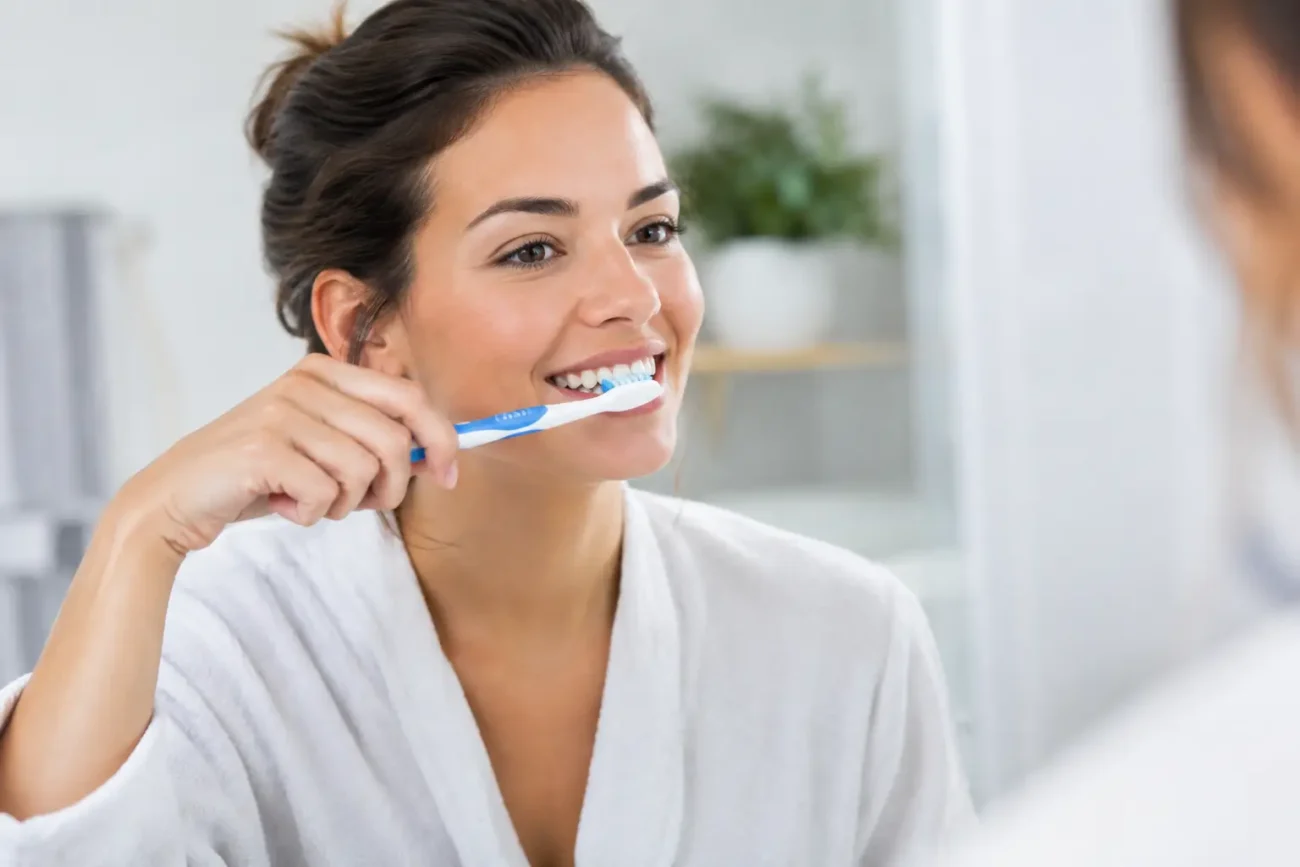
Start by holding the handle as you would hold a pen, rather than gripping it in your fist. This naturally limits force. Place the bristles at roughly a 45-degree angle where the tooth meets the gum, then use tiny, controlled circular motions. Think of polishing the area, not scouring it.
Work methodically around the mouth: outer surfaces, inner surfaces, then chewing surfaces. Spend a little extra time where recession or plaque tends to collect, but do not repeatedly attack one sensitive patch. Repeated friction in the same place can make soreness worse.
On inner lower front teeth, keep the brush nearly vertical and use gentle up-and-down strokes with the tip of the head. For the inner upper front teeth, angle the brush in the same controlled way. These areas are easy to miss, yet they are also where plaque can build up quickly.
After brushing, spit out excess toothpaste but avoid rinsing immediately with water. Leaving a thin layer of fluoride toothpaste in the mouth gives it more time to support enamel. If your dentist has recommended a sensitive toothpaste, use it consistently rather than switching products every few days.
Pressure matters more than speed
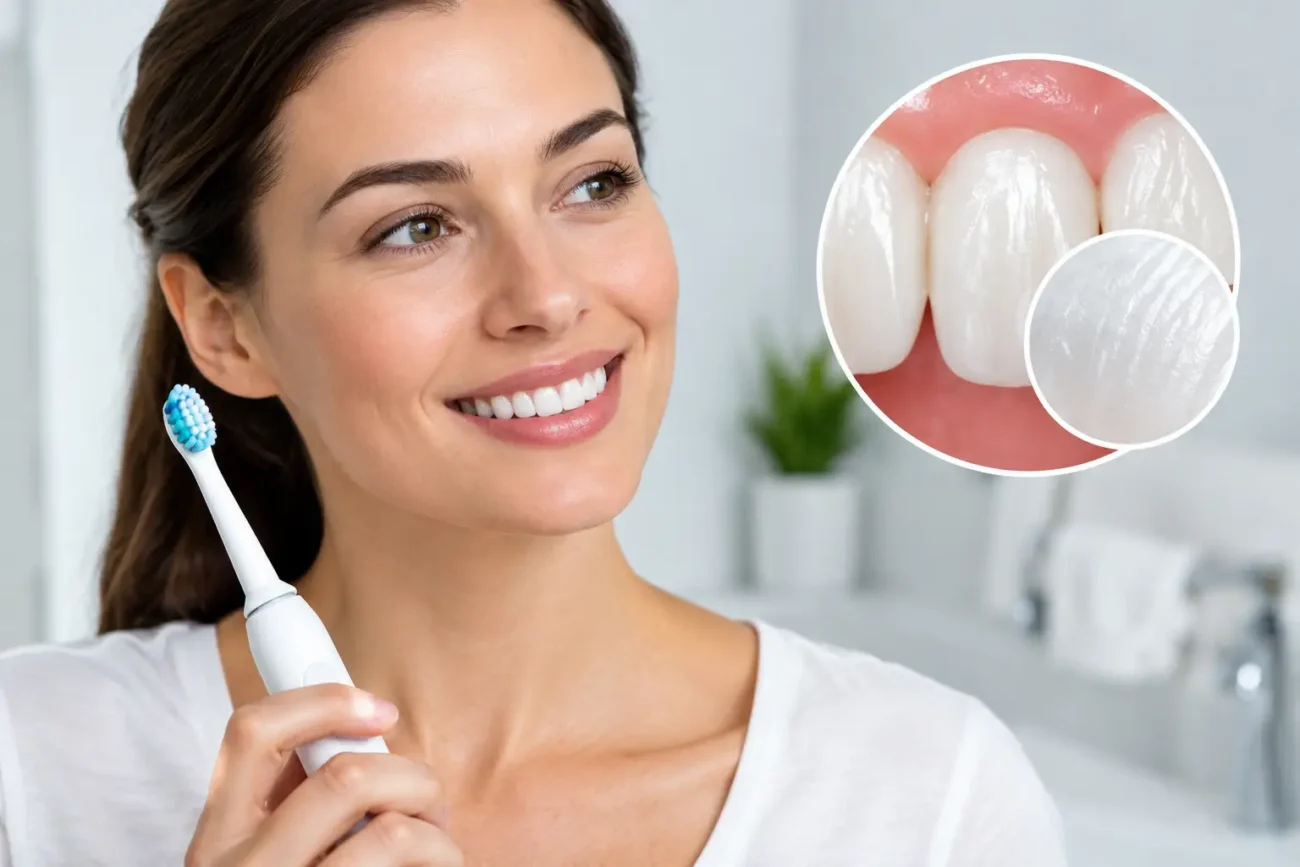
More pressure does not mean a better clean. It can flatten bristles, wear the tooth surface near the gumline, and aggravate exposed roots. If your brush looks frayed well before its recommended replacement time, that is a useful sign to soften your technique.
You may also find it helpful to brush in front of a mirror for a week. Watch whether the gums blanch or the bristles visibly bend against the teeth. A lighter touch can feel unusual at first, especially if you associate scrubbing with cleanliness. With proper coverage and two full minutes, gentle brushing is effective brushing.
Build a routine that supports sensitive gums
Brushing is only one part of protecting receding gums. Clean between teeth once a day using interdental brushes, floss, or another method recommended by your dental professional. Interdental brushes are often especially useful where there are wider gaps, but they must be the correct size. Forcing a brush through a tight space can cause trauma.
Consider these daily habits alongside your brushing technique:
- Use fluoride toothpaste and ask your dentist whether a higher-fluoride or sensitivity formula is suitable for exposed roots.
- Wait around 30 minutes after acidic drinks, citrus fruit, wine, or fizzy drinks before brushing. Acid temporarily softens tooth surfaces, and brushing straight away can increase wear.
- Keep acidic drinks to mealtimes where possible, and choose water between meals.
- If you clench or grind your teeth, ask about a night guard. Pressure from grinding can worsen tooth wear and strain gum tissues.
- Attend regular dental and hygiene visits, particularly if you have noticed a recent change in your gums.
Smoking and vaping can complicate gum health too. They may affect healing and make gum disease harder to spot because bleeding can be reduced or masked. If stopping feels difficult, a dental team or pharmacist can point you towards support.
Common brushing mistakes to avoid
The first is using a medium or hard brush because it feels cleaner. Clean teeth should feel smooth, not scraped. Soft bristles paired with a careful technique are generally a more gum-friendly choice.
The second is brushing horizontally across the gumline with long, forceful strokes. This concentrates friction where gums and exposed roots need the most care. Small circles and light pressure are a better default.
The third is chasing a brighter smile with abrasive whitening products. Some people can use whitening toothpaste comfortably, while others find it increases sensitivity. If recession has exposed root surfaces, speak to your dentist before making whitening part of your daily routine.
Finally, do not ignore bleeding because you have started brushing more gently. Healthy gums should not bleed regularly. Bleeding can reflect inflammation from plaque, and it deserves professional advice even if it seems mild.
When to book a dental appointment
Arrange a check-up if recession is new, appears to be worsening, or comes with pain or sensitivity. Seek advice sooner if your gums bleed often, you see pus or swelling, a tooth feels mobile, or you have a sore that does not heal. A dentist can check for gum disease, bite pressure, tooth wear, and brushing damage, then recommend the right treatment. That may include a hygiene plan, desensitising products, a protective night guard, or referral to a gum specialist.
A softer brush, a lighter hand, and a routine you can keep are modest changes with real value. Make your two minutes at the sink calm and deliberate: gentle enough for the gumline, thorough enough for every day, and considered enough to create less waste over time.

Add a review
Your email address will not be published. Required fields are marked *