
How to Brush Your Gumline Gently Every Day
Your gumline is where a clean-feeling mouth can be won or lost. Plaque tends to settle where tooth meets gum, but scrubbing harder is not the answer. If you are searching for how to brush gumline gently, the goal is simple: use soft bristles, controlled movement and enough time to clean the area without making your gums feel sore.
A good brush should feel comfortable in your hand and kind to your mouth, whether you prefer a minimalist bamboo manual toothbrush or a rechargeable electric option. Gentle brushing is not a lesser clean. Done well, it is one of the most effective ways to care for teeth and gums every day.
Why the Gumline Needs a Softer Approach
The gumline is a small area with a big job. It is the edge where gum tissue hugs each tooth, creating a natural seal. Food particles and bacteria can collect there, especially behind lower front teeth, around back molars and along the inside surfaces that are easy to rush past.
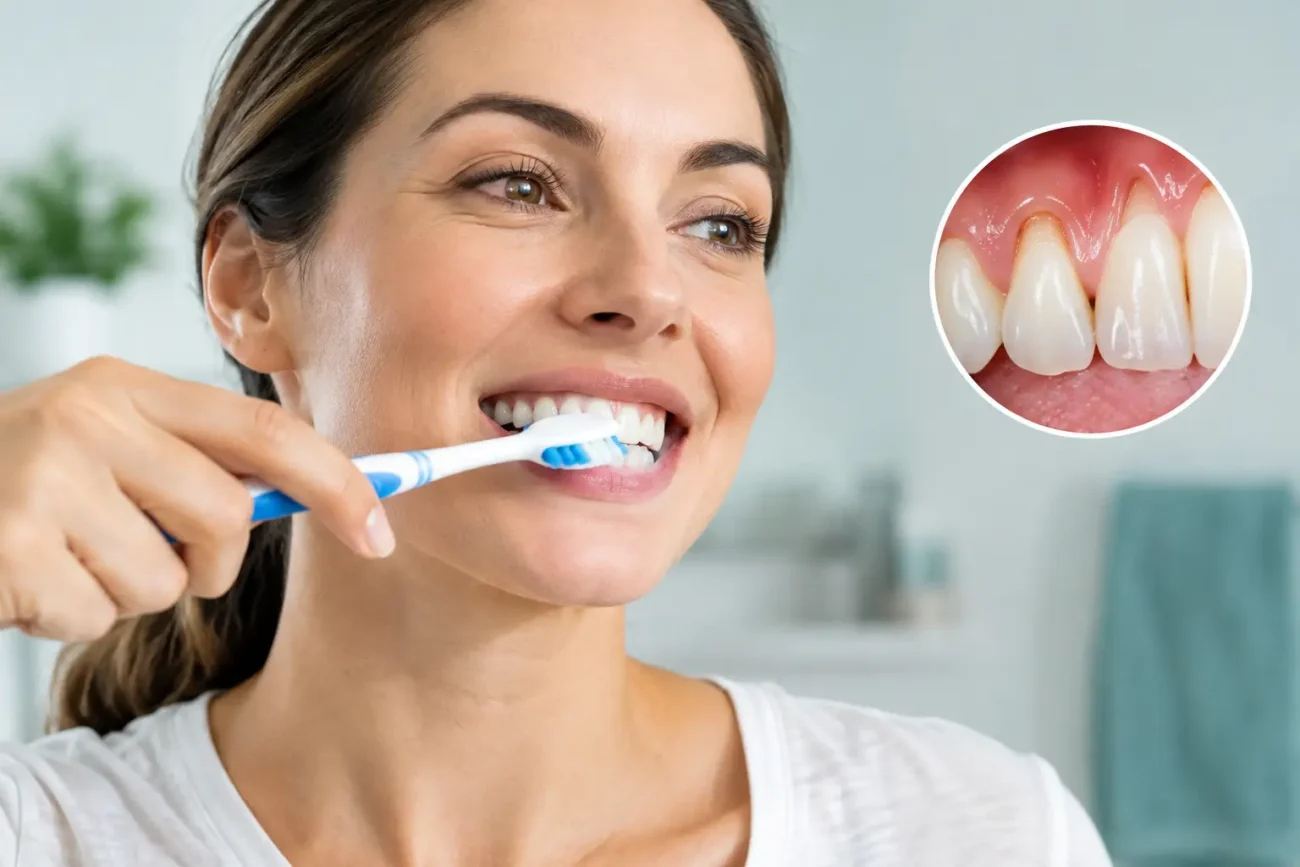
When plaque is left in place, gums may become irritated, tender or prone to bleeding. But overbrushing can also create problems. Firm bristles, excessive pressure and aggressive side-to-side scrubbing may irritate gum tissue and contribute to sensitivity over time.
Think of brushing as polishing, not scouring. You are disrupting a soft layer of plaque, not trying to scrub a stain from a saucepan. Soft bristles can do this thoroughly when they are placed correctly and moved with care.
How to Brush Gumline Gently: The Core Technique
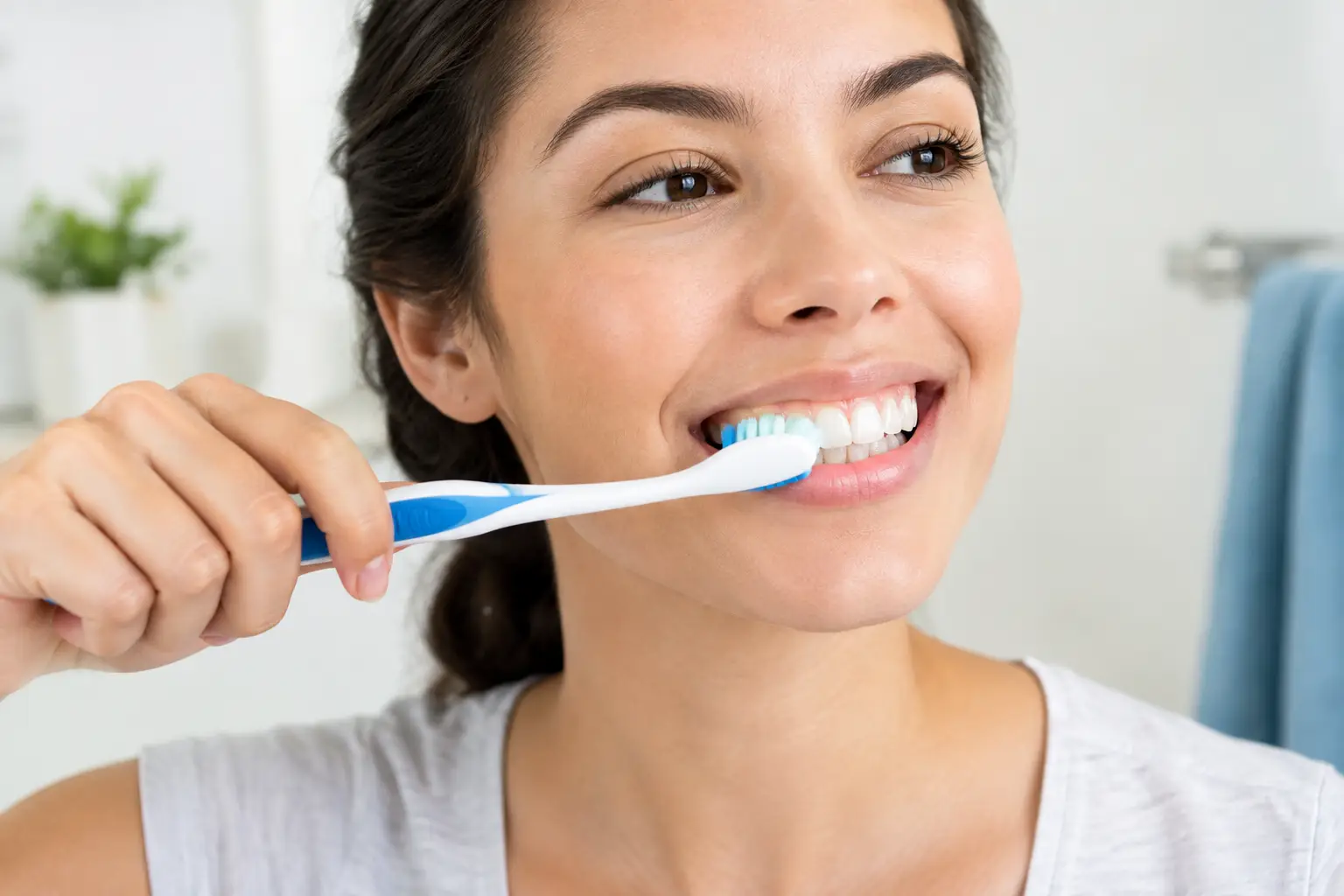
Start by applying a pea-sized amount of fluoride toothpaste to a soft-bristled brush. Hold the handle with a relaxed grip, rather than a closed fist. A light grip naturally reduces pressure and gives you more control.
Place the bristle tips at roughly a 45-degree angle where the tooth and gum meet. This lets the ends of the bristles reach the narrow edge at the gumline without digging into the gums. Then use tiny circular motions or short, gentle sweeps away from the gumline.
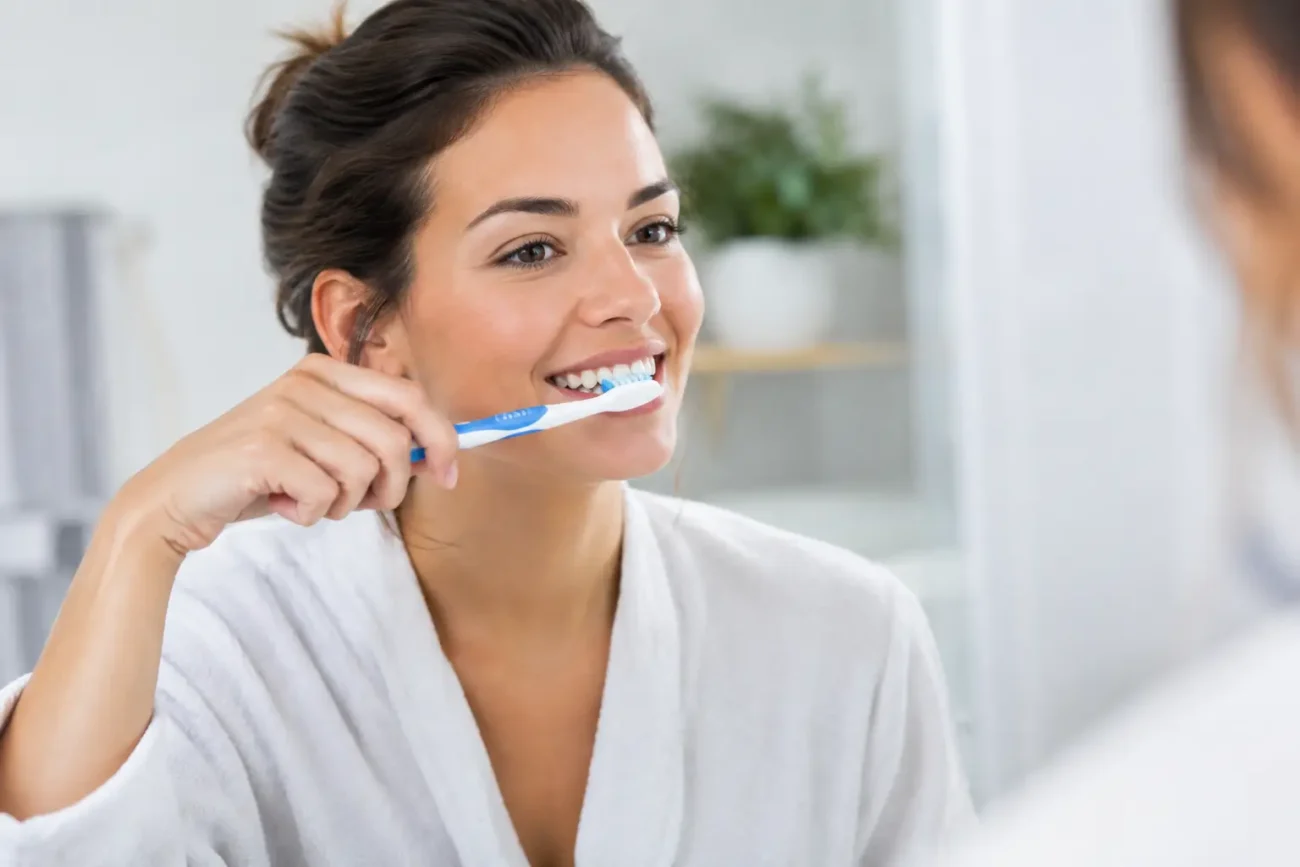
Move methodically around the mouth. Clean the outer surfaces first, then the inner surfaces, before finishing with the chewing surfaces. Spend a little extra time at the gumline of each section rather than brushing one area intensely. Two minutes is a useful target, but careful coverage matters more than racing a timer.
For the inside of your front teeth, turn the brush vertically and use small up-and-down strokes. This angle makes it easier to reach the gumline without pushing too hard. Finish by gently brushing your tongue if you like the fresher feeling, then spit out the excess toothpaste. Avoid rinsing straight away if you can, as this leaves fluoride on the teeth for longer.
Use pressure as your guide
Your bristles should flex slightly, not flatten against your teeth. If the brush head visibly splays during brushing, ease off. The same applies if your gums feel raw afterwards or the handle feels as though you are pressing it into your mouth.
A simple check is to brush with your non-dominant hand for a few seconds. Most people immediately notice how much lighter their natural pressure can be. You do not need to brush this awkwardly every day, but it is a useful reset for a heavy-handed routine.
Let soft bristles do their job
Soft bristles are usually the right everyday choice for gumline care. They can bend into the contours between tooth and gum while remaining comfortable on sensitive areas. Medium or hard bristles may feel satisfying if you associate force with cleanliness, yet that scratchy sensation is not proof of a better clean.
Replace your brush head, or your manual toothbrush, when the bristles lose their neat shape. Frayed bristles clean less precisely and can tempt you to press harder. For most people, that means changing it about every three months, or sooner after an illness or when the bristles visibly wear out.
Manual or Electric: Which Is Gentler?
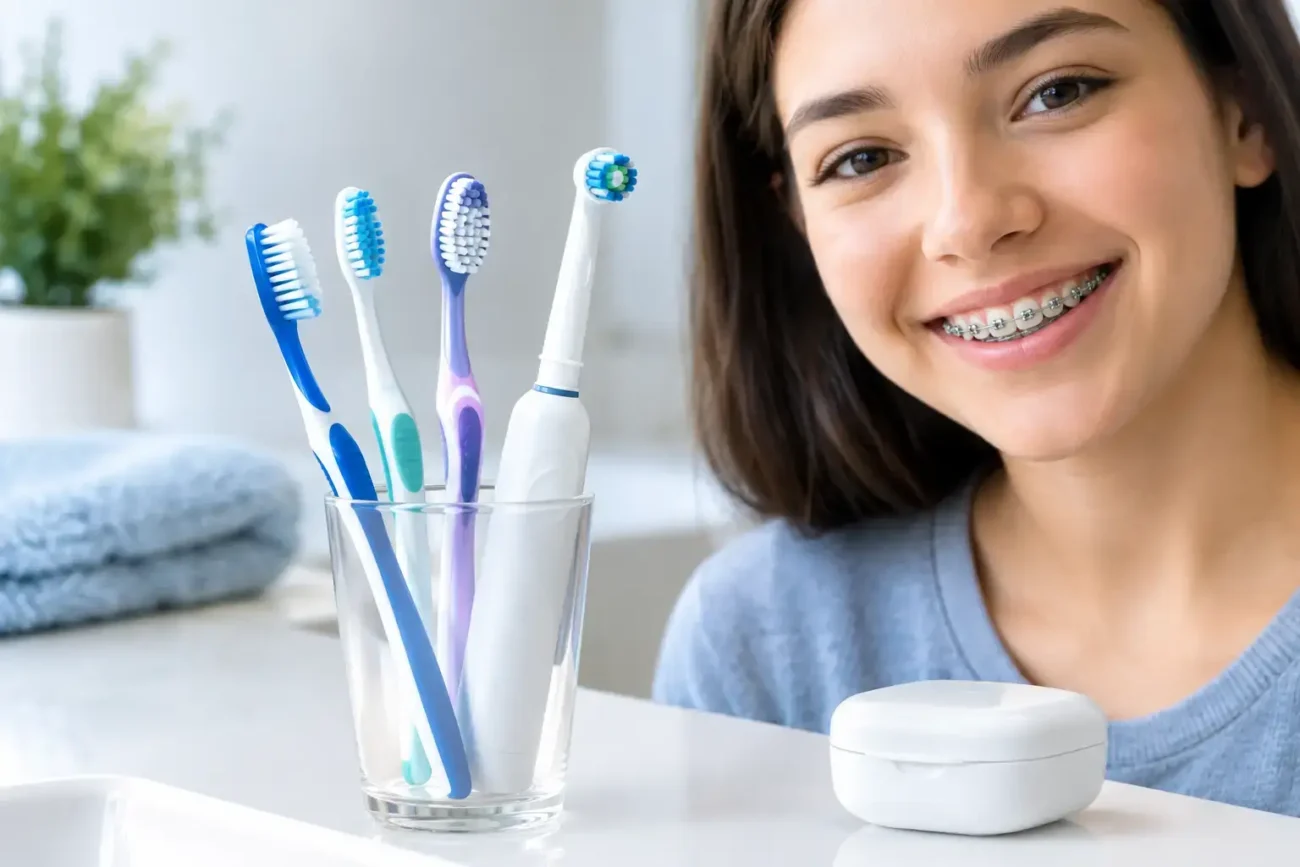
Both can work beautifully. The best choice is the one you will use consistently with good technique.
A manual bamboo toothbrush offers direct control. Its lightweight handle can make it easy to feel how much pressure you are using, while soft bristles support a measured, gentle routine. It is a practical choice for anyone who enjoys a simple, low-plastic bathroom essential that still feels polished on the counter.
A rechargeable electric toothbrush can be especially helpful if you rush, struggle to clean evenly or tend to scrub. The brush movement does much of the work, so your role is to guide it slowly from tooth to tooth. Do not make large scrubbing motions with an electric brush. Rest the bristles at the gumline for a moment, then move on gradually.
If your electric brush has a sensitive or gentle cleaning mode, that may be a comfortable place to start. A pressure sensor is helpful, but it is not essential. You can still brush gently by holding the handle lightly and allowing the bristle tips to make soft contact. MAXDENT rechargeable bamboo electric toothbrushes pair this everyday convenience with replaceable heads, helping reduce the waste of replacing a whole plastic brush each time.
Areas People Often Miss
The front of your teeth is the part you see, so it naturally gets the most attention. The less visible surfaces often need more intention. Give a little care to the inside of lower front teeth, the gumline behind upper back teeth and the tooth surfaces nearest your cheeks.
Do not forget the last tooth on each side. Angle the brush head towards its back surface and clean around the gum edge with short motions. If you wear braces, retainers or have a fixed bridge, plaque can gather around the edges more easily. Smaller, focused movements are usually more useful than extra force.
Brushing alone cannot reach every space between teeth. Cleaning between them once a day with floss or an interdental brush complements gumline brushing, particularly where teeth sit close together or gums have small spaces. The right size and method depend on your mouth, so a dentist or hygienist can offer tailored advice.
What Bleeding Gums Are Trying to Tell You
Seeing a spot of blood can make people stop brushing the gumline altogether. Usually, that leaves more plaque behind and can make the issue persist. If bleeding is mild and new, continue cleaning gently and consistently at the gumline rather than avoiding it.
Bleeding is not something to ignore, though. Speak with a dentist if it continues for more than a week or two, is frequent or heavy, or comes with swelling, pain, bad breath or teeth that feel loose. It is also sensible to seek advice for sudden sensitivity, recession or sores that do not heal. A dental professional can check for causes that a change in brushing alone will not solve.
A Calmer Two-Minute Routine
Morning and night, use a soft brush and a small amount of fluoride toothpaste. Work around the outer gumline with tiny circles, then repeat on the inner surfaces. Clean chewing surfaces last, gently brush your tongue if desired, and clean between your teeth at a separate point in the day.
The best routine is not the most complicated one. It is the one that feels comfortable enough to repeat, including on busy mornings and late nights. Choose a brush you enjoy picking up, replace it before it wears down, and give the gumline the same patient attention you give the smile in the mirror.


Add a review
Your email address will not be published. Required fields are marked *