
Can Electric Toothbrushes Damage Enamel?
A clean-feeling smile should not come at the expense of your enamel. So, can electric toothbrushes damage enamel? Used correctly, no: an electric toothbrush is designed to remove plaque efficiently without the hard scrubbing that can wear teeth and irritate gums. The risk comes from pressure, technique, toothpaste choice and timing – not simply from the brush being electric.
For anyone switching from a manual brush, the change can feel surprisingly powerful at first. That is exactly why a lighter touch matters. Let the bristles and brush movement do the work, and an electric toothbrush can be a comfortable, effective upgrade for everyday care.
Can electric toothbrushes damage enamel with everyday use?
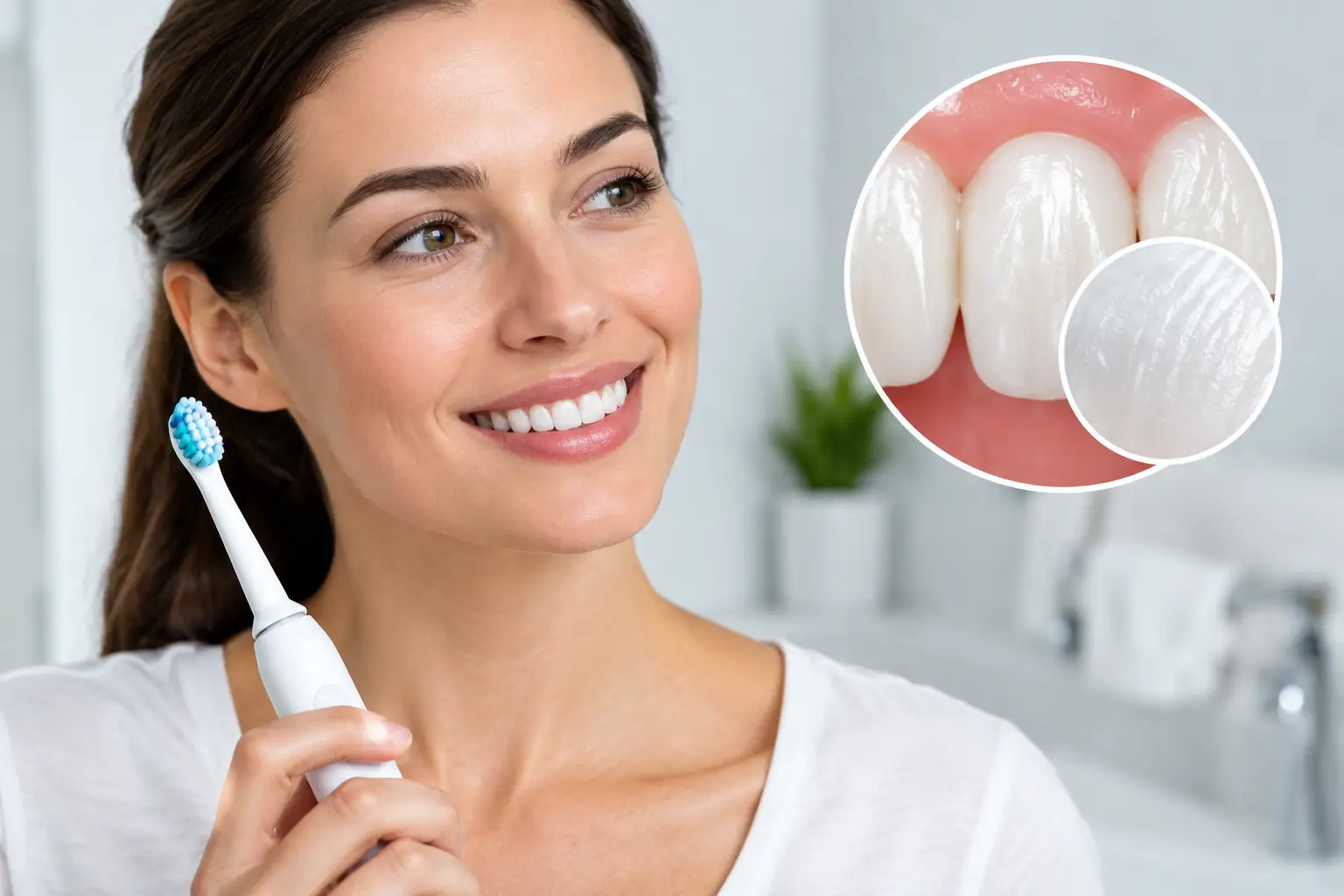
Enamel is the hard outer layer of each tooth. It is remarkably durable, but it cannot grow back once it has been lost. Brushing wear, also called abrasion, tends to happen gradually when teeth are cleaned too forcefully over a long period.
An electric toothbrush does not automatically create that problem. In fact, its consistent movement can help many people stop the back-and-forth scrubbing motion common with manual brushing. The key difference is that an electric brush should be guided slowly around the mouth, not pushed or scrubbed against the teeth.
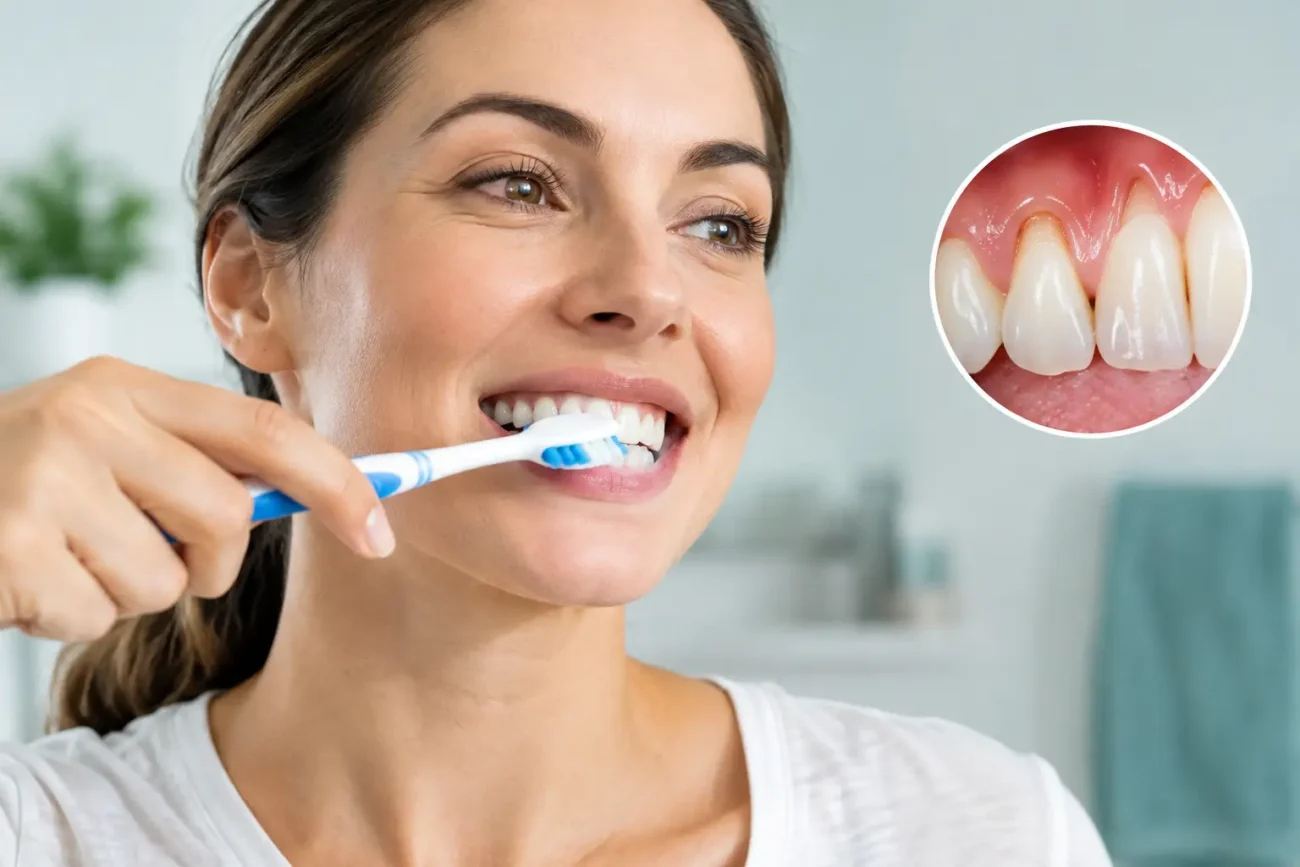
If you press hard, use firm bristles or combine vigorous brushing with a highly abrasive toothpaste, enamel and the gumline can be affected over time. This can show up as sensitivity, teeth that look more yellow as the underlying dentine becomes visible, or small notches near the gums. Those changes deserve a conversation with a dentist rather than a change in brushing force alone.
It also depends on your individual mouth. People with receding gums, existing enamel wear, acid reflux, frequent heartburn, dry mouth or a diet high in acidic drinks may need more tailored advice. A dentist or hygienist can spot early wear and recommend the right routine.
What actually causes enamel wear?
Tooth wear is rarely caused by one habit in isolation. Acid softens enamel, while friction can then remove the softened surface more easily. That is why brushing straight after orange juice, fizzy drinks, wine or a sour snack is not ideal. Rinse with water and wait around 30 minutes before brushing, giving saliva time to help rebalance the mouth.
Pressure is the other major factor. A brush head held tightly against the teeth does not clean better. It bends the bristles, reduces their ability to sweep plaque away and concentrates force at the gumline. Think of an electric brush as a gentle polishing tool, not something that needs elbow power.
Toothpaste can play a part too. Whitening formulas may be suitable for some people, but they can be more abrasive than everyday fluoride toothpaste. If you have sensitivity or visible wear, ask your dental professional which toothpaste is appropriate rather than chasing a brighter result through harsher polishing.
Grinding or clenching can also wear teeth down, especially during sleep. That sort of wear is different from brushing abrasion, but it can make teeth more vulnerable and sensitive. An electric toothbrush cannot cause grinding, yet a gentler routine becomes even more worthwhile when enamel is already under pressure.
How to use an electric toothbrush gently
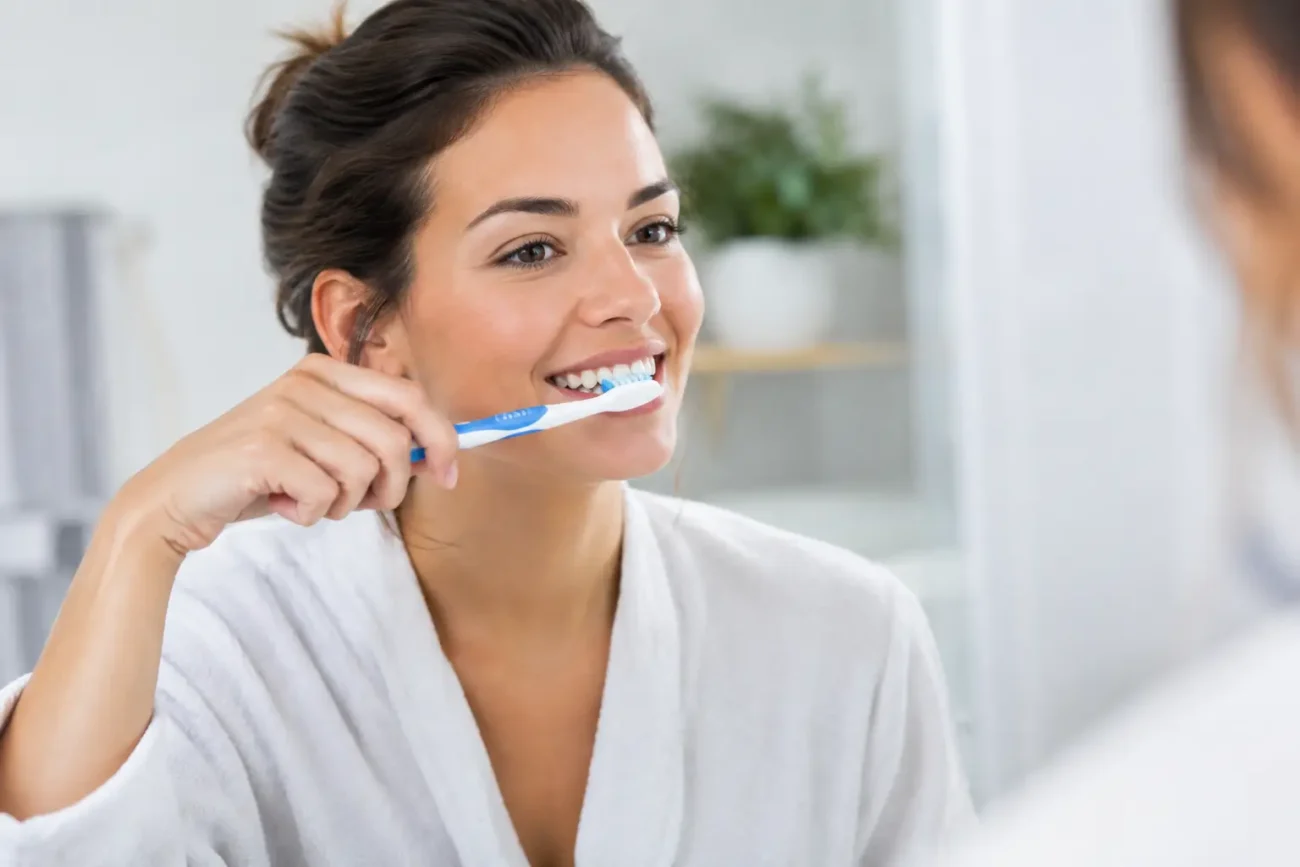
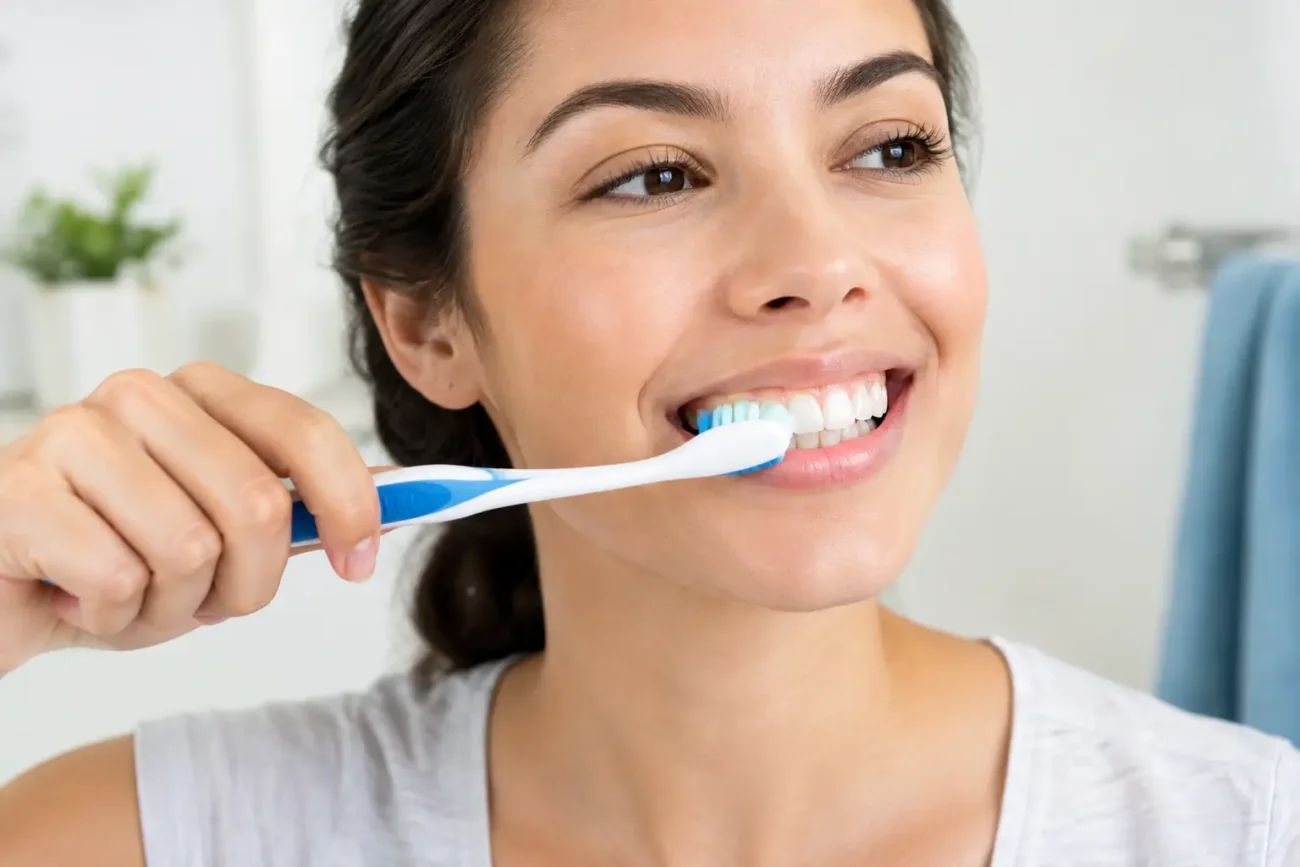
The most effective technique is also the simplest. Apply a pea-sized amount of fluoride toothpaste, place the brush head in your mouth before switching it on, and rest the bristles lightly where the tooth meets the gum. Move methodically from tooth to tooth, allowing the brush to do its own work.
There is no need to make a wide scrubbing movement. On a rotating brush, pause briefly on each tooth surface. On a sonic-style brush, glide slowly along the gumline and outer, inner and chewing surfaces. Two minutes, twice daily, is a useful target, but gentleness matters more than trying to make the brush feel forceful.
A few practical habits make a real difference:
- Choose soft bristles. They flex around teeth and gums while still cleaning thoroughly.
- Use only light pressure. If the bristles flatten against the tooth, ease off.
- Replace the head about every three months, or sooner when bristles splay.
- Brush before breakfast if you regularly have acidic food or drink first thing, or wait after eating.
- Keep up with interdental cleaning, because brushing alone cannot reach every space between teeth.
Pressure sensors are useful if your electric toothbrush has one, particularly while you are learning a new routine. They are a helpful reminder, not a licence to press until the alert activates. The ideal pressure is light enough that the sensor rarely needs to step in.
The right brush head matters as much as the handle
A compact head with soft, rounded bristles makes it easier to reach the back teeth without crowding the mouth. It should feel comfortable around the gumline, not sharp or scratchy. If brushing leaves your gums sore day after day, the head may be too firm, worn out or being used with too much pressure.
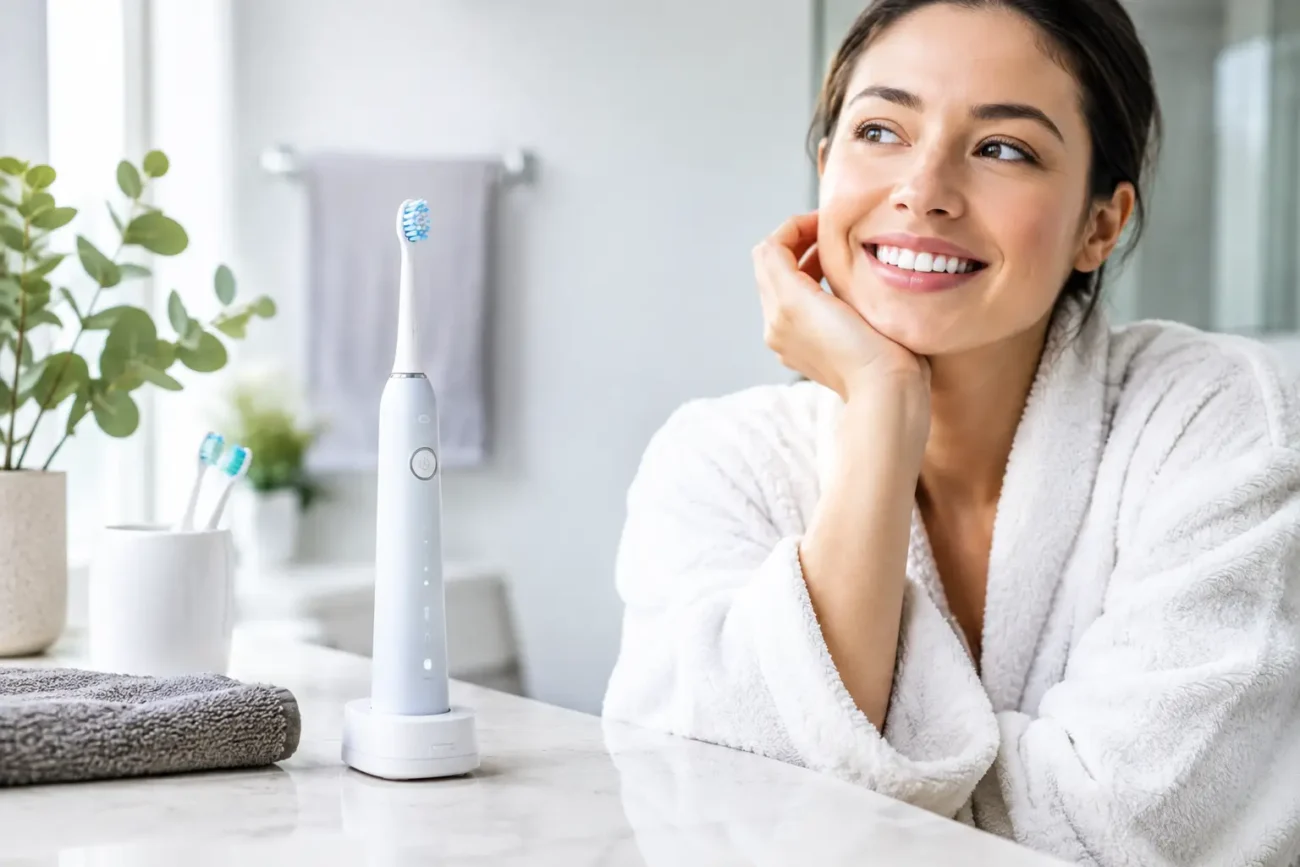
For adults and teenagers, a rechargeable electric toothbrush with soft replacement heads offers a practical balance: reliable daily cleaning, less need for aggressive brushing and a handle built for long-term use. Choosing replaceable heads also means you do not need to discard the full device when bristles have reached the end of their useful life.
A bamboo electric toothbrush can bring that same practical approach to a more considered bathroom routine. MAXDENT pairs rechargeable convenience with soft-bristled replacement heads and a natural-looking bamboo finish, giving shoppers an alternative to bulky disposable plastic designs. The material choice is a lifestyle preference; the brushing technique remains the feature that protects teeth.
Signs you may be brushing too hard
Healthy brushing should leave your mouth feeling fresh, not raw. Bleeding gums can be linked to plaque build-up, gum inflammation or overly forceful brushing, so it is worth getting persistent bleeding checked rather than assuming it is normal.
Sensitivity to cold air, water or sweet foods may also be a clue, especially if it occurs near the gumline. You might notice grooves where the tooth meets the gum, a more translucent edge to front teeth, or a yellowish tone that does not lift with cleaning. None of these signs can diagnose the cause on their own, but they are good reasons to book a dental check-up.
Do not try to compensate by brushing less often. Instead, adjust your technique, choose a soft head and use a suitable fluoride toothpaste. Consistent, gentle plaque removal is kinder to enamel than alternating between hard scrubbing and skipped brushes.
Electric versus manual: which is safer for enamel?
Neither type is automatically safer. A soft manual toothbrush used with a calm, careful technique can protect enamel very well. An electric toothbrush can be especially useful for people who tend to rush, scrub or miss areas, because the timed and controlled movement creates a more even routine.
The trade-off is that an electric brush can feel so effective that some users mistake pressure for cleaning power. If you are new to electric brushing, spend the first week deliberately holding the handle with a relaxed grip. Let the sensation of the brush moving do the convincing. Clean teeth do not need to feel scraped.
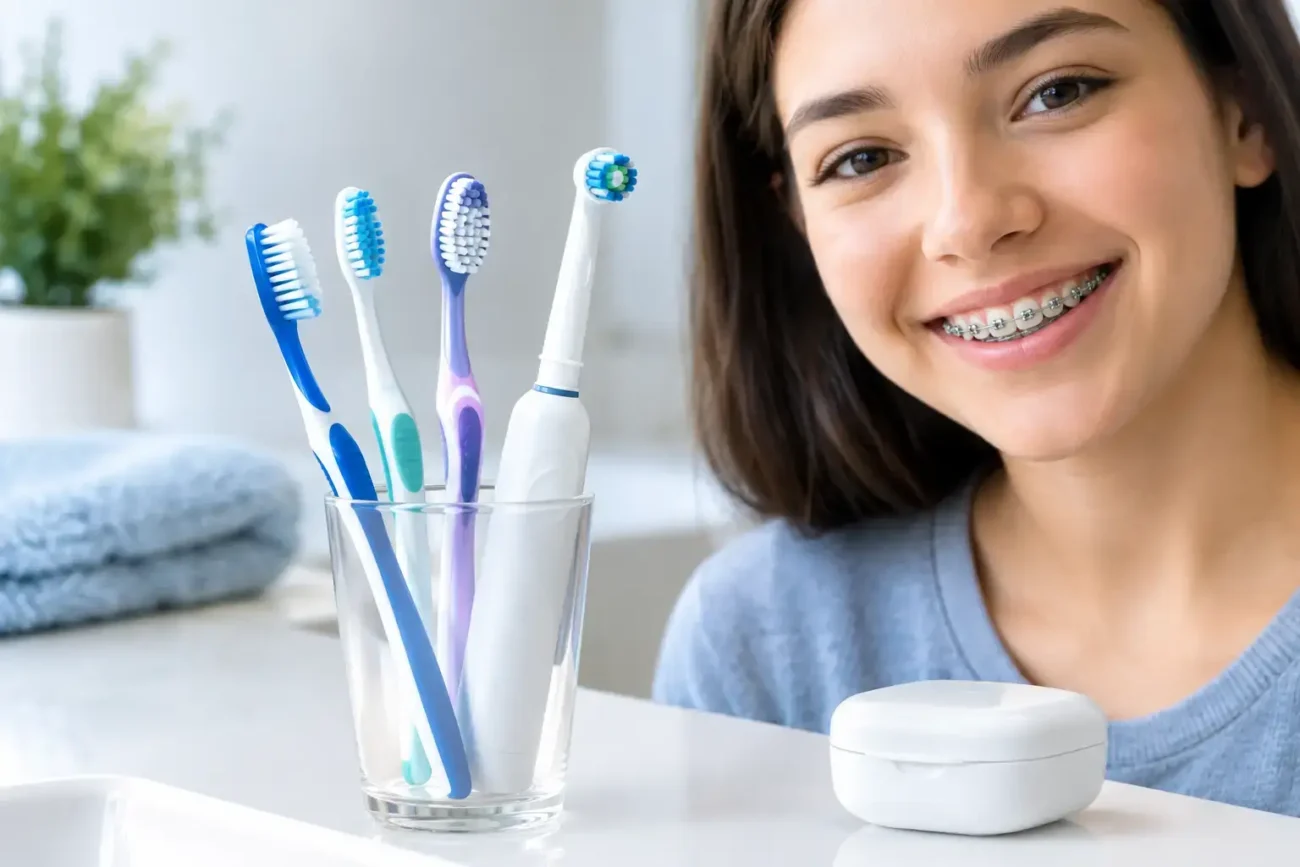
Children, teenagers and adults with sensitive gums may benefit from starting on a gentler cleaning mode where available. Anyone with restorations, exposed roots, braces or significant sensitivity should ask their dentist or hygienist for advice on brush-head style and technique.
A better routine for strong enamel
The aim is not to brush harder. It is to remove plaque consistently while giving enamel the conditions it needs to stay strong. Use fluoride toothpaste, clean gently for two minutes twice a day, limit frequent acidic sipping, and drink water after acidic food or drinks when brushing needs to wait.
Your toothbrush should feel like a calm, dependable part of the morning and evening, not a harsh tool fighting your teeth. A soft-bristled electric brush, a relaxed hand and a little patience after acidic meals can keep your routine both effective and comfortable for years to come.
Add a review
Your email address will not be published. Required fields are marked *