
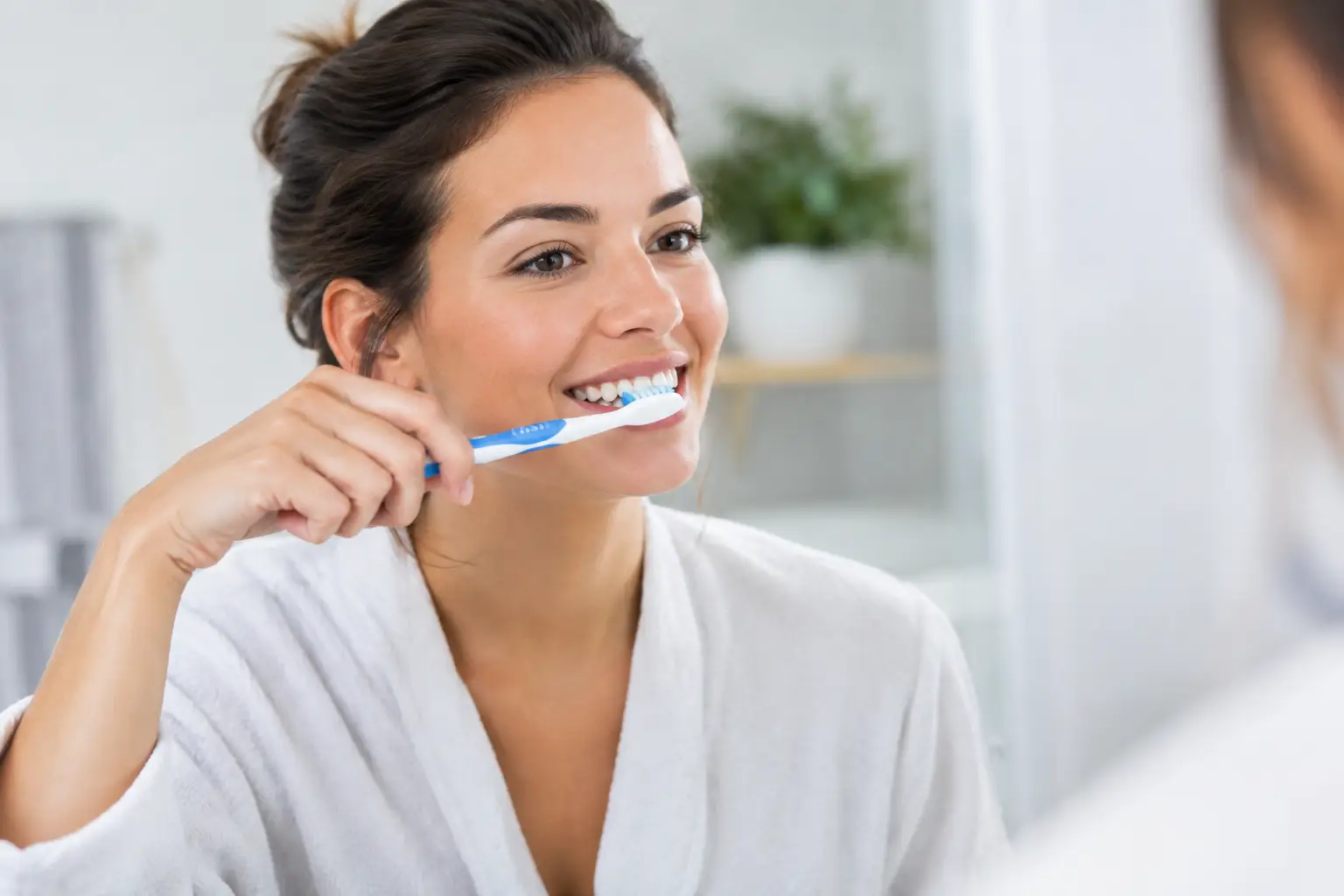
How to Improve Brushing Technique Every Day
If your toothbrush bristles spread out long before it is time to replace the brush, or your gums feel tender after brushing, more pressure is rarely the answer. Learning how to improve brushing technique can make your everyday routine feel cleaner, gentler and more effective, without turning your bathroom shelf into a collection of complicated gadgets.
A good brush should leave your mouth fresh and your gums comfortable. It is not about scrubbing until your teeth feel squeaky. It is about reaching the plaque that gathers along the gumline, between teeth and around back molars, using controlled movements and soft bristles that respect your enamel.
Start with a brush that makes gentle cleaning easier
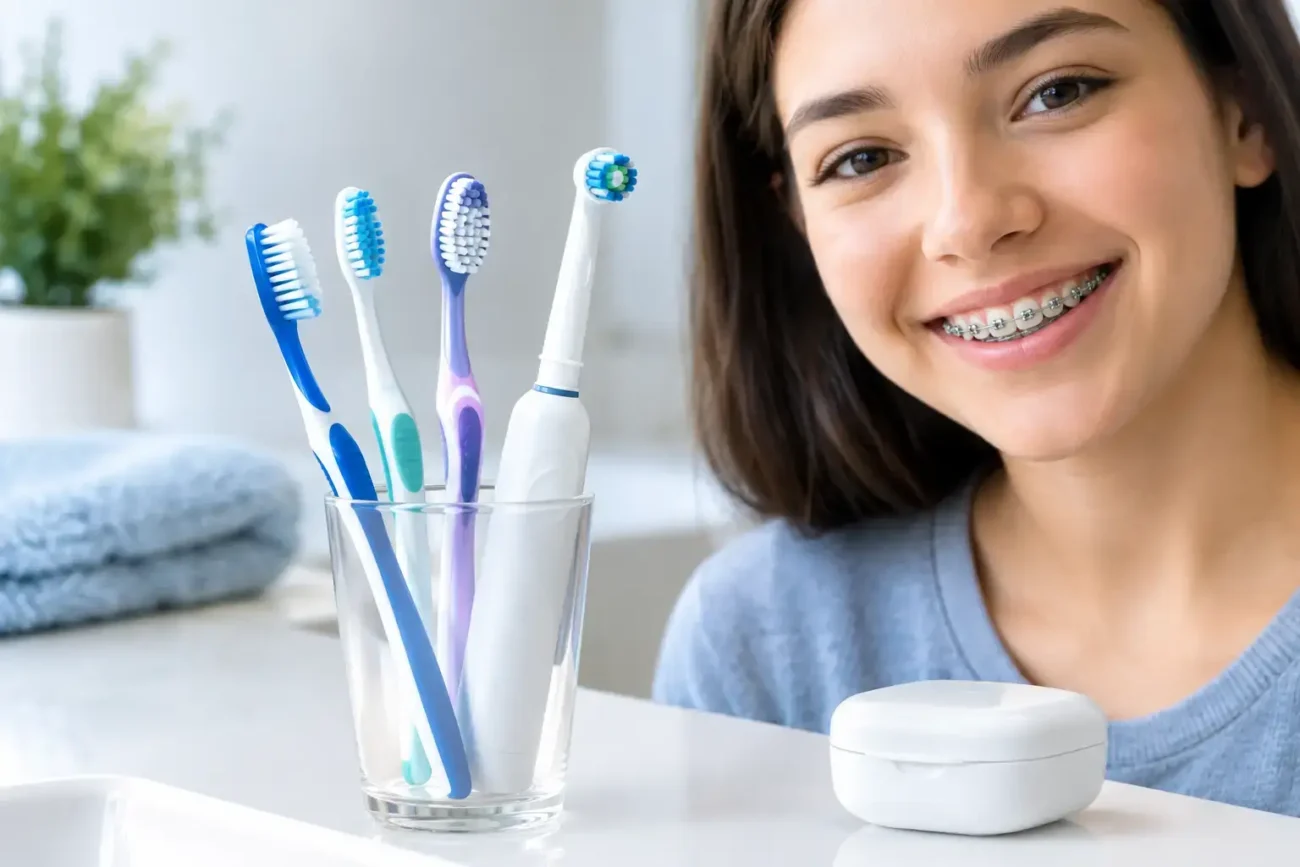
Technique matters most, but the tool in your hand can either support good habits or work against them. Choose a toothbrush with soft bristles and a head that comfortably reaches your back teeth. Hard bristles and heavy pressure can wear away at enamel near the gumline and may irritate delicate gum tissue.
A bamboo manual toothbrush is a simple, natural-looking choice for people who prefer a lighter, more considered routine. If you struggle to keep your brushing consistent or tend to rush, a rechargeable electric toothbrush can help by delivering steady movement while you guide the brush from tooth to tooth. The goal is not aggressive cleaning. It is reliable performance, twice a day.
Whichever style you choose, replace the brush or brush head every three months, or earlier if the bristles look bent, frayed or flattened. After an illness, changing it sooner can also feel like a sensible reset. A fresh soft-bristled head cleans more predictably and is kinder to gums.
How to improve brushing technique at the gumline
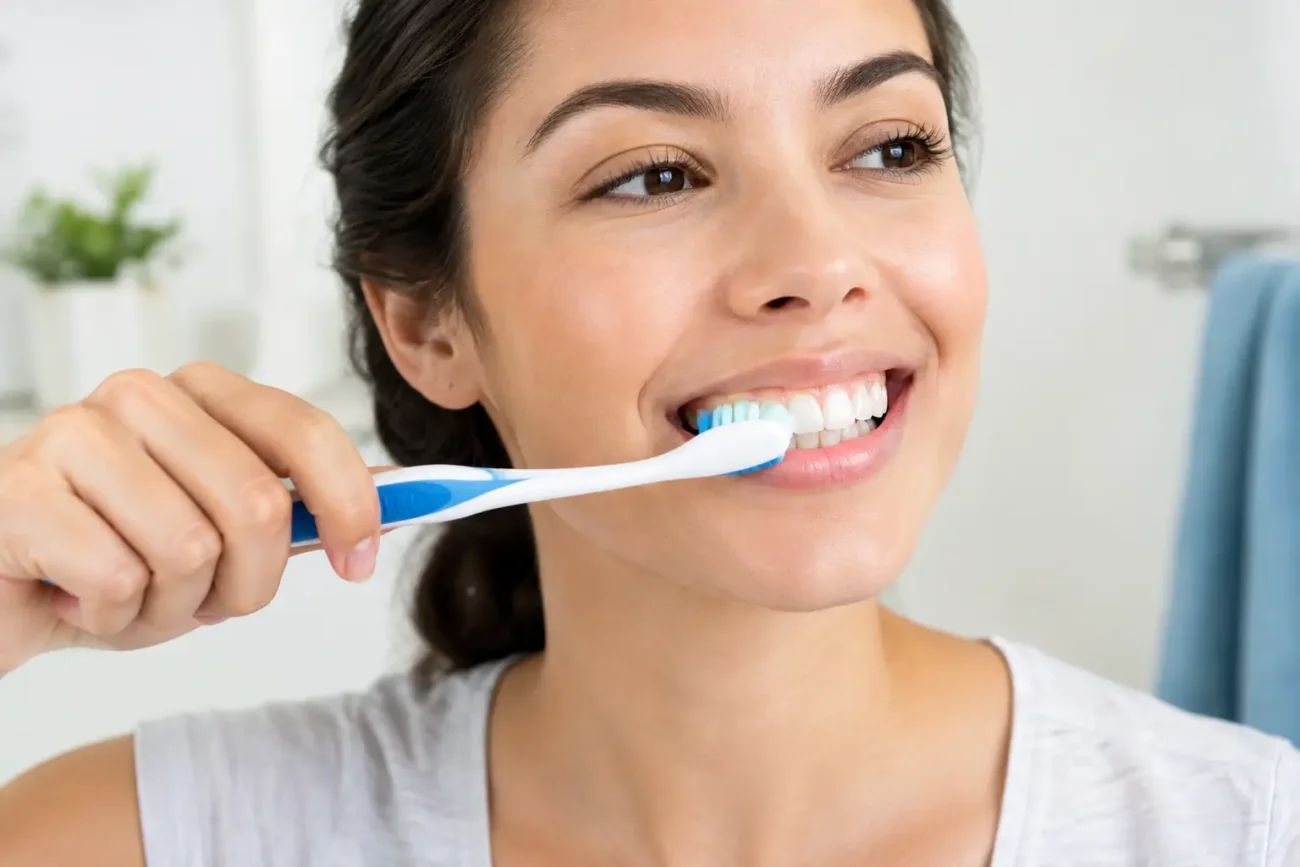
Most plaque does not sit in the middle of a tooth waiting to be scrubbed away. It tends to collect where the tooth meets the gum, which is why angle matters so much. Hold your brush at roughly 45 degrees towards the gumline. This lets the bristle tips sweep the edge of the gums rather than just polishing the visible tooth surface.
Use small circles or tiny back-and-forth movements. Think of guiding the bristles, not scouring with them. Work around two or three teeth at a time before moving on. A useful amount of pressure is surprisingly light: the bristles should flex a little, not flatten against your teeth.
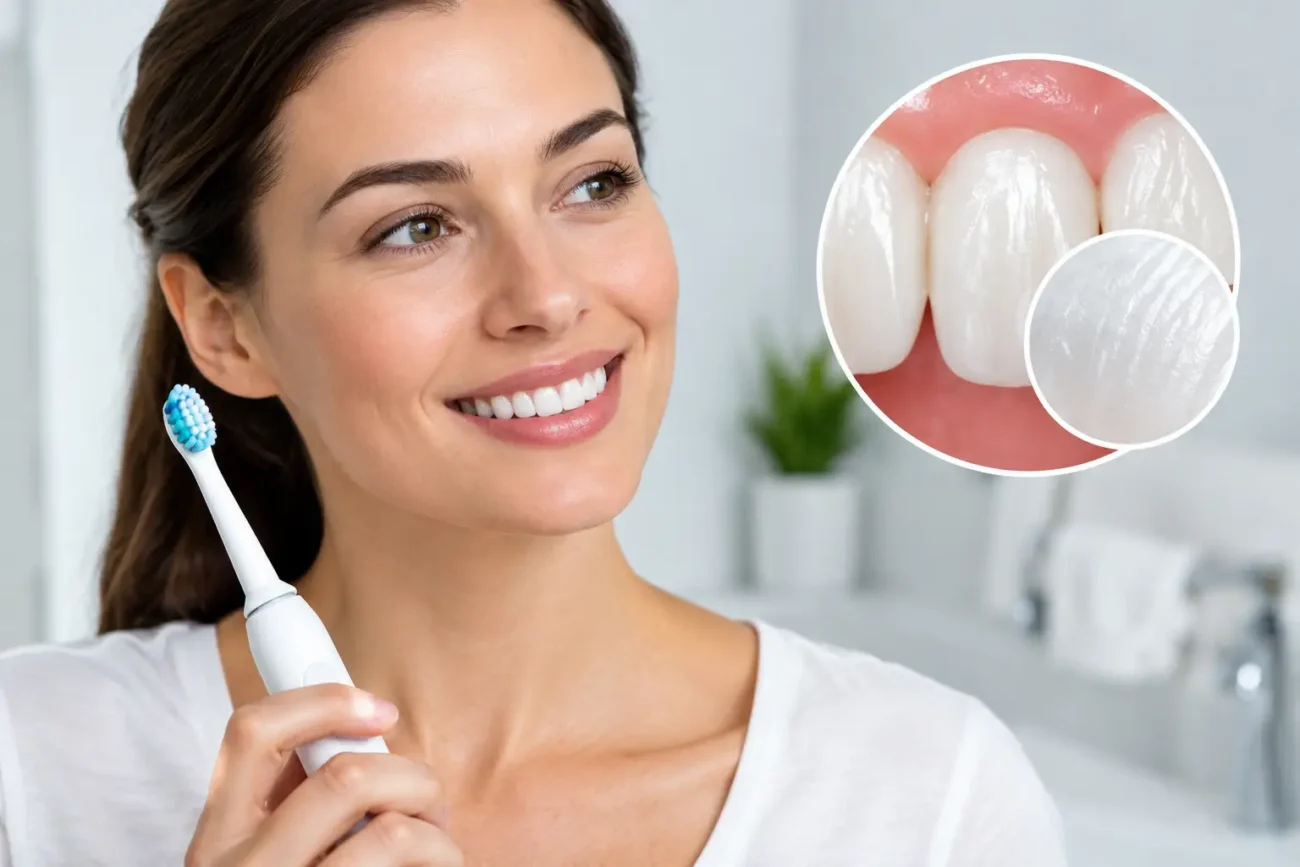
If you use an electric toothbrush, place the brush head against each section of teeth and let the powered movement do its job. Slowly guide it along the gumline, pausing briefly on the outer, inner and biting surfaces. There is no need to make large scrubbing motions with an electric brush. In fact, doing so can make it easier to miss areas or press too hard.
For manual brush users, a calm sequence prevents the familiar problem of cleaning the front teeth carefully and rushing the less visible ones. Begin on the outer surfaces of your upper teeth, then the inner surfaces. Repeat on your lower teeth, then clean the chewing surfaces last. Pick the same starting point every time so it becomes automatic.
Give every surface enough time
Two minutes is a practical target for most adults and teenagers. It may seem like a small detail, but brushing for 30 or 40 hurried seconds often leaves the inner surfaces and back molars untouched. Divide your mouth into four sections and spend around 30 seconds on each: upper right, upper left, lower right and lower left.
A built-in timer is one reason many people enjoy an electric toothbrush. It removes the need to count in your head when you are getting ready for work, school or bed. With a manual bamboo toothbrush, use a timer on your mobile phone, a short song or a bathroom clock until the two-minute rhythm becomes familiar.
Do not forget the awkward areas. The inner side of your lower front teeth can collect tartar because saliva naturally pools there. Back molars need attention too, especially on the cheek-facing side. Open slightly rather than stretching your mouth wide, and use a small, controlled motion to reach the final tooth.
Clean your tongue, but do not forget between your teeth
Brushing cleans tooth surfaces, but it cannot fully clean the spaces where teeth touch. If you want fresher breath and a more complete routine, clean between your teeth once a day with interdental brushes, floss or another dentist-recommended option. The best choice depends on the size of your gaps, the condition of your gums and any dental work you have.
A small interdental brush may be easier to use where there is space, while floss can suit tighter contacts. Neither should be forced. If your gums bleed when you first start cleaning between teeth, that can happen when plaque has been sitting at the gumline. Gentle daily cleaning often helps, but ongoing bleeding, swelling or pain deserves advice from a dentist or hygienist.
Finish by gently brushing your tongue or using a tongue cleaner. The tongue holds bacteria and debris that contribute to bad breath. A few light passes from back to front are enough. Scraping hard is unnecessary and uncomfortable.
Use toothpaste thoughtfully
Use a pea-sized amount of fluoride toothpaste for adults and teenagers. Fluoride helps strengthen enamel and makes teeth more resistant to decay. Brush, then spit out the excess rather than rinsing thoroughly with water straight away. Rinsing can wash away the protective fluoride left on your teeth.
Mouthwash has a place for some people, but it should not replace brushing or cleaning between teeth. If you use a fluoride mouthwash, consider using it at a different time from brushing so you do not immediately dilute your toothpaste. If you have persistent sensitivity, frequent decay, gum concerns or orthodontic appliances, ask your dental professional which products and routine suit you best.
There is also a timing consideration after acidic food or drink. Citrus, fizzy drinks and wine can temporarily soften enamel. Rather than brushing immediately afterwards, wait around 30 minutes and rinse with water if needed. This gives your mouth time to recover and helps avoid brushing softened enamel.
Common habits that make brushing less effective
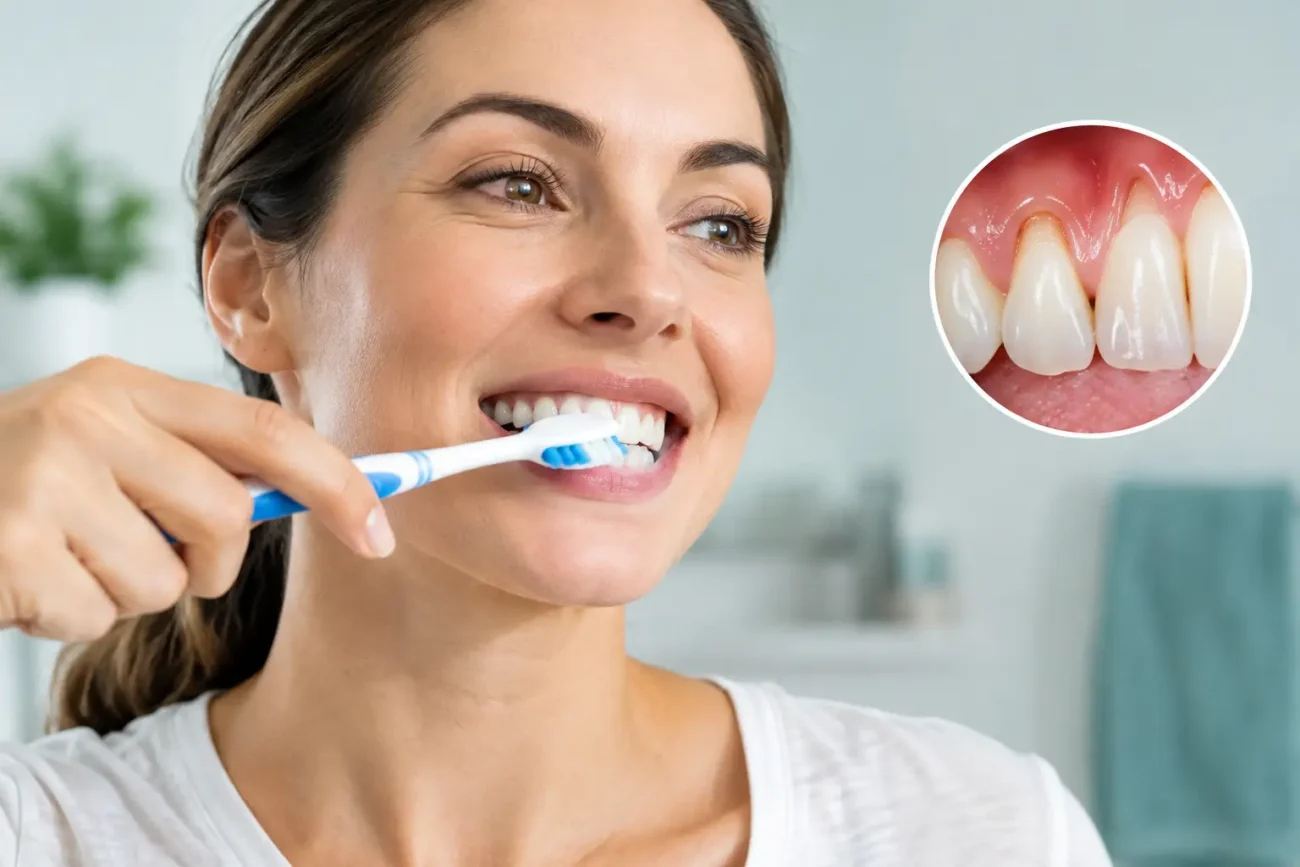
The biggest mistake is treating pressure as proof of cleanliness. Scrubbing harder does not remove plaque more successfully, but it can make gums recede over time and leave the tooth surface near the gumline more vulnerable. A soft brush, a gentle angle and enough time are the better combination.
Another common habit is brushing only where you can see. Your tongue-side tooth surfaces need just as much attention, particularly behind the lower front teeth and on the inside of upper molars. Skipping them can leave plaque behind even when your smile looks clean in the mirror.
Finally, do not brush with a dry, dirty or permanently damp brush head. Rinse it thoroughly after use, shake off excess water and store it upright where it can air-dry. Avoid sealed travel cases for day-to-day storage, unless the brush is fully dry. A clean, well-kept toothbrush is a small but worthwhile part of a low-waste bathroom routine.
Build a routine you will actually keep
The most effective technique is the one you can repeat when you are tired, late or away from home. Keep your brush visible, your replacement heads or spare brushes ready, and your routine simple enough to follow twice daily. A well-designed bamboo toothbrush can make that daily moment feel less disposable, while a rechargeable option offers convenience without relying on throwaway plastic handles.
MAXDENT brings those practical choices together with soft bristles, natural bamboo styling and everyday electric-brush convenience. But the real upgrade happens in the way you use your brush: slow down, soften your grip and give the gumline the attention it deserves. Your teeth do not need a harder scrub. They need two calm minutes of consistent care.

Add a review
Your email address will not be published. Required fields are marked *