
Best Toothbrush for Sensitive Gums at Home
A toothbrush should leave your mouth feeling fresh, not tender. If your gums sting during brushing, bleed when you rinse, or feel sore around the gumline, choosing the best toothbrush for sensitive gums can make everyday care much more comfortable. The goal is not to brush less thoroughly. It is to remove plaque with a lighter, kinder approach that your gums can tolerate day after day.
Sensitive gums are common, but they are not something to ignore. A few small changes – from softer bristles to better pressure control – can improve the feel of your routine while still giving teeth the clean finish you expect.
What makes gums feel sensitive?
Gums can become sensitive for several reasons. Brushing too hard is a frequent culprit, especially with a firm brush or a rushed technique. Plaque along the gumline can also trigger irritation and bleeding, while recent dental treatment, hormonal changes, smoking, certain medicines and ill-fitting appliances may play a part.
Sensitivity does not always mean you need a more aggressive brush. In fact, scrubbing harder can worsen tender tissue and contribute to gum recession over time. The more useful question is whether your brush can clean effectively with gentle, controlled contact.
If bleeding, swelling, pain or bad breath persists for more than a week or two, arrange a check-up with a dentist or hygienist. A toothbrush supports good daily care, but it cannot resolve gum disease, infection or another underlying dental issue on its own.
Best toothbrush for sensitive gums: the features that matter
The right brush is usually less about a dramatic claim and more about a thoughtful combination of bristle softness, head size and handle control. Look for these details before adding a toothbrush to your bathroom routine.
Soft or extra-soft bristles
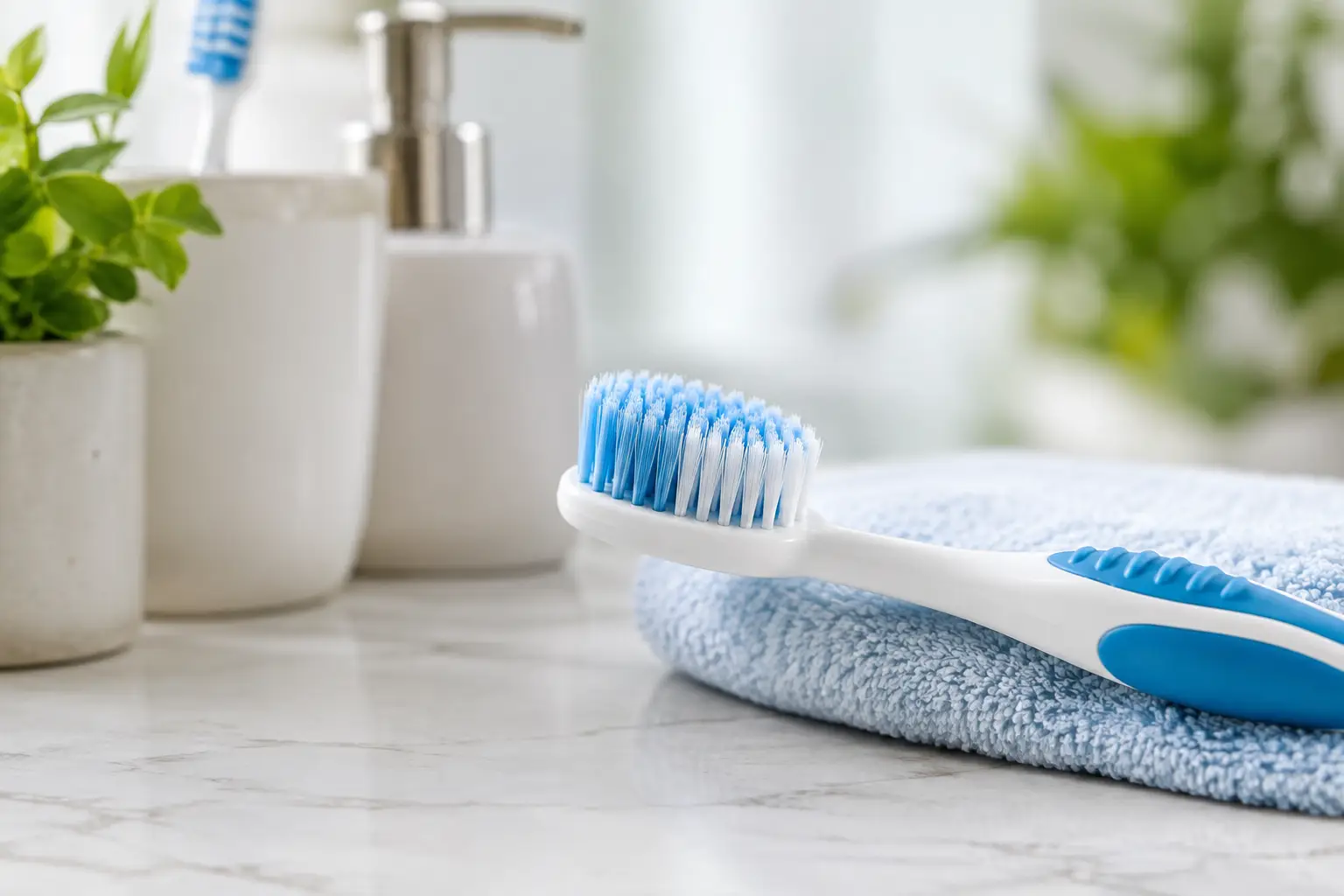
For most people with tender gums, soft bristles are the sensible starting point. They flex around the gumline and between teeth without the harsh scraping sensation associated with medium or hard bristles. Extra-soft bristles can be a good option after dental work or during a short period of irritation, although they still need to be used thoroughly rather than casually.
Bristle tips should feel smooth, not sharp. A compact head with densely arranged soft bristles gives you more control around back teeth and near the inner gumline, where hurried brushing often misses plaque.
A handle that helps you use less force
A comfortable handle is not just about appearance. When a toothbrush feels balanced in the hand, it is easier to guide with your fingertips rather than gripping tightly and scrubbing. This matters for manual brushes, where pressure depends entirely on your technique.
A smooth bamboo handle offers a naturally warm, lightweight alternative to a disposable plastic handle. It can also bring a calm, minimalist look to the bathroom counter. Choose one that sits securely in your hand and feels easy to manoeuvre around every tooth.
A small head and considered shape
Large brush heads can make sensitive areas harder to reach gently. A smaller head allows more precise movement around the molars, behind the lower front teeth and along the gumline. There is no need to force the brush into tight spaces. Slow, careful angles do more than pressure ever will.
Useful electric settings, not unnecessary intensity
An electric toothbrush can be an excellent choice for sensitive gums, particularly for anyone who tends to overbrush. The movement does much of the cleaning work for you, so your job is simply to guide the brush from tooth to tooth.
Look for a sensitive or gentle cleaning mode, a two-minute timer and, ideally, a pressure alert. A pressure feature is particularly helpful because it gives immediate feedback when you press too firmly. That can be easier to learn from than trying to judge force by feel alone.
Should you choose a manual or electric toothbrush?
Both can work well. The best option depends on your brushing habits, sensitivity level and the kind of routine you will actually keep up.
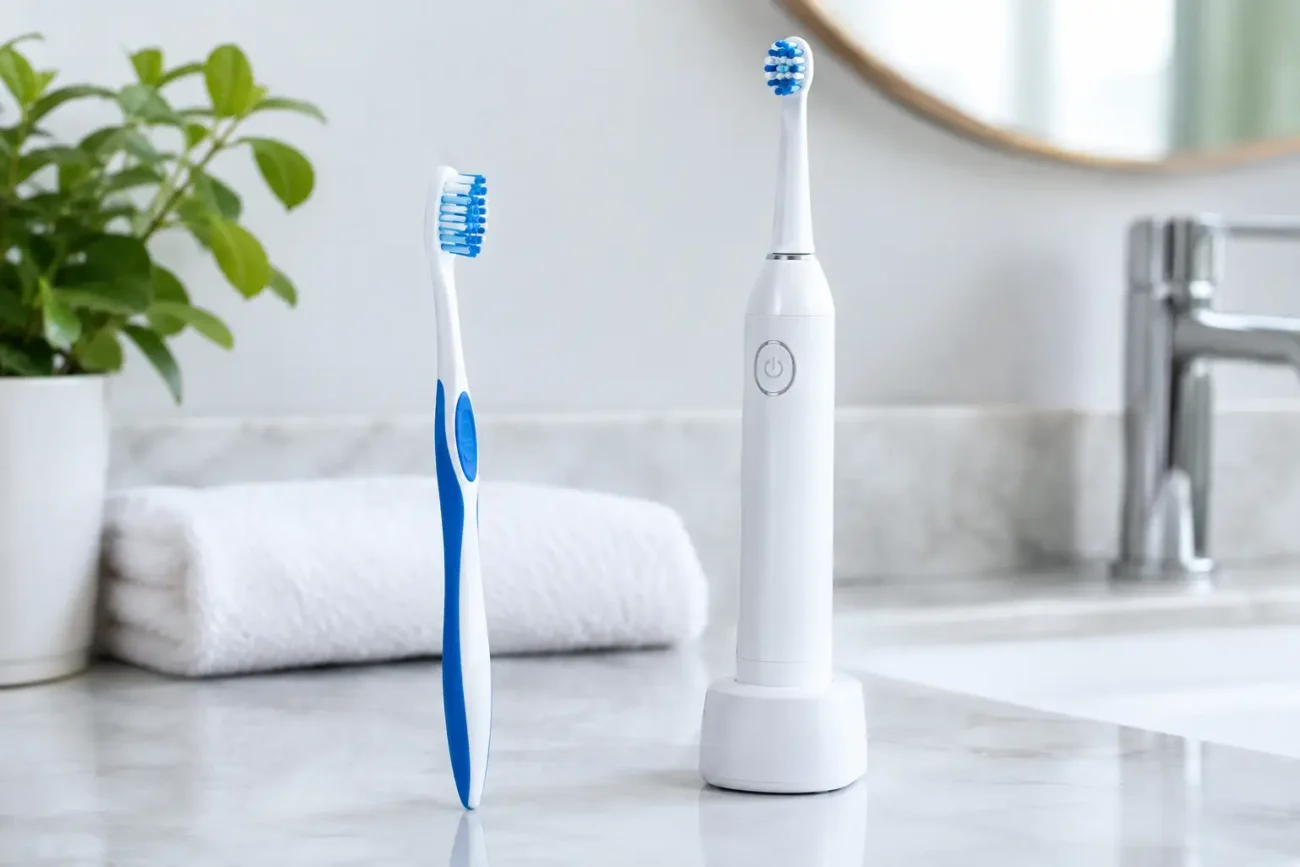
A manual bamboo toothbrush is simple, quiet and easy to take anywhere. With soft bristles and good technique, it can provide a very effective clean. It is a strong choice if you prefer complete control, want a plastic-light everyday essential, or already brush gently and consistently for two minutes.
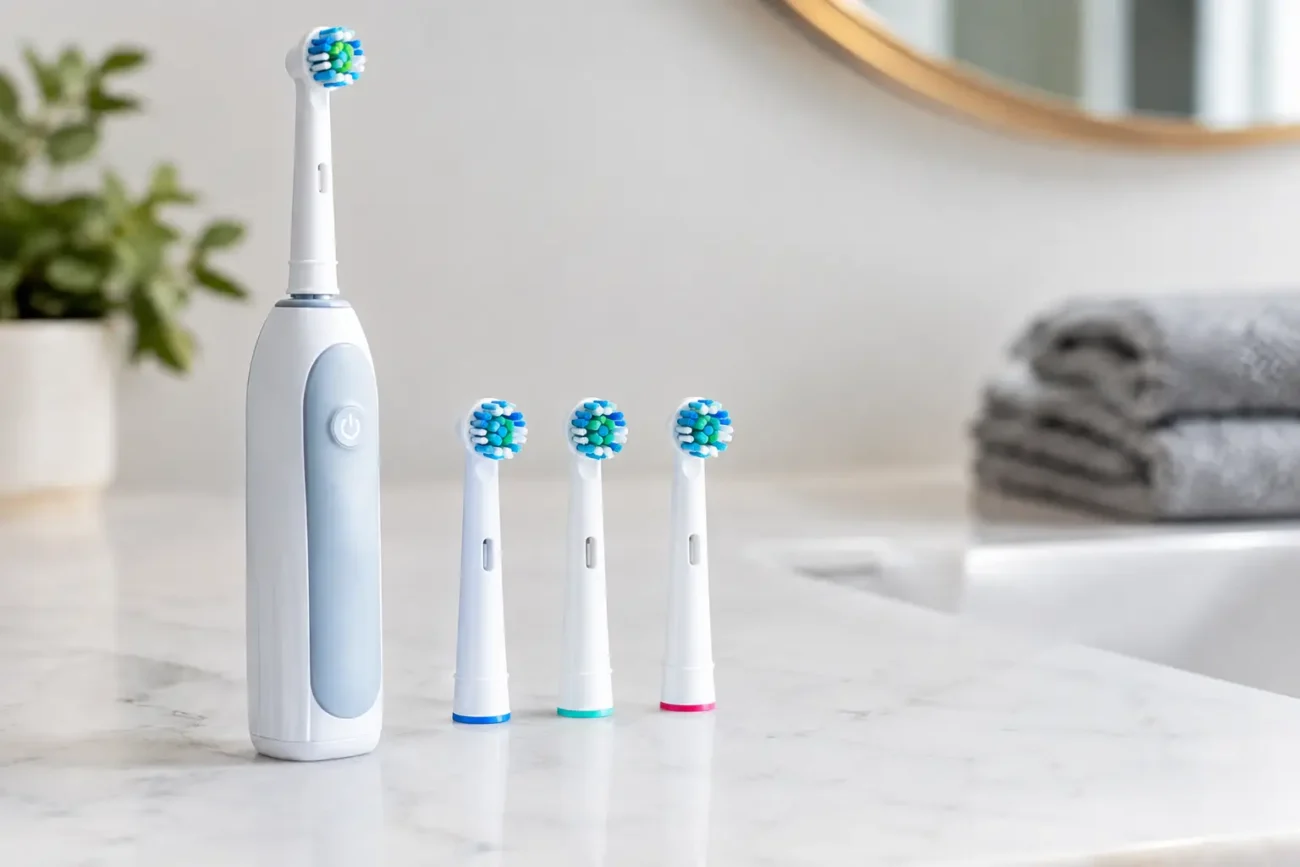
A rechargeable electric toothbrush may suit you better if you rush, apply too much pressure or struggle to clean evenly around the gumline. Gentle modes can feel reassuring for sensitive mouths, while the built-in timer helps you give each area enough attention. Rechargeable use also reduces the need for disposable batteries, and replaceable heads mean you are not replacing the whole device when bristles wear down.
For a more considered balance of natural materials and electric convenience, MAXDENT pairs a bamboo-led design with soft replacement heads and practical daily-use features. The right model is the one whose softness, size and settings make you want to brush properly every morning and evening.
How to brush sensitive gums without missing plaque
Even the softest toothbrush can feel abrasive when used with too much force. Start by holding the brush as you would hold a pen. This naturally limits the pressure you can apply and keeps your wrist relaxed.
Place the bristles at roughly a 45-degree angle where the tooth meets the gum. Use tiny circles with a manual brush, or slow guiding movements with an electric brush. Spend a few seconds on each tooth surface: the outer surfaces, inner surfaces and chewing surfaces all need attention.
Avoid the back-and-forth sawing motion that many of us learnt as children. It may feel energetic, but it can drag bristles roughly across the gumline. Gentle contact, repeated methodically, is more effective than a fast scrub.
Use a pea-sized amount of fluoride toothpaste unless your dentist has advised otherwise. A low-abrasion toothpaste may feel more comfortable if you also have sensitive teeth. After brushing, spit out the excess toothpaste rather than rinsing straight away, so fluoride has longer contact with your teeth.
Cleaning between teeth matters too. Plaque often collects where a toothbrush cannot reach, and irritated gums may bleed there at first. Floss or interdental brushes can help, but choose a size and method recommended by your dental professional if you are unsure. Bleeding that continues needs professional advice rather than increasingly forceful cleaning.
Replace brush heads before they become rough
Soft bristles do not stay soft forever. Once they splay outward, flatten or feel scratchy, they lose their ability to clean precisely and may be tougher on your gums. Replace a manual toothbrush or electric brush head about every three months, or sooner after illness or obvious wear.
Keep the brush upright where it can air-dry, rather than sealed in a damp travel case at home. Rinse it well after use and avoid sharing it. These small habits help keep your toothbrush pleasant to use and ready for the next clean.
If sustainability is part of your decision, look beyond the handle alone. A durable rechargeable brush with replacement heads can limit unnecessary waste over time, while a bamboo manual brush can reduce reliance on conventional plastic handles. The most sustainable choice is also one you will use consistently and replace at the right interval.
When a gentler brush is not enough
A toothbrush is a daily tool, not a substitute for dental care. Book an appointment promptly if gums are very swollen, receding, painful, producing pus, or bleeding heavily. Persistent sensitivity, loose teeth, changes in your bite and sores that do not heal also deserve professional assessment.
For everyday tenderness, start with soft bristles, lighter pressure and a calm two-minute routine. Your gums should feel cared for, not challenged – and a beautifully simple brush can make that gentle habit easier to keep.


Add a review
Your email address will not be published. Required fields are marked *