
Plastic Free Bathroom Essentials That Work
A bathroom can look calm and considered while quietly collecting disposable plastic: toothbrushes, toothpaste tubes, razors, cotton buds, shampoo bottles and more. Choosing plastic free bathroom essentials is not about replacing everything overnight. It is about making the daily items you reach for most feel better to use, look better on the shelf and create less waste when they are finished.
The best swaps are the ones that fit your routine. A toothbrush still needs to clean thoroughly. A soap bar still needs to feel good on your skin. A refill only works if you will actually remember to use it. Start with the products you replace often, then build a lower-waste bathroom that feels practical rather than restrictive.
Start with plastic free bathroom essentials you use daily
The most effective place to begin is with products that disappear quickly. These are the repeat purchases that can make a real difference over a year, without requiring a complete bathroom overhaul.
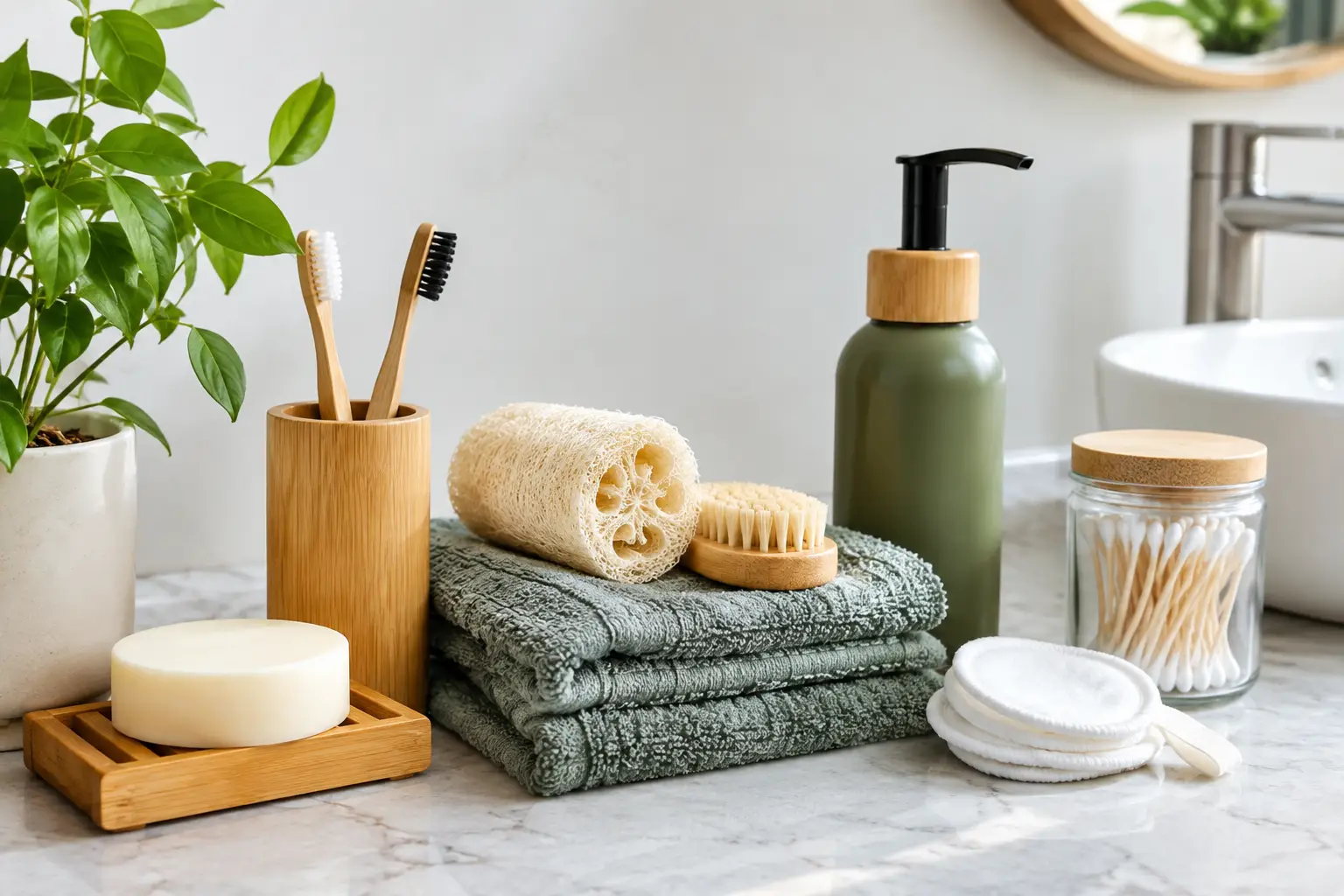
Your toothbrush is an obvious first switch. Conventional plastic toothbrushes are designed for a few months of use, yet the handle can remain in the environment for far longer. A bamboo toothbrush replaces that bright plastic handle with a natural, minimalist alternative that sits beautifully beside a ceramic tumbler or on a simple bathroom shelf.
Look for soft bristles if gum comfort is a priority, especially if you brush with pressure or have sensitive teeth. Charcoal-infused bristles can be a stylish option, but technique matters more than colour. Brush for two minutes, use gentle circular movements and replace the brush head or toothbrush when the bristles begin to fray.
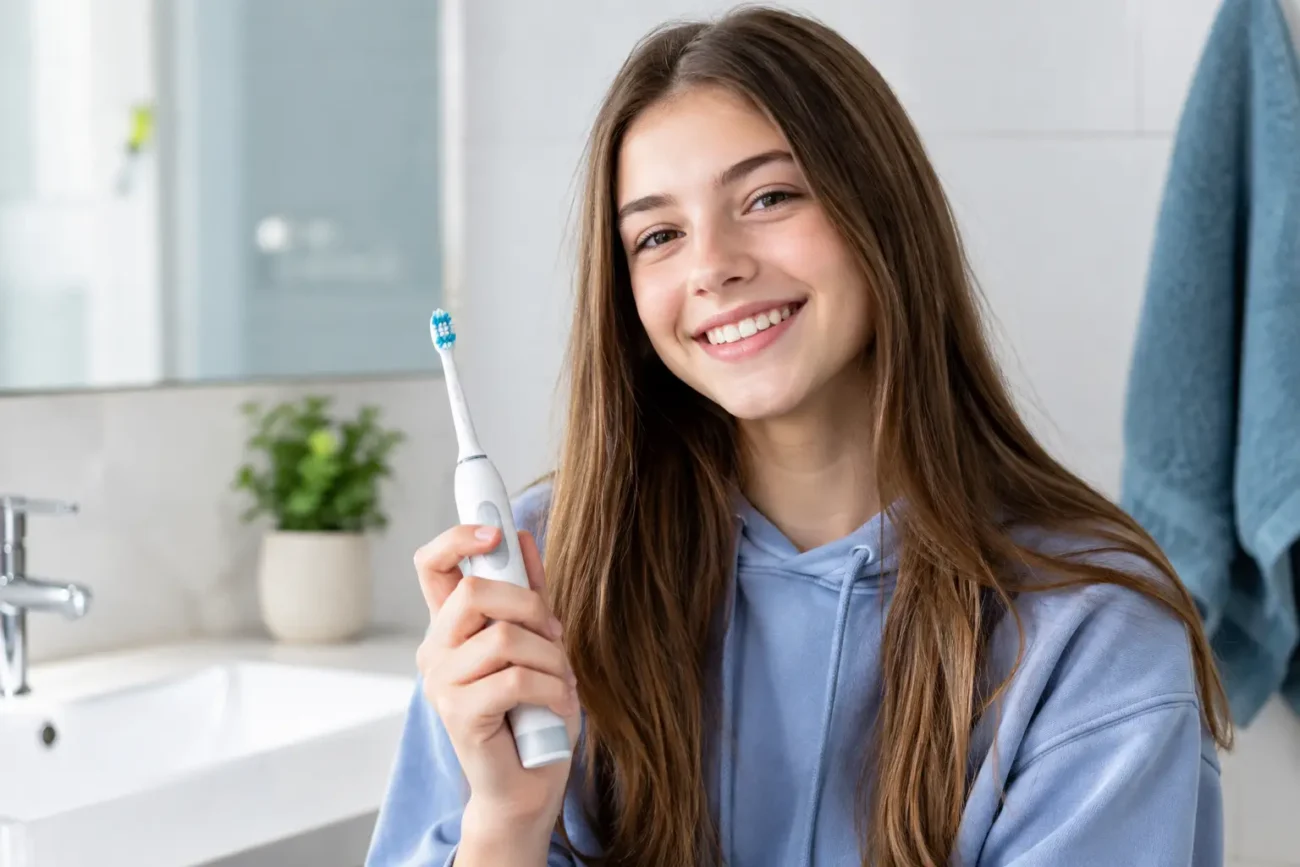
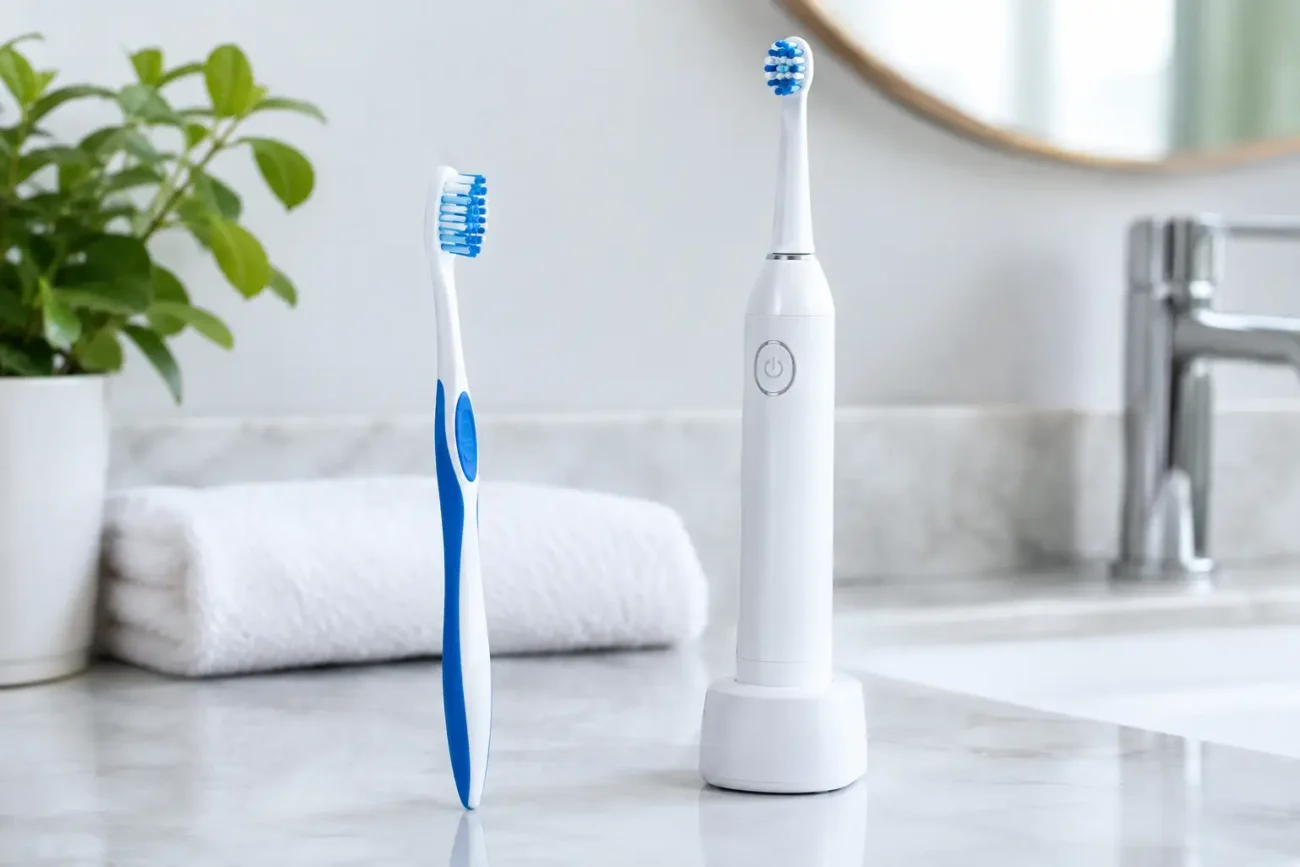
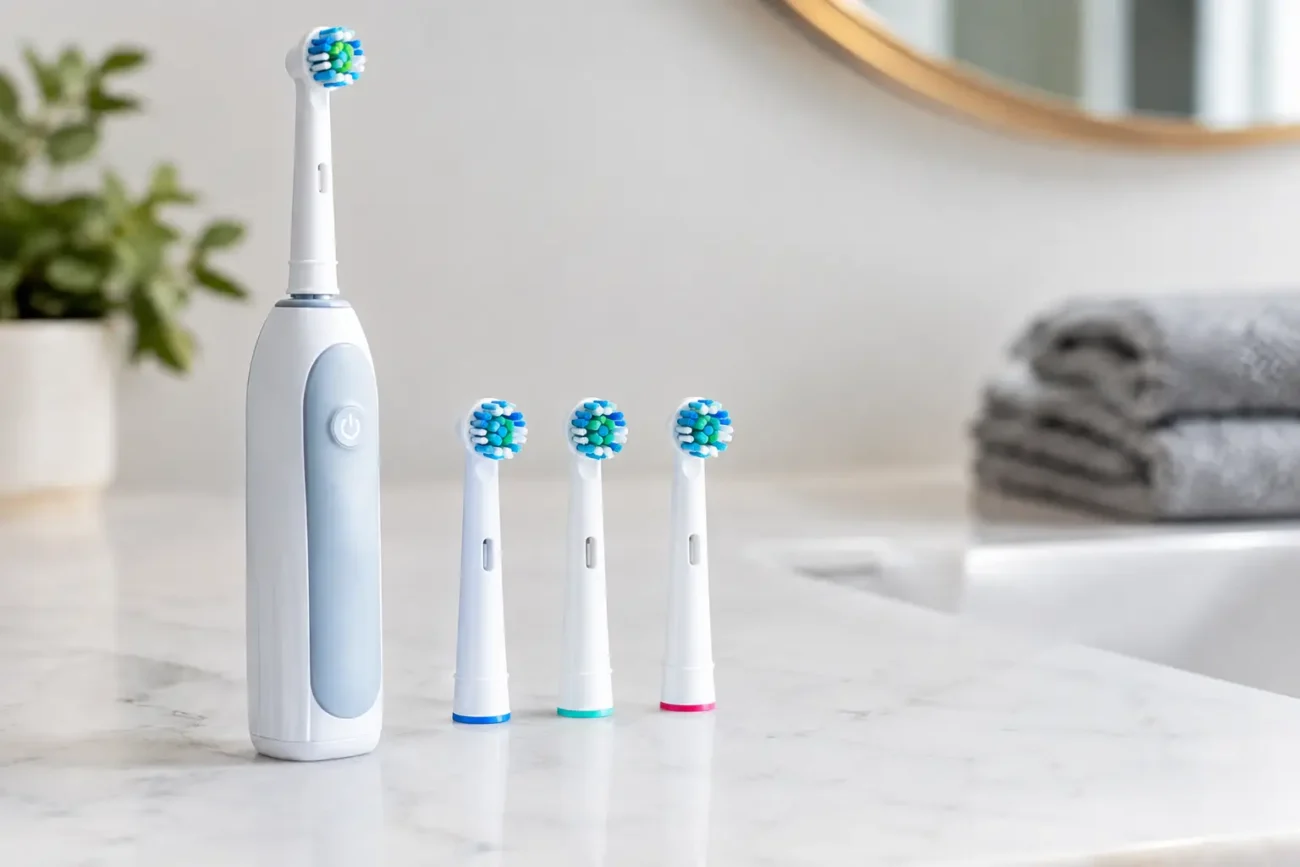
For those who prefer powered cleaning, an electric toothbrush can still be a thoughtful lower-waste choice. The key is long-term use. A rechargeable handle with replaceable brush heads avoids throwing away a full device every few months. MAXDENT’s rechargeable bamboo electric toothbrushes are made for this balance: natural-looking bamboo on the counter, practical cleaning modes in your hand, and replacement heads for continued everyday use.
Be realistic about toothbrush materials
“Plastic free” can mean different things depending on the product. A bamboo manual toothbrush has a bamboo handle, but its bristles may still be made from nylon or another durable material because they need to clean effectively and resist moisture. Electric toothbrushes also contain technical components, including a battery and internal parts.
That does not make the swap pointless. It means choosing better materials where they have the greatest impact, then disposing of each component correctly. Remove bristles where possible before composting a bamboo handle, and check your local recycling guidance for batteries, charging accessories and brush heads. Honest sustainability is more useful than perfect-sounding labels.
Build a plastic free bathroom without buying duplicates
A low-waste routine works best when you use up what you already own. There is no need to throw away a half-used plastic bottle simply to start fresh. Keep it in use, then choose a refillable, bar or concentrated alternative when it runs out.
Solid soap is one of the simplest changes. A good bar hand soap usually comes in paper or cardboard packaging, lasts well when kept dry and removes the need for another pump bottle. For body care, soap bars can be equally effective, although very dry or sensitive skin may prefer a fragrance-free formula with moisturising ingredients.
Shampoo and conditioner bars can reduce bottle waste too. They are compact, easy to store and particularly handy for travelling. The trade-off is that hair types vary. Fine, colour-treated, curly or very dry hair may take some trial and error before finding a bar that provides the right level of cleansing and conditioning. Give any new formula a few washes before deciding whether it is right for you.
To make solid products last, use a draining dish rather than leaving them in a puddle. This small detail prevents soft bars from dissolving early and keeps the bathroom looking tidy.
Choose refills where bars are not the best fit
Not every bathroom product needs to become a bar. Some people prefer liquid hand wash, facial cleanser or body lotion, and there is nothing wrong with choosing a format you enjoy using. Refillable systems can be a smart middle ground when the refills use less packaging than buying a new bottle each time.
Concentrated tablets and powders are also worth considering for hand wash or cleaning products. You keep one durable bottle, add water at home and use a compact refill. This can reduce packaging and avoid transporting water repeatedly, but only if the refill format is easy enough to keep in your routine.
For skincare, focus less on chasing a completely plastic-free label and more on buying fewer, well-matched products. A simple cleanser, moisturiser and SPF routine may produce less packaging than a crowded shelf of products that are barely used. Glass packaging can look refined, but remember that heavier glass has its own transport impact and may not be recyclable everywhere. Refillability, product performance and whether you finish what you buy all matter.
Small swaps that make a bathroom feel considered
Once the everyday basics are in place, smaller changes can make the room feel more intentional. Choose items that are genuinely useful rather than filling a drawer with eco-themed replacements.
Reusable cloths can replace disposable wipes for quick clean-ups, makeup removal and drying the basin. Wash them regularly and keep a few in rotation. For toilet paper, seek recycled paper or responsibly sourced paper wrapped in paper rather than plastic when available.
Cotton buds with paper or bamboo stems are an easy swap, but they should never be flushed. Dental floss is another area where options vary: some flosses come in glass containers with refill spools, while others focus on plant-based materials. The best choice depends on the space between your teeth, dental work and what your dentist recommends. Floss that is comfortable enough to use every day is more valuable than a perfect material choice left unopened in a drawer.
Razors deserve the same practical thinking. A metal safety razor can dramatically reduce disposable handle waste, but it has a learning curve and the blades require careful handling. A reusable-handle system with replaceable heads may be the better option for a busy household or anyone nervous about changing technique. Reduced waste should never mean compromising on comfort or safety.
Make your routine last longer
Sustainability often comes down to care. Store bamboo toothbrushes upright so they can dry between uses. Do not leave them sitting in water. Keep soap bars drained, close refill pouches properly and only open a new product when the current one is nearly finished.
With electric toothbrushes, follow the charging guidance provided for the device and replace only the brush head when it is worn. A durable handle used for years is a more thoughtful purchase than a series of cheap, short-lived gadgets. This approach also keeps your bathroom counter clearer: fewer products, chosen well, with a place for each one.
If you share a bathroom, make the changes easy for everyone to follow. A labelled container for replacement brush heads, a visible soap dish and a simple basket for refill pouches can prevent good intentions from becoming clutter. Teenagers and adults are more likely to keep a lower-waste routine when it feels straightforward and looks good.
A better bathroom is built one repeat purchase at a time
The goal is not an empty shelf or a flawless zero-waste label. It is a bathroom filled with products that earn their space: comfortable oral care, reliable cleansing, less unnecessary packaging and materials that feel considered. Begin with the item you will replace next, use it well, then make the next choice with the same care.


Add a review
Your email address will not be published. Required fields are marked *