
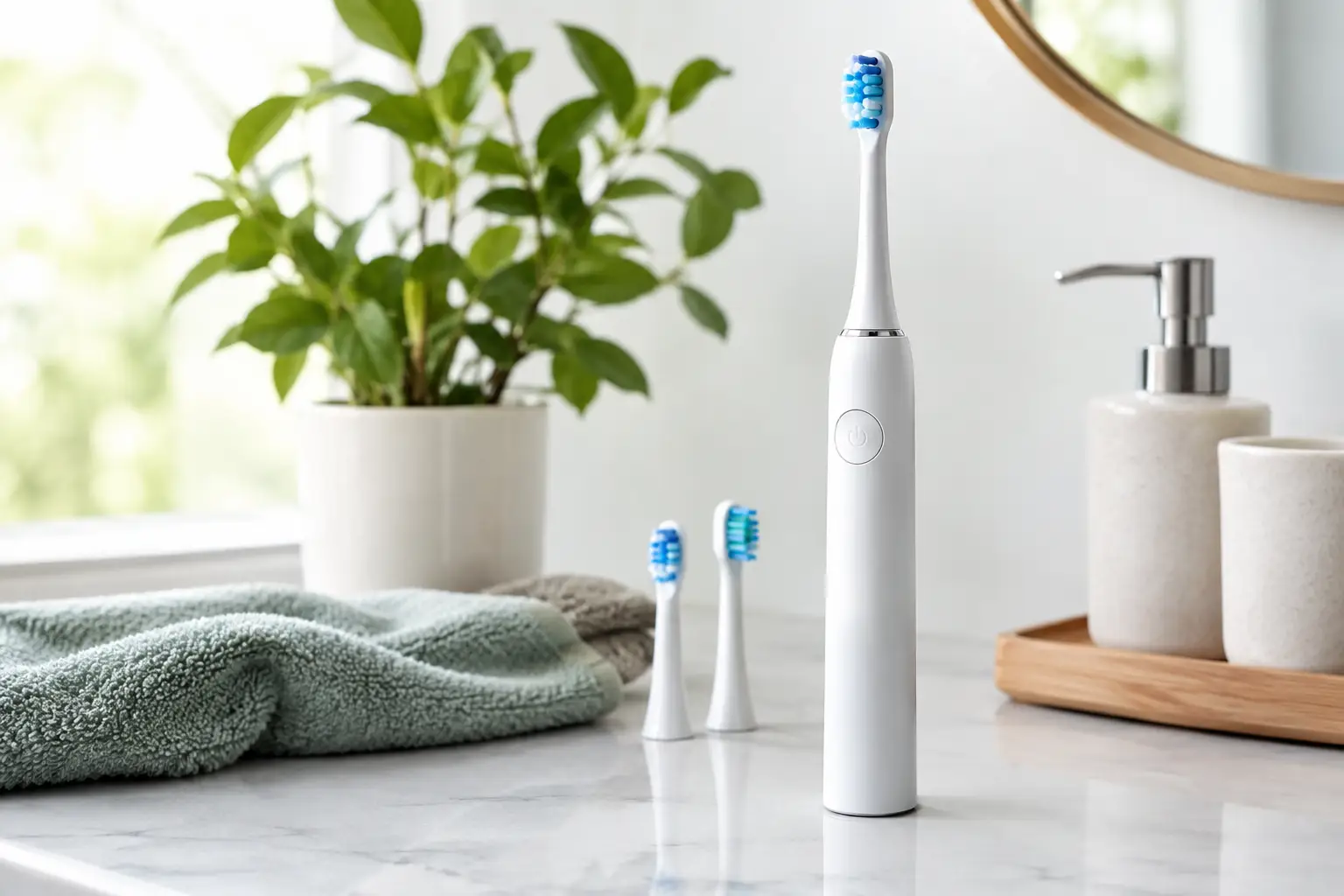
How to Choose a BPA Free Electric Toothbrush
A toothbrush sits on your bathroom shelf twice a day, often in plain sight. That makes the material, feel and finish more than minor details. A BPA free electric toothbrush gives you the reliable cleaning rhythm of an electric brush while helping you make a more considered choice about the materials that come into your daily routine.
For many people, the appeal is simple: less reliance on conventional plastic, a calmer-looking bathroom, and a brush that feels good to use morning and night. But BPA-free is only one part of the picture. The best choice also needs soft, effective bristles, a comfortable handle, dependable charging and replacement heads you can continue using over time.
What a BPA Free Electric Toothbrush Really Means
BPA, short for bisphenol A, is a chemical used in some plastics and resins. A BPA-free claim means the relevant plastic parts of a product have been made without it. With an electric toothbrush, that may include components such as the brush head housing, bristle base, charging components or protective fittings. The exact construction varies between products, so it is worth reading the product details rather than assuming every part is made from one material.
A bamboo electric toothbrush may pair a natural bamboo exterior with carefully selected BPA-free components where an electric mechanism needs them. This is a practical approach, not a compromise. Electronics, bristle anchors and charging systems require durable materials, while bamboo can replace much of the plastic you would normally see and hold.
BPA-free does not automatically mean plastic-free, biodegradable or recyclable. Those terms describe different things. It does, however, give shoppers a clearer starting point when looking for an electric toothbrush designed with material choices in mind.
The aim is not perfection hidden behind a label. It is a better everyday balance: a long-lasting rechargeable device, less disposable plastic in the handle, and replaceable parts where replacement is genuinely needed.
Why Material Choice Matters at the Bathroom Sink
A standard electric toothbrush is often built around a large plastic handle that is thrown away once its battery or motor reaches the end of its life. Choosing a rechargeable brush with a natural bamboo finish can make the object on your counter feel less temporary and more intentional.
Bamboo brings a warm, minimalist look that suits modern bathrooms without demanding special styling. It is lightweight in the hand and offers a welcome alternative to glossy moulded plastic. For households trying to reduce plastic across everyday essentials, that visible change can help turn a good intention into a routine that sticks.
There are practical considerations, too. Bamboo is a natural material, so it benefits from basic care. Rinse the handle after brushing, avoid leaving it submerged in a cup of water and let it dry between uses. This keeps the handle looking its best and supports a longer usable life.
If you share a bathroom, consider how the brush will be stored. A well-ventilated holder or upright stand is a better match for any toothbrush than a damp closed container. Small habits like these protect both hygiene and the finish of your brush.
Electric Cleaning Without the Bulk
People often move to an electric toothbrush because they want a more consistent clean, particularly along the gumline and around hard-to-reach back teeth. The movement of the brush does much of the work for you, which can be especially helpful if you tend to brush too quickly or use heavy pressure with a manual brush.
A good electric brush should feel controlled rather than aggressive. Soft bristles are a sensible choice for everyday comfort, helping clean tooth surfaces and the gumline without the scratchy feel that can come from firmer bristles. The technique still matters: guide the head slowly from tooth to tooth and allow the bristles to do their job. Pressing harder is not the same as brushing better.
Cleaning modes can be useful, but more settings are not always better. A straightforward daily-clean mode suits most routines. A gentler mode may appeal if your gums are sensitive, while a more focused setting can be useful when you want extra polishing after tea, coffee or strongly coloured foods. Choose features you will realistically use, not a long list of buttons that complicate a simple habit.
Battery life matters in a different way. A rechargeable toothbrush that holds its charge well is easier to live with, especially in a busy household or when packing for a weekend away. It also avoids the ongoing waste of disposable batteries. Charging when needed, rather than leaving the brush permanently connected, is a sensible habit unless the product instructions advise otherwise.
How to Choose the Right BPA Free Electric Toothbrush
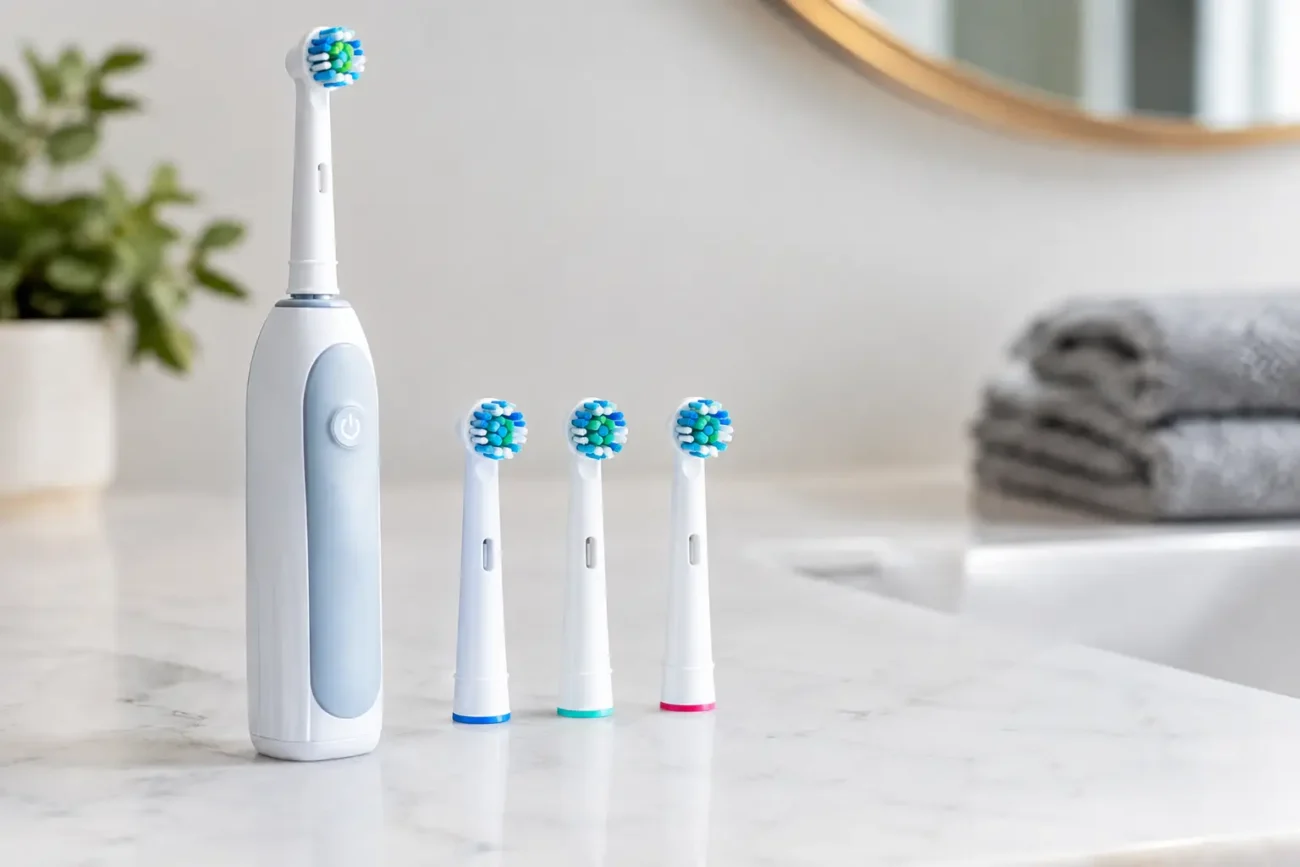
Start with the brush head. It is the part that meets your teeth and gums every day, so comfort should come first. Look for soft bristles and a head size that can reach the back of your mouth without feeling oversized. If replacement heads are available, check that they are easy to fit and designed for the same handle. A well-made handle is only useful if you can maintain the brush with fresh heads.
Next, think about grip and weight. Some shoppers want a compact toothbrush that travels easily; others prefer a slightly fuller handle that feels secure in the hand. Bamboo adds natural texture, which can make a brush feel less slippery than smooth plastic. The right choice depends on your preference, but an electric toothbrush should never feel awkward enough to discourage regular use.
Then consider the charging set-up. A simple USB charging option can be convenient for smaller bathrooms, shared homes and travel. A dedicated charging base may suit you if you prefer one tidy place for the toothbrush to live. Whichever format you choose, keep the charging area dry and follow the care guidance supplied with the brush.
Finally, look past the first purchase. Electric toothbrushes are most resource-conscious when the handle is used for a long time and only the worn brush head is replaced. This is where build quality, charging reliability and replacement-head availability matter more than novelty features. MAXDENT designs its rechargeable bamboo electric toothbrushes around that everyday practicality: soft bristles, reusable charging convenience and a refined natural finish.
A Better Routine Starts With Gentle Habits
Even the most thoughtfully designed toothbrush works best alongside a consistent routine. Brush for two minutes, twice daily, using a fluoride toothpaste that suits your needs. Move methodically around the outer, inner and chewing surfaces, giving the gumline gentle attention rather than rushing through it.
Replace the brush head when the bristles begin to splay or lose their shape, often around every three months depending on use. A frayed head does not clean as effectively and can feel less comfortable. Rinse it thoroughly after use and allow it to air-dry upright.
An electric toothbrush is not a replacement for interdental cleaning or dental appointments. If you have bleeding gums, ongoing sensitivity, braces, restorations or a specific dental concern, ask your dentist or hygienist which brush head and brushing approach suit you best. The right routine is personal, and gentler can often be more effective than harder.
Choosing a BPA free electric toothbrush is a small decision with a daily payoff. Pick one that feels comfortable in your hand, earns its space on your bathroom shelf and has replacement parts that make continued use easy. When the brush is pleasant to use and simple to care for, looking after your smile becomes one less thing to overthink.


Add a review
Your email address will not be published. Required fields are marked *