
Electric Toothbrushes That Clean Well, Waste Less
A toothbrush sits on your bathroom counter twice a day, every day. That makes electric toothbrushes more than a quick upgrade for fresher-feeling teeth: they are a small daily choice about comfort, cleaning habits and how much disposable plastic comes into your home.
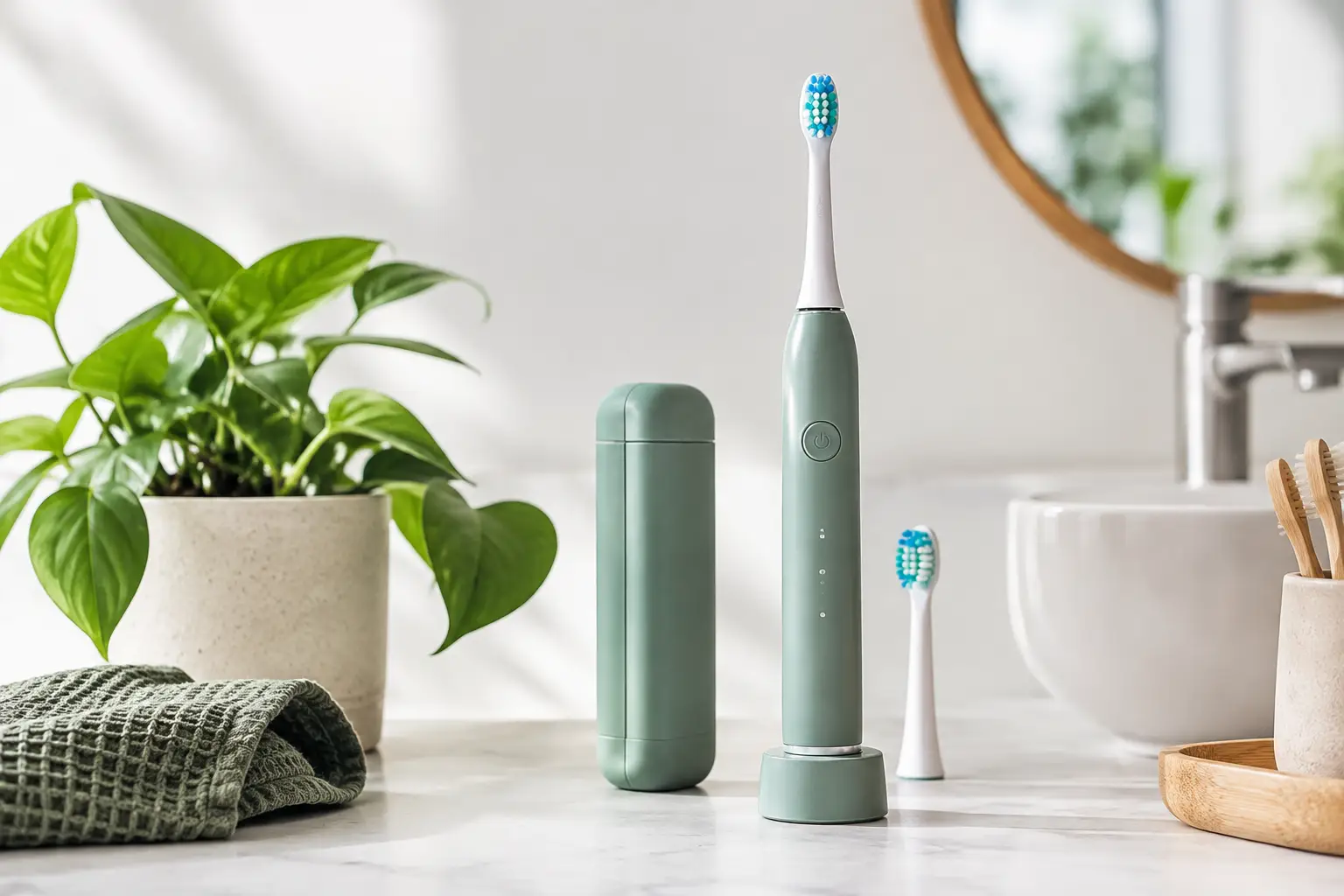
The right electric brush should feel easy to use from the first morning. It should be gentle on gums, effective around the gumline and pleasant enough that you actually complete a careful two-minute clean. For shoppers who also want a calmer, more natural-looking bathroom, a rechargeable bamboo electric toothbrush offers a practical alternative to the familiar plastic handle.
Why electric toothbrushes earn a place in daily care
Most people do not struggle to understand that brushing matters. The challenge is consistency. When mornings are rushed or evenings run late, it is easy to brush too hard, miss the back teeth or stop before you have cleaned thoroughly.
An electric brush helps by doing the repeated movement for you. Rather than scrubbing aggressively, you guide the brush head slowly from tooth to tooth and let the bristles work around each surface. This can make the routine feel more controlled, particularly for first-time electric toothbrush users, teenagers building better habits and anyone whose gums become sore after heavy-handed brushing.
A built-in timer is one of the most useful features. Two minutes can feel surprisingly long when you are standing at the sink, but it gives you time to divide your mouth into sections: upper outside, upper inside, lower outside and lower inside. Some brushes add pacing signals to prompt a move to the next area. It is a simple nudge that can turn an inconsistent routine into one that feels reliably complete.
That does not mean an electric brush is a substitute for technique. You still need to angle the bristles gently towards the gumline, clean the chewing surfaces and reach behind the last molars. Floss or interdental cleaning still has its place between teeth. The brush is a useful tool, not a permission slip to rush.
What makes a good electric toothbrush?
The best choice is rarely the one with the longest feature list. Everyday performance comes down to a few details that you will notice every time you brush: bristle softness, handle comfort, battery life, brush-head availability and cleaning modes that you will genuinely use.
Soft bristles, thoughtful pressure
A firm brush can seem like the more powerful option, but harder is not automatically cleaner. Soft bristles can reach along the gumline and around each tooth while being kinder to sensitive gums. The key is to use light pressure. If the bristles are splaying out quickly, you may be pressing too hard, whether you use a manual or electric toothbrush.
For many households, soft bristles are the most comfortable choice for daily use. They are especially appealing if you have noticed bleeding gums, tenderness or sensitivity, although persistent bleeding or pain is always worth discussing with a dental professional.
Modes that suit real routines
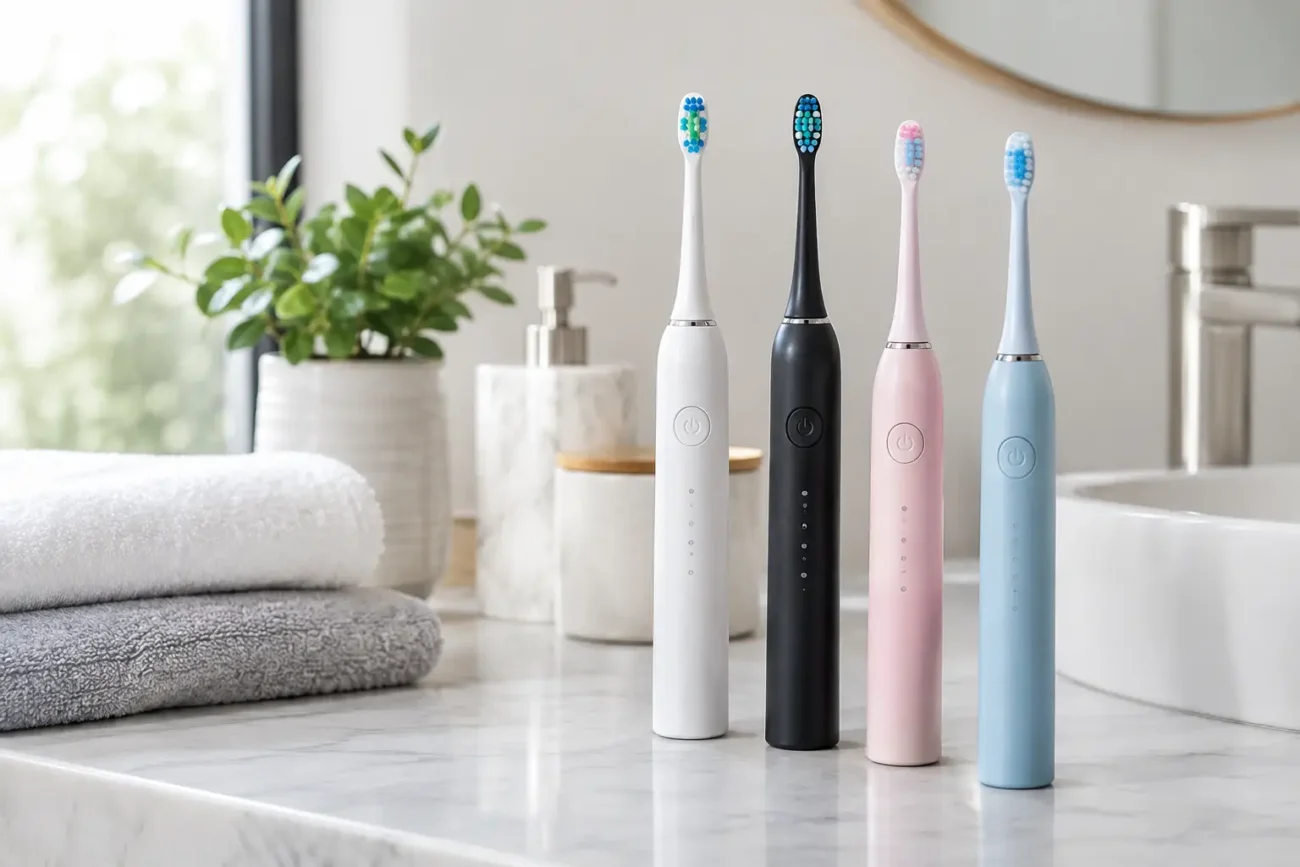
A standard clean mode is enough for many people. Other modes, such as sensitive or massage settings, can be useful when gums need a gentler feel or you prefer a less intense vibration. More settings are not necessarily better. Choose a brush with controls that are clear, responsive and uncomplicated at 7am.
The aim is not to turn brushing into a technical task. It is to make a good clean feel automatic.
Rechargeable convenience
Rechargeable power means less dependence on throwaway batteries and fewer interruptions to your routine. A long-lasting battery is particularly helpful in a shared household, a small flat with limited plug space, or when you are packing for a weekend away.
Battery life varies with brushing frequency and mode, so consider how you will actually use the brush. A compact charger and a battery that lasts for weeks can be more valuable than extra features you rarely touch. Remember to check the charging arrangement before travelling, especially if you are taking it abroad.
Replacement heads you can keep using
A durable handle only delivers its full value when fresh replacement heads are easy to find. Dentists commonly recommend changing a brush head around every three months, or sooner when bristles are visibly worn. New heads help maintain a comfortable, effective clean without replacing the entire toothbrush.
This is where a rechargeable design makes practical sense. You invest in the handle, then replace the part that does the daily work. It is simpler, less wasteful than repeatedly buying complete brushes, and easier to organise for families when everyone has their own head.
A more considered material choice
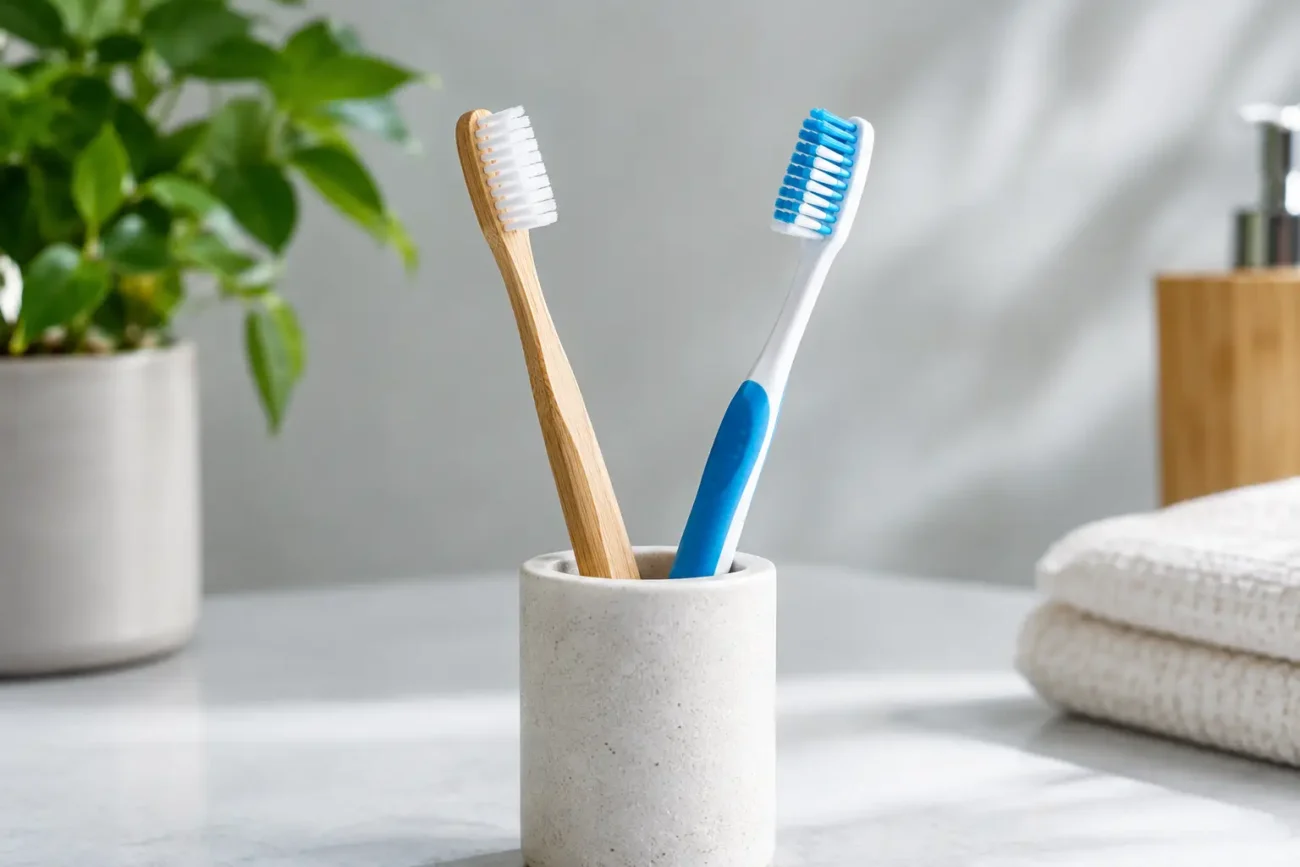
Conventional electric brushes are often designed around glossy plastic, bright colours and bulky shapes. There is nothing inherently wrong with a functional plastic handle that lasts for years. In fact, keeping any durable device in use for as long as possible is a sensible choice.
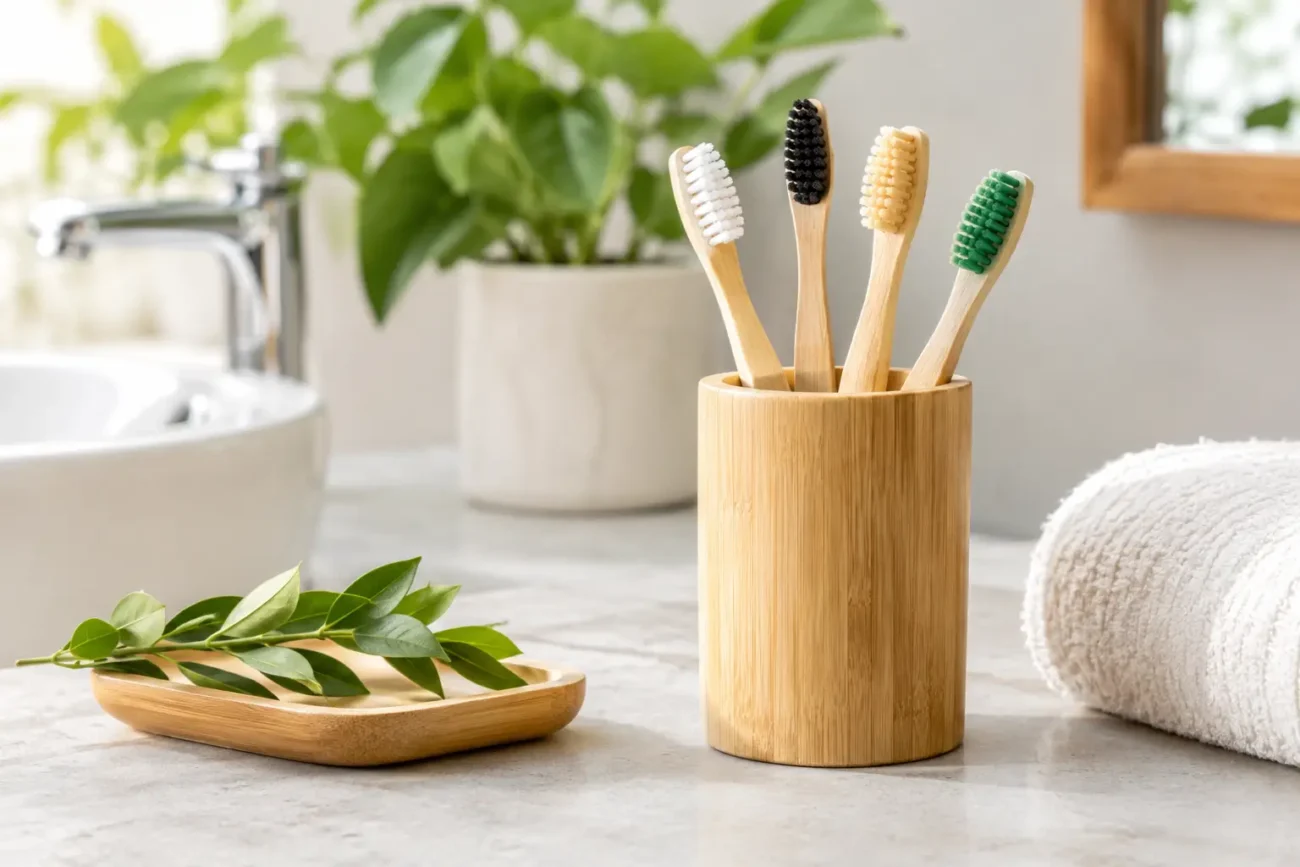
But if you are buying new, bamboo brings a different feel to the counter. Its natural grain gives each handle warmth without making it fussy. It suits a clean, minimal bathroom and offers an alternative for people who want their everyday essentials to reflect lower-plastic habits.
There is an important distinction to make. A rechargeable bamboo electric toothbrush is not waste-free. The motor, battery, charging components and bristles require responsible end-of-life consideration, and brush heads still need regular replacement for hygiene. Sustainability is not about pretending those components do not exist. It is about choosing a long-lasting format, avoiding unnecessary replacements and reducing reliance on single-use plastic where possible.
A bamboo handle should also be cared for sensibly. Rinse it after brushing, shake off excess water and store it upright where it can dry between uses. Do not leave it sitting in a puddle on the basin. A little everyday care helps the handle stay fresh and attractive.
How to get the most from your brush
Start with a pea-sized amount of fluoride toothpaste. Hold the brush lightly and move it slowly, spending a few seconds on each tooth rather than sweeping quickly across the whole mouth. Let the brush head make contact with the tooth and gumline, but resist the urge to scrub.
Clean for the full timer cycle, then rinse the brush head thoroughly. Remove excess water and leave it uncovered to air-dry. If you share a bathroom, avoid pressing brush heads together in a crowded holder. Small habits like these support better hygiene and protect the feel of your brush over time.
Replace the head when the bristles begin to lose their shape. It can help to choose a recurring date, such as the start of each season, so it does not become another thing to remember. If you wear braces, have sensitive gums or are managing a dental concern, your dentist or hygienist can recommend the brushing approach that suits you best.
Choosing a brush that fits your bathroom and your values
A good electric toothbrush should not demand a compromise between design and daily performance. Look for a lightweight handle that feels secure in your hand, soft bristles that are comfortable at the gumline, reliable rechargeable power and replacement heads that keep the system useful over time.
For adults and teenagers alike, the ideal brush is one that makes twice-daily care easier to keep up. MAXDENT brings bamboo, rechargeable convenience and a minimalist look together for shoppers who want an effective clean without another anonymous plastic object on the counter.
Choose the brush you will be happy to reach for every morning and night. When it feels comfortable, looks at home in your space and supports a careful two-minute clean, a better routine becomes the easy choice.

Add a review
Your email address will not be published. Required fields are marked *