
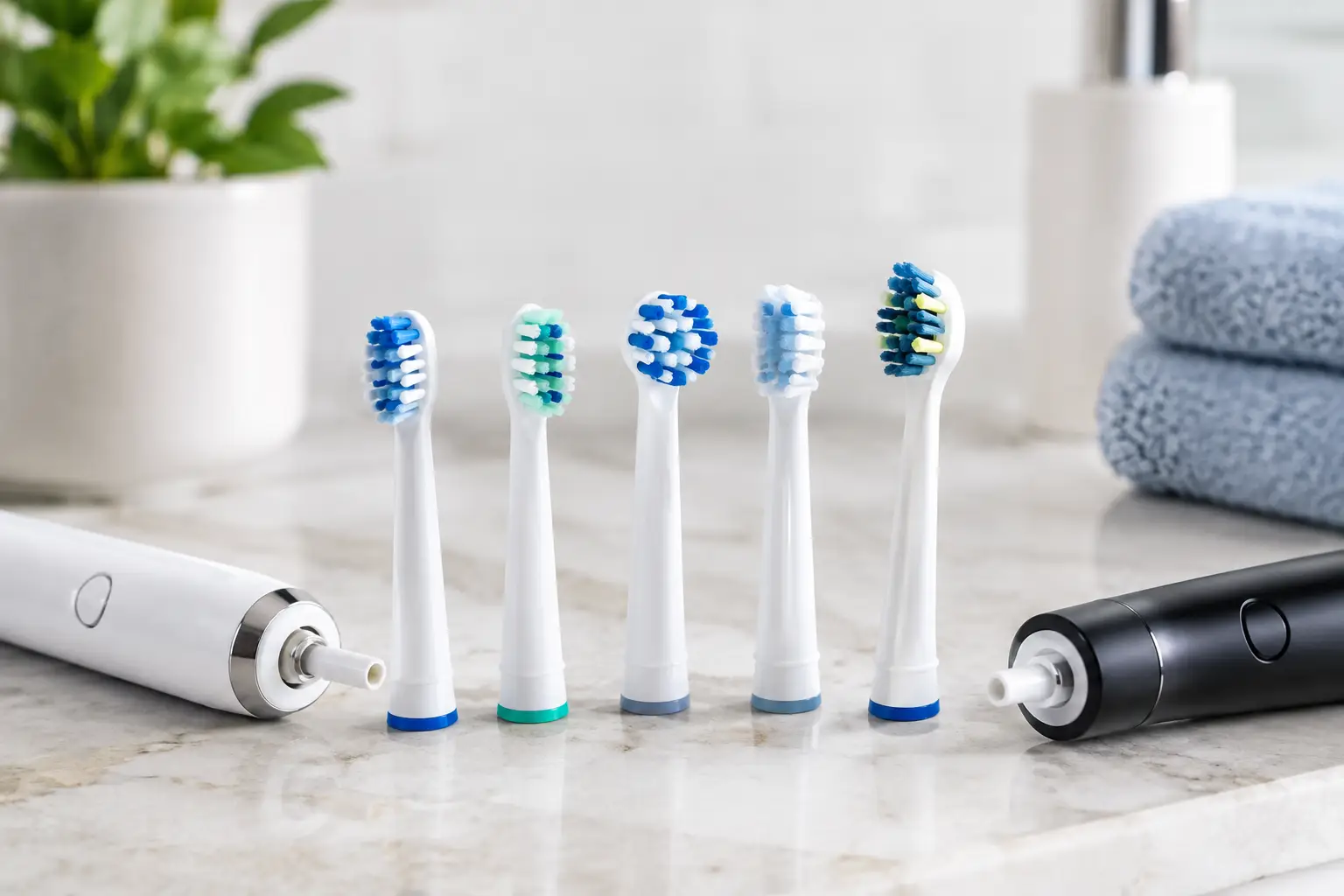
Toothbrush Head Compatibility Guide for Better Fit
A replacement head that almost fits is not a saving. It can wobble, clean unevenly, drain a battery faster or come loose mid-brush. This toothbrush head compatibility guide makes the choice simpler: match the head to the handle it was designed for, then choose bristles that feel comfortable enough to use twice a day.
For a bathroom routine that looks considered as well as works hard, the right fit matters. A well-matched electric brush head keeps the motion where it belongs – at the bristles – while a fresh head helps make every clean feel gentle, thorough and dependable.
Why toothbrush head compatibility matters
Electric toothbrushes may look similar on the counter, but their connection systems are not universal. The metal shaft, internal drive, locking mechanism and electronic settings can differ between ranges, even when the handles have a similar shape. A head made for one model may not sit securely on another.
When a replacement head is truly compatible, it attaches firmly without force, follows the handle’s intended movement and leaves no unusual gap at the base. That supports consistent cleaning across the gumline and hard-to-reach back teeth. It also helps protect the handle you have chosen to keep using.
There is an environmental benefit, too. Buying a replacement that fits first time avoids unnecessary returns and wasted packaging. Rechargeable electric toothbrushes already reduce the need to discard a whole device every few months. Choosing the correct head is what makes that lower-waste routine practical over the long term.
Toothbrush head compatibility guide: start with your handle
The safest rule is straightforward: use replacement heads made for your exact toothbrush model or range. Check the product name printed on the handle, its packaging or your order confirmation before purchasing. If your handle has a model number, compare that as well.
Do not rely on the word “electric” alone. A sonic brush and an oscillating-rotating brush use different cleaning actions and commonly use different fittings. Some heads slide over a small drive shaft; others click, twist or lock into place. A head may appear to attach yet still be wrong for the mechanism.
If you use a MAXDENT rechargeable bamboo electric toothbrush, select the replacement brush head specified for that handle. This keeps the brush’s compact design, cleaning modes and intended performance working together. It is a simple choice that supports reliable performance for everyday use.
Check the attachment, not just the shape
Before opening a replacement pack, compare its attachment point with your current head. Look at the opening underneath, the depth of the fitting and any tabs or grooves. The outside silhouette of two heads can be misleading, particularly if both have a slim neck and rounded bristle field.
A correct head should slide or click on with light, controlled pressure. It should not require twisting, bending or forcing. Once fitted, it should sit straight and feel stable. A small amount of movement may be normal for certain designs, but rattling, slipping or visible separation between head and handle is a reason to stop using it.
Avoid “universal” assumptions
“Universal” can mean different things on product packaging. It may describe compatibility within one manufacturer’s product family rather than every electric toothbrush on the market. It can also refer only to a particular style of shaft.
Third-party heads can sometimes be suitable, but only where the manufacturer clearly identifies your precise handle as compatible. The trade-off is usually price versus certainty. A low-cost option may be appealing, yet an unclear fit can affect cleaning action, comfort and the lifespan of the handle. For a device you use every morning and night, clarity is worth more than a vague promise.
Manual bamboo toothbrushes work differently
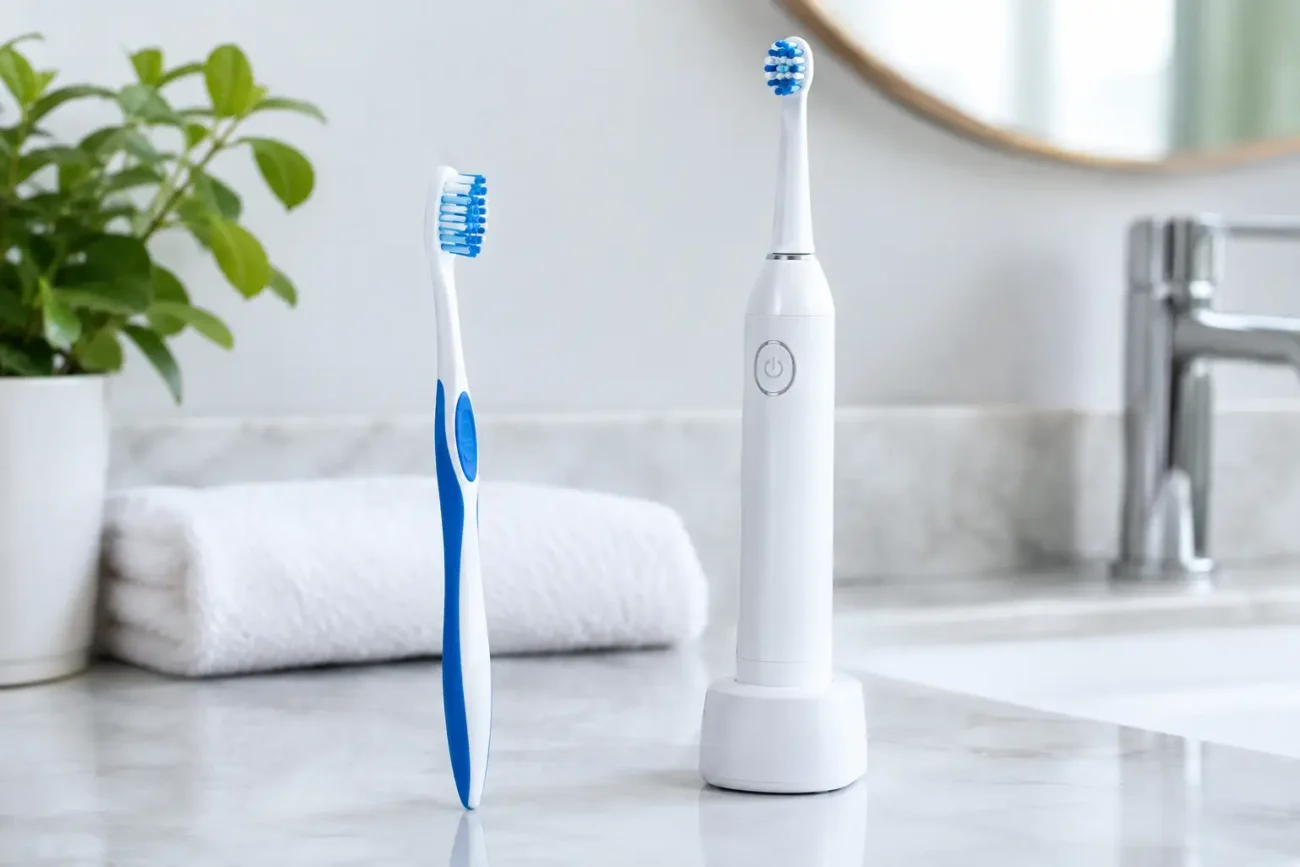
A manual bamboo toothbrush does not use detachable brush heads. When the bristles become worn, the full toothbrush is replaced. This is not a compatibility issue in the same way as an electric handle, but choosing the right brush still matters.
Look for soft bristles that flex around teeth and the gumline without feeling harsh. Bamboo offers a natural, minimalist alternative to a disposable plastic handle, while charcoal-infused bristles can suit shoppers who want a clean, contemporary bathroom essential. The best choice is the one you will use with a gentle, consistent technique.
It is worth being realistic about materials at end of life. A bamboo handle is a thoughtful move away from an all-plastic brush, but bristles and other components may need separate disposal depending on local facilities. Check your local guidance rather than assuming the whole brush belongs in home compost.
Choose the bristle style after you confirm the fit
Compatibility comes first. Once you know a head is made for your handle, consider the bristle feel and head size that suit your routine.
Soft bristles are a comfortable everyday choice for many people, especially if gums feel sensitive or you tend to brush with pressure. They can still clean effectively when paired with careful technique and enough brushing time. Firmer bristles are not automatically better: pressing harder can irritate gums and wear surfaces over time.
A compact head can be easier to guide around molars and along the inside of teeth. A larger head may cover more surface area at once, but it can feel less precise in a smaller mouth. Teenagers and adults often have different comfort preferences, so a shared bathroom does not always mean one replacement style suits everyone.
If you have braces, a restoration, ongoing sensitivity or have been advised to use a particular brush type, follow your dentist’s recommendation. A compatible head protects the handle; the right bristle choice protects the comfort of your daily routine.
How often should you replace an electric brush head?
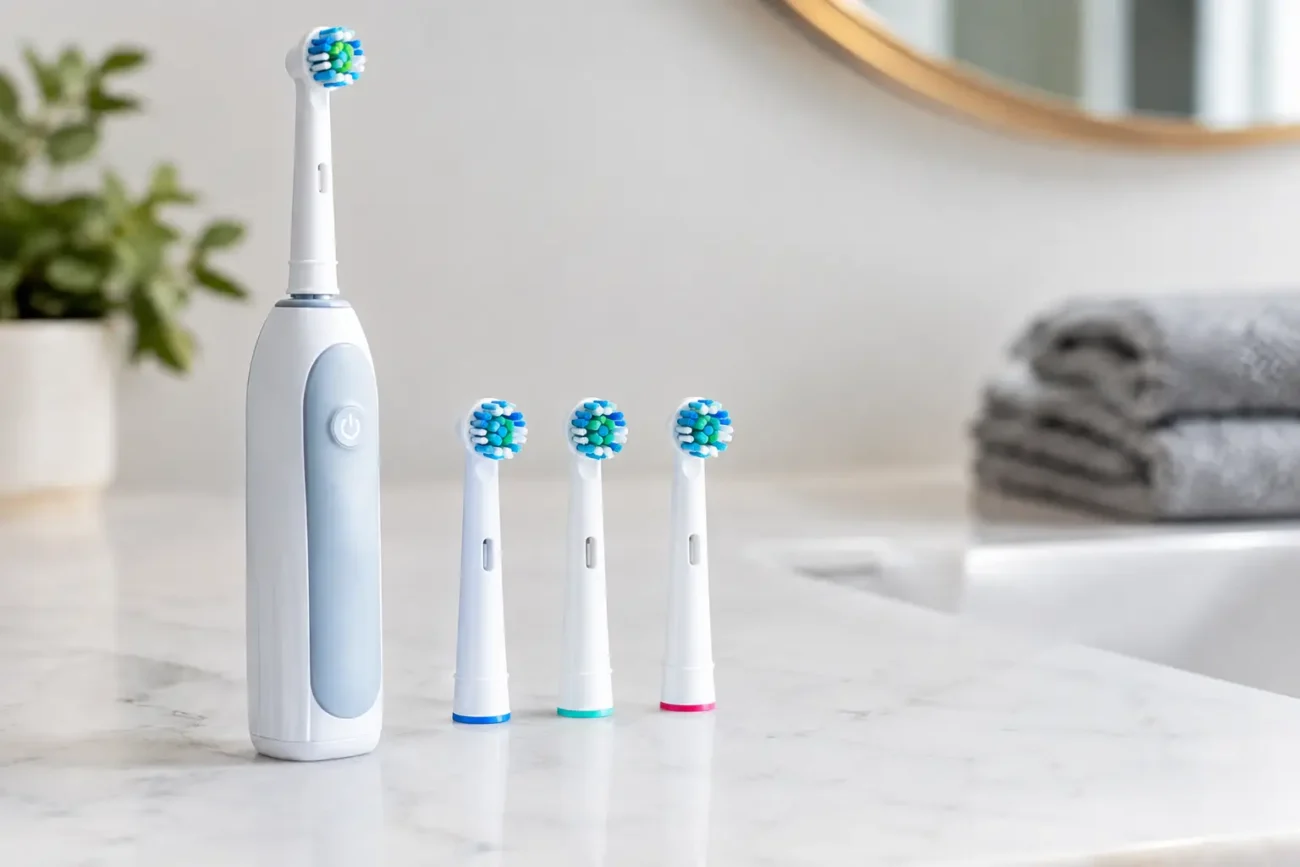
For most people, replacing an electric toothbrush head around every three months is a useful baseline. Replace it sooner if bristles splay, flatten, fade significantly, feel rough or have been exposed during illness. A worn head does not clean as predictably and can make it tempting to apply more pressure.
Your routine may change the timing. Someone who brushes thoroughly twice daily with a whitening toothpaste may notice wear sooner than someone with a lighter touch. Travelling with an uncovered brush head can also bend bristles. Rather than waiting for a calendar reminder alone, inspect the bristles regularly in good bathroom light.
Keeping a small supply of correct replacements at home helps prevent the familiar moment when an old head is clearly past its best. It also makes a rechargeable brush feel like the long-lasting choice it is meant to be: retain the handle, refresh the cleaning surface, and carry on.
A quick fit check before your first brush
After fitting a new head, run through a few practical checks. It should be the designated head for your model, attach without force and sit securely with no obvious wobble. Turn the brush on briefly and listen for unusual knocking or rattling. The motion should feel controlled, not loose or uneven.
Then brush gently. There should be no pinching at the connection point, no sudden release and no need to push the head back into place. If anything feels wrong, remove the head and confirm the model details rather than trying to make it work. Forcing an incompatible part can damage a good handle and creates the very waste a rechargeable system is designed to avoid.
Care for the head you have chosen
Rinse the bristles after each use and let the head air-dry upright where possible. Avoid storing it in a permanently closed, damp cover at home, although a ventilated travel cap can be useful on a holiday or weekend away. Keep the handle connection clean and dry when changing heads.
Do not share brush heads, even within the same household. Separate replacement heads are a small but meaningful part of good hygiene, and they let each person choose the bristle feel that suits them. If multiple handles live on one counter, label them discreetly or keep each person’s head in its own holder.
A thoughtful oral-care routine does not need to be complicated. Choose a head made for your handle, favour soft and comfortable bristles when they suit your needs, and replace it before wear becomes obvious. That is how a refined bamboo electric toothbrush remains a useful daily companion – clean-looking, gentle to use and made to stay in the routine rather than be replaced too soon.


Add a review
Your email address will not be published. Required fields are marked *