
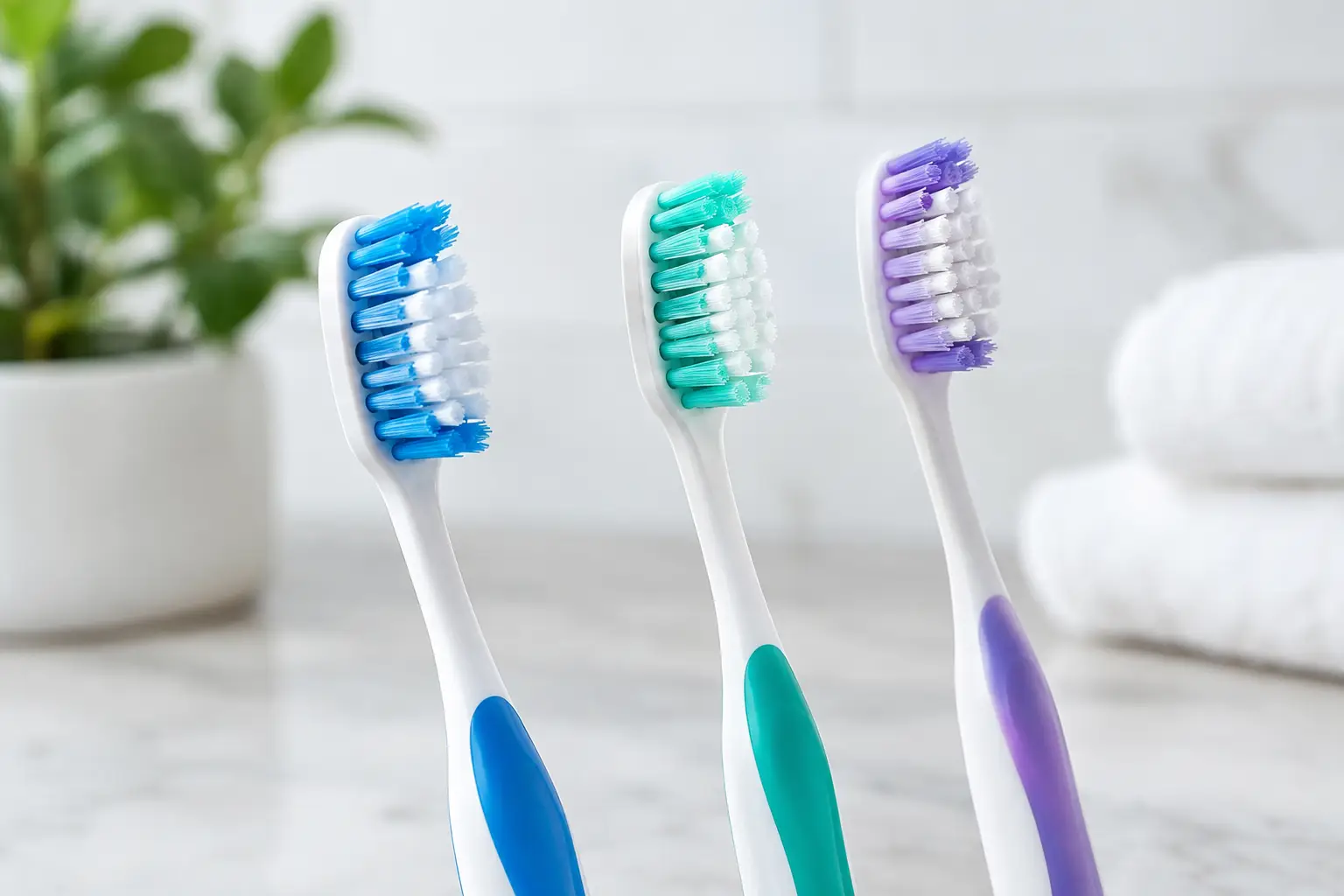
How to Choose Toothbrush Bristle Softness
A toothbrush can look beautifully simple on the bathroom counter, but its bristles do serious daily work. Learning how to choose toothbrush bristle softness means finding the balance between a fresh, thorough clean and the comfort that keeps your gums happy morning and night. For most people, that balance starts with soft bristles – not because they are less effective, but because good technique matters far more than a hard scrub.
A well-designed bamboo toothbrush makes that everyday choice feel lighter in more ways than one. You get a natural-looking handle, a practical alternative to disposable plastic, and bristles made to clean with care. The right softness helps turn brushing into a routine that feels comfortable, effective and easy to maintain.
Why soft bristles are usually the smarter choice
It is easy to assume firmer bristles clean more deeply. In practice, plaque is soft and removable when you brush carefully for two minutes with fluoride toothpaste. You do not need stiff bristles or heavy pressure to remove it from teeth and along the gumline.
Soft bristles can flex around the contours of teeth and reach gently towards the gum margin, where plaque tends to collect. They are also less likely to feel harsh if you brush twice a day, use an electric toothbrush, or are prone to pressing too firmly. That makes them a reliable everyday option for adults and teenagers alike.
Medium and firm bristles are not automatically bad, but they leave less room for error. If your brushing style is energetic, or you already notice sensitivity, gum tenderness or worn-looking areas near the gumline, firmer bristles can add unnecessary friction. A toothbrush should clean your mouth, not make it feel as though it has been polished with a scouring pad.
Soft does not mean weak
A soft-bristled toothbrush should still feel purposeful. Quality bristles keep their shape between uses, offer enough spring to sweep plaque away, and stay comfortable at the gumline. The goal is controlled contact, not stiffness.
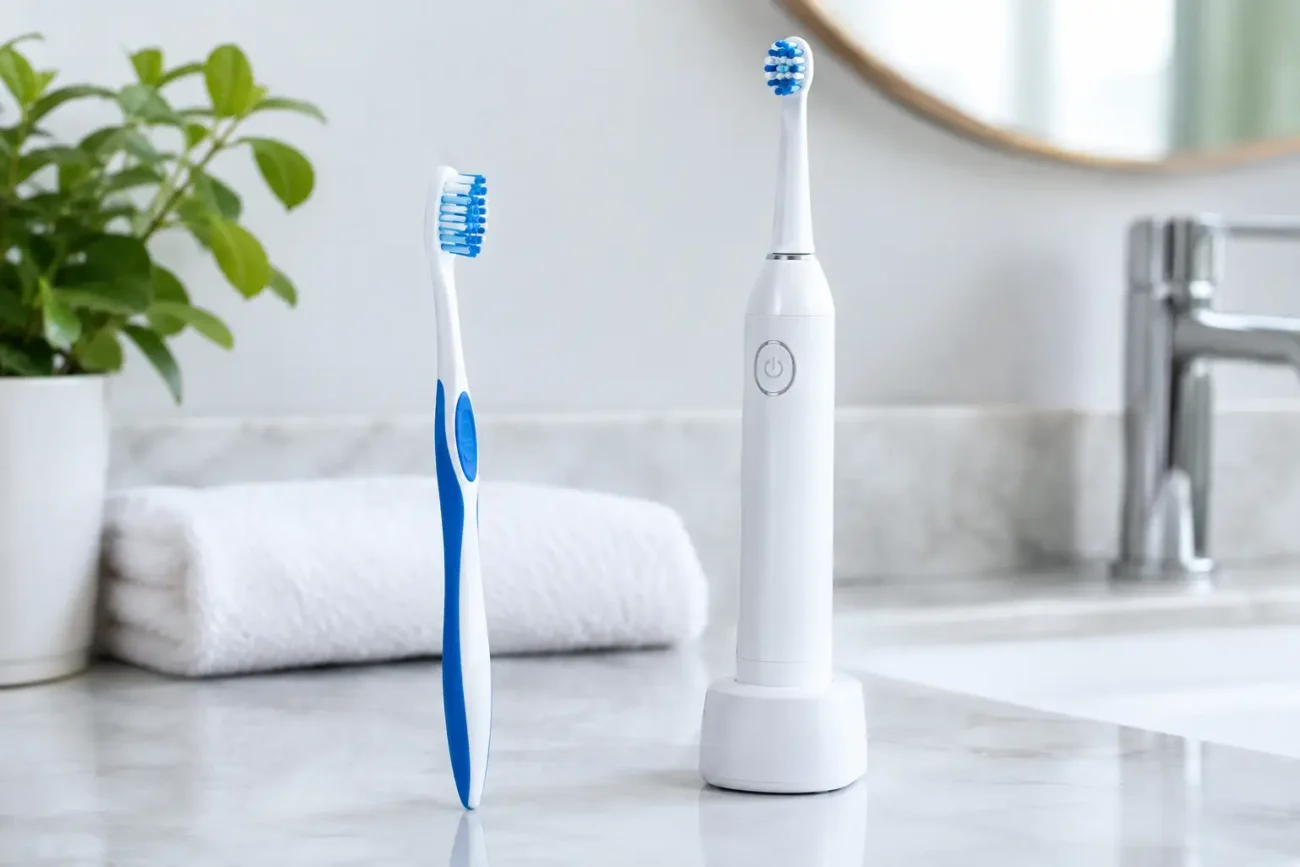
This is especially useful with a rechargeable electric toothbrush. The brush head supplies rapid, consistent movement, so there is no need to compensate by choosing firmer bristles or pushing harder. Place the bristles gently against each tooth and let the brush do the work.
How to choose toothbrush bristle softness for your needs
Your gums, enamel sensitivity and brushing habits all matter. Although soft bristles suit the majority of routines, a few everyday situations can make the decision even clearer.
If your gums bleed or feel tender
Bleeding gums should not be ignored, especially if it continues. It can be a sign that plaque is irritating the gumline, and switching to an extra-soft or soft brush can make brushing feel more manageable while you improve your routine. Brush gently at the gumline rather than avoiding the area altogether.
If bleeding, swelling, pain or sensitivity persists, book an appointment with your dentist or hygienist. A different bristle softness may improve comfort, but it cannot replace tailored dental advice.
If you have sensitive teeth
Sensitivity can make cold drinks, sweet foods or brushing itself unpleasant. Soft bristles are generally the sensible starting point because they minimise mechanical wear while still cleaning effectively. Pair them with a sensitivity toothpaste if recommended by your dental professional, and avoid a vigorous back-and-forth motion.
Look at your technique too. Sensitive teeth are sometimes linked to brushing too hard rather than the brush alone. Hold the handle with a light grip – more like a pen than a clenched fist – and use small, gentle movements.
If you wear braces, retainers or dental work
Braces, fixed retainers, crowns and veneers create extra edges and surfaces where plaque can settle. Soft bristles are useful here because they can move around detailed areas without feeling abrasive against gums or restorations.
You may need additional cleaning tools for spaces around brackets or between teeth, depending on your dentist’s advice. Your toothbrush is the foundation of the routine, but it is not expected to do every job by itself.
If your mouth feels healthy and you prefer a firmer feel
A clean, slightly firmer sensation is often mistaken for better cleaning. Before moving up to medium bristles, try a soft brush with careful technique for a couple of weeks. Focus on the full two minutes, cover every surface, and replace your brush or head when the bristles begin to splay.
If medium bristles still feel right and your dentist has no concerns about gum recession, enamel wear or sensitivity, they may suit you. The trade-off is that you need to be more mindful of pressure. Firm bristles are rarely necessary for daily toothbrushing.
Bristle softness and your brushing technique
Even the best toothbrush cannot correct an overly forceful routine. Frayed bristles after only a few weeks are a common clue that too much pressure is being used. They also clean less precisely once bent out of shape, so pressing harder becomes a frustrating cycle.
Aim the brush at a slight angle towards the gumline and use gentle, controlled motions. Clean the outer, inner and chewing surfaces of every tooth. Spend a little extra time where your teeth meet your gums, then brush your tongue softly if it feels comfortable. This approach is effective with a manual bamboo brush and equally relevant when using a rechargeable electric model.
For electric brushing, avoid the instinct to scrub. Guide the brush slowly from tooth to tooth and let its cleaning mode provide the movement. A compact brush head can make it easier to reach back teeth without stretching your mouth or applying extra force.
What to look for beyond softness
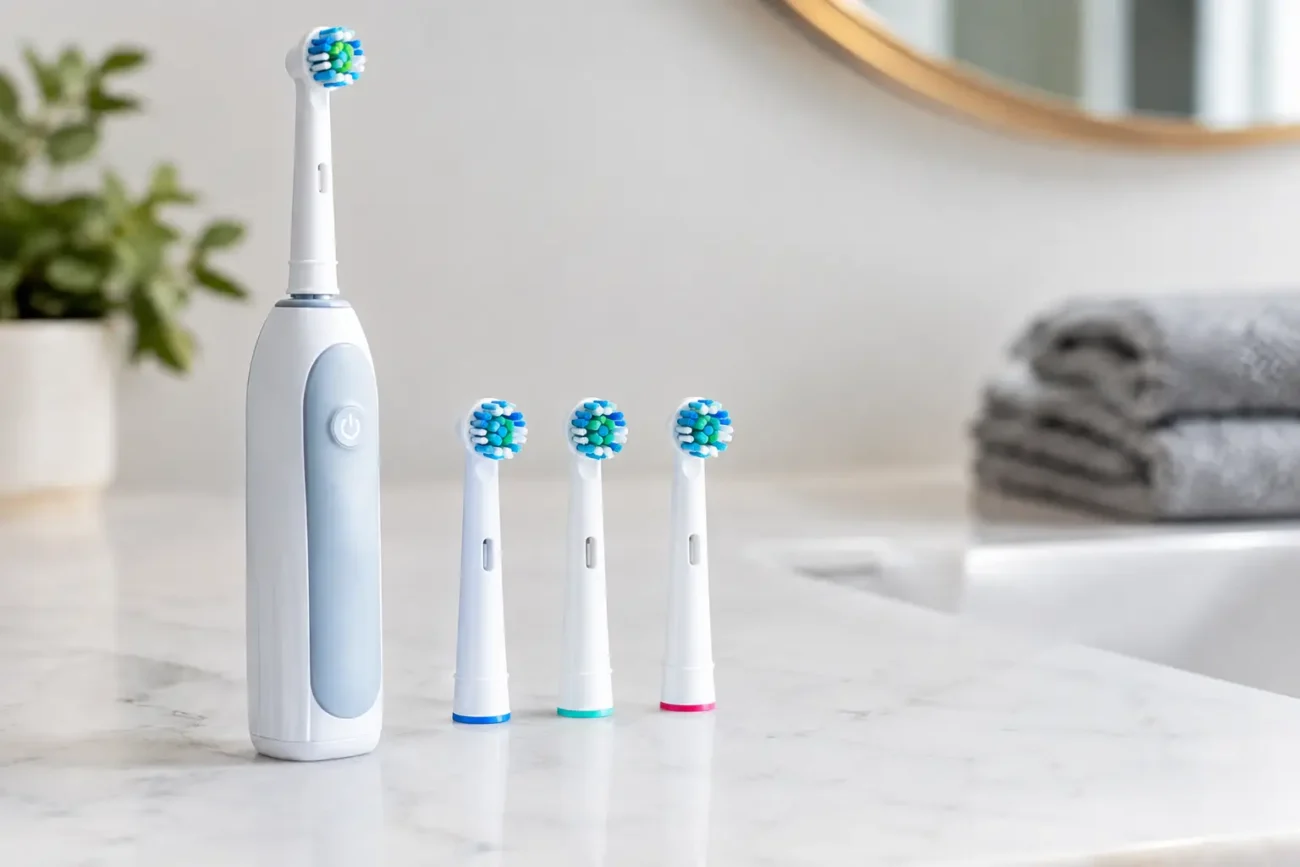
Bristle softness is a priority, but it is only one part of a toothbrush you will enjoy using every day. A comfortable handle helps you maintain a light grip and better control. A compact head can reach awkward back corners. With an electric brush, useful features include dependable battery life, replaceable brush heads and settings that fit your preferred cleaning experience.
Material choices matter too. A bamboo handle brings warmth and a clean, minimalist look to a daily essential that is usually made from plastic. It is a practical switch for anyone who wants their bathroom routine to create less reliance on disposable plastic without giving up comfort or performance.
When choosing bamboo toothbrushes, check the full product information rather than assuming every component has the same end-of-life options. Handles, bristles and packaging can be made from different materials and may need different disposal routes. Clear product details make it easier to make a considered choice.
When to replace a soft toothbrush or brush head
Soft bristles are designed to bend gently during use, so replacing them at the right time matters. As a general guide, change your manual toothbrush or electric brush head about every three months. Replace it sooner if the bristles are visibly splayed, flattened, discoloured or no longer feel effective.
A fresh brush head is not just about appearance. Straight, well-spaced bristles clean more consistently around teeth and gums. If more than one person shares a bathroom, choosing a simple storage spot where brushes can air-dry separately is also a small habit that supports a cleaner routine.
A gentler choice you can keep using
For most smiles, soft bristles offer the best combination of comfort and reliable daily cleaning. They reward a thoughtful technique, support sensitive gums, and work beautifully with both manual and electric brushing. Add a well-made bamboo handle or rechargeable bamboo electric toothbrush, and your routine can feel considered from the first brush to the last.
Choose the softness that makes you want to brush carefully twice a day, then give it the time and gentle pressure it deserves. Your teeth, gums and bathroom counter will all feel better for it.


Add a review
Your email address will not be published. Required fields are marked *