
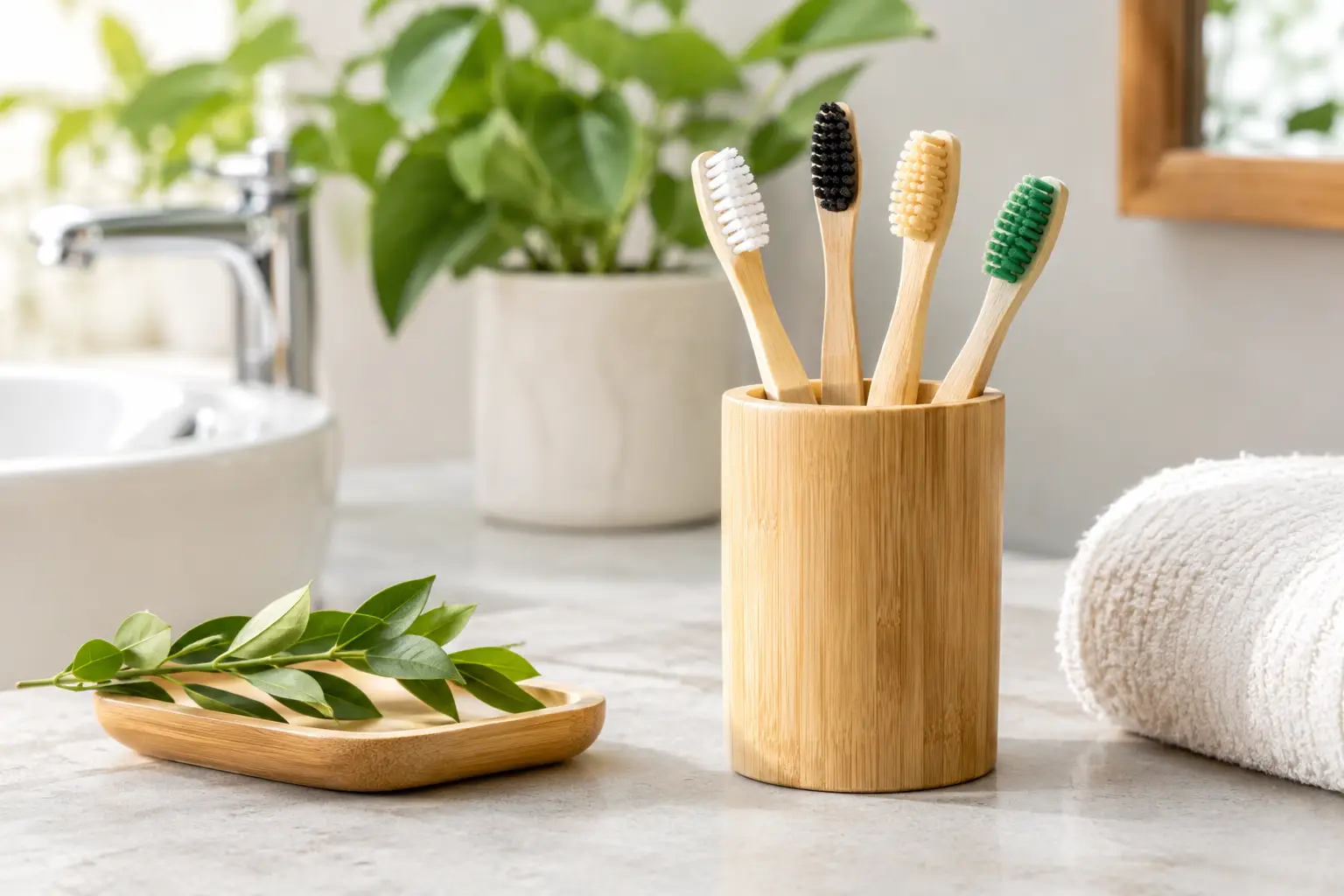
Bamboo Toothbrush Care for a Fresher Routine
A bamboo toothbrush can look beautifully simple on the bathroom shelf, but bamboo toothbrush care makes a real difference to how fresh it feels and how long the handle stays in good condition. The goal is not to treat it delicately. It is to give it the same clean, dry place you would want for any brush that goes in your mouth twice a day.
Bamboo is a practical alternative to a disposable plastic handle, with a warm natural finish that suits a calmer, less cluttered bathroom. Like other natural materials, though, it prefers not to sit in water. A few small habits after brushing help protect the handle, keep bristles cleaner and make every brush feel ready for use.
Bamboo toothbrush care starts with drying
After brushing, rinse the bristles thoroughly under clean running water. This removes toothpaste, loosened debris and the foam that can otherwise dry between the filaments. Use a gentle flow rather than forcing the bristles flat under a powerful tap, especially if you use a soft brush designed for comfortable gum care.
Give the toothbrush a firm shake over the basin, then store it upright with the bristles facing up. It needs airflow around both the brush head and handle. A toothbrush pot is fine if it stays dry and is cleaned regularly, but avoid packing several wet brushes tightly together. If they touch, moisture takes longer to evaporate and the bristles cannot dry as freely.
The most common mistake is leaving a bamboo toothbrush lying on the edge of the sink or in a puddle inside a holder. Repeated soaking can make the surface feel rougher over time. Bamboo is durable for everyday brushing, but it is not meant to live in standing water.
Keep it out of closed, damp spaces
A travel case is useful on a weekend away, but only put your brush inside once it has had time to dry. Closing a damp toothbrush in a case traps moisture, whether the handle is bamboo or plastic. For daily storage at home, an open holder in a well-ventilated part of the bathroom is usually the better choice.
If your bathroom stays steamy after showers, move the brush away from the shower area or open a window where possible. You do not need a complicated storage system. A clean, dry holder with a little space between brushes is enough.
Clean your toothbrush without overdoing it
Toothbrushes do not need harsh cleaners, boiling water or disinfectants as part of a normal routine. Rinsing well after every use and allowing the brush to air dry is the most useful everyday care. Strong chemical products may affect the bristles, while excess heat can alter their shape.
For a more thorough refresh, wash the handle occasionally with mild soap and water, then dry it immediately with a clean towel. Keep the wash brief rather than soaking the handle. There is no need to put a bamboo toothbrush in the dishwasher, microwave or steriliser unless the specific product instructions say it is suitable. High heat and prolonged water exposure are not kind to natural bamboo or most toothbrush bristles.
If toothpaste residue gathers around the base of the bristles, rinse from different angles and gently wipe the neck of the brush with a clean, damp cloth. Do not scrape at the bristles with sharp tools. Bent or frayed bristles cannot clean as effectively, so preserving their shape matters more than making the brush look brand new.
Sharing is never part of good brush care
Even in a busy household, everyone should have their own toothbrush. It is a simple boundary that reduces the transfer of germs between users. Choose different bristle colours, label the holder or give each person a separate space, especially where several bamboo brushes share one bathroom.
After illness, replacing your toothbrush or electric brush head can be a sensible extra precaution once you are feeling well again. The same applies if the brush has been dropped somewhere unhygienic or stored wet for a long period. When in doubt, a fresh brush is an easy reset for your routine.
Know when it is time to replace it
A toothbrush is not designed to last forever, even when the bamboo handle still looks good. Most people should replace a manual toothbrush or electric brush head around every three months. Replace it sooner if the bristles are splayed, flattened, discoloured or no longer spring back into shape.
Soft bristles are gentle on gums, but they can show wear earlier than firmer bristles if you brush with too much pressure. You do not need to scrub to get a thorough clean. Angle the brush gently along the gumline and use small, controlled movements for two minutes. If your bristles flare quickly, easing your pressure may help your next brush last as intended.
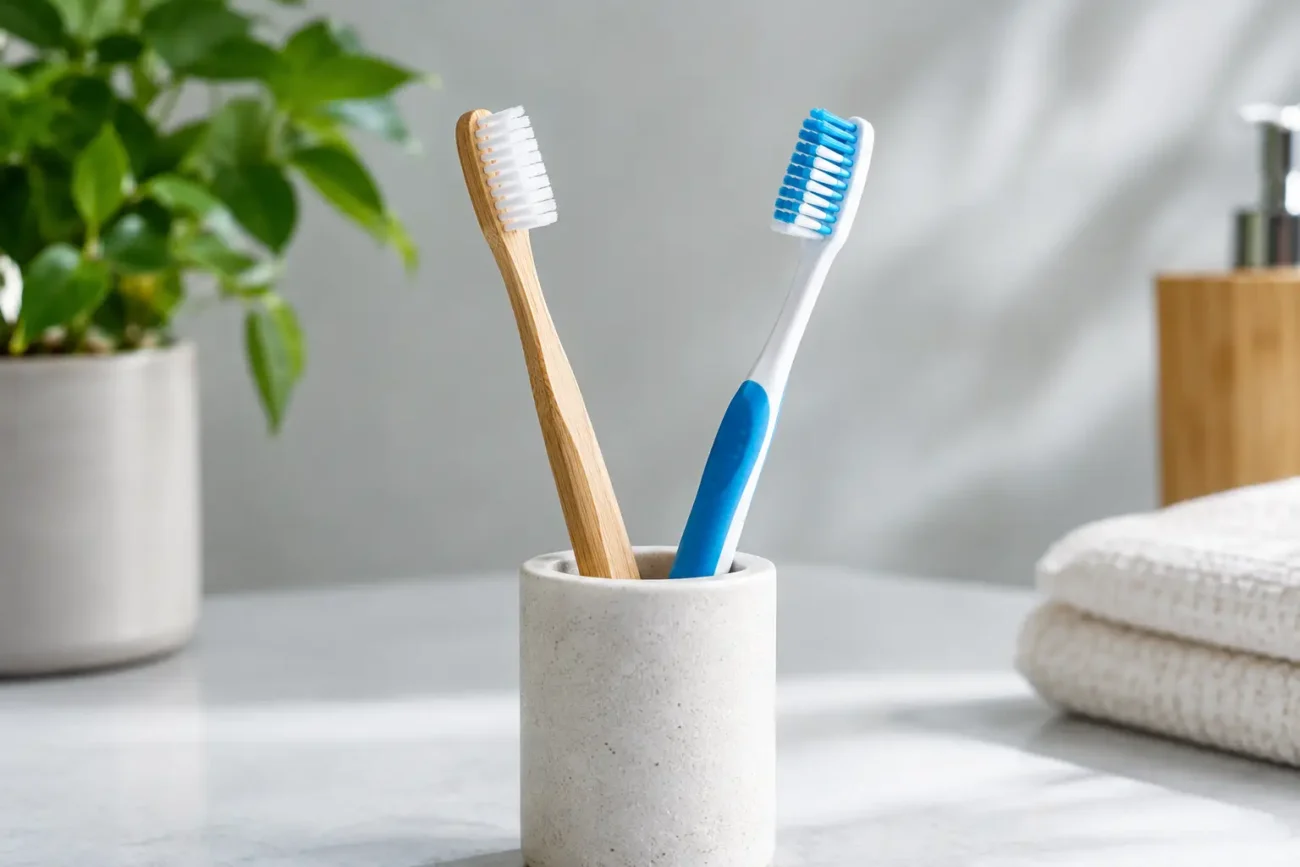
The handle and brush head do different jobs. With a manual bamboo toothbrush, the full brush is replaced when the bristles wear out. With a rechargeable bamboo electric toothbrush, the replaceable head is the component that normally needs changing, while the handle is designed for longer-term use. That means less routine waste without asking you to give up the familiar benefits of an electric clean.
Bamboo toothbrush care for electric models
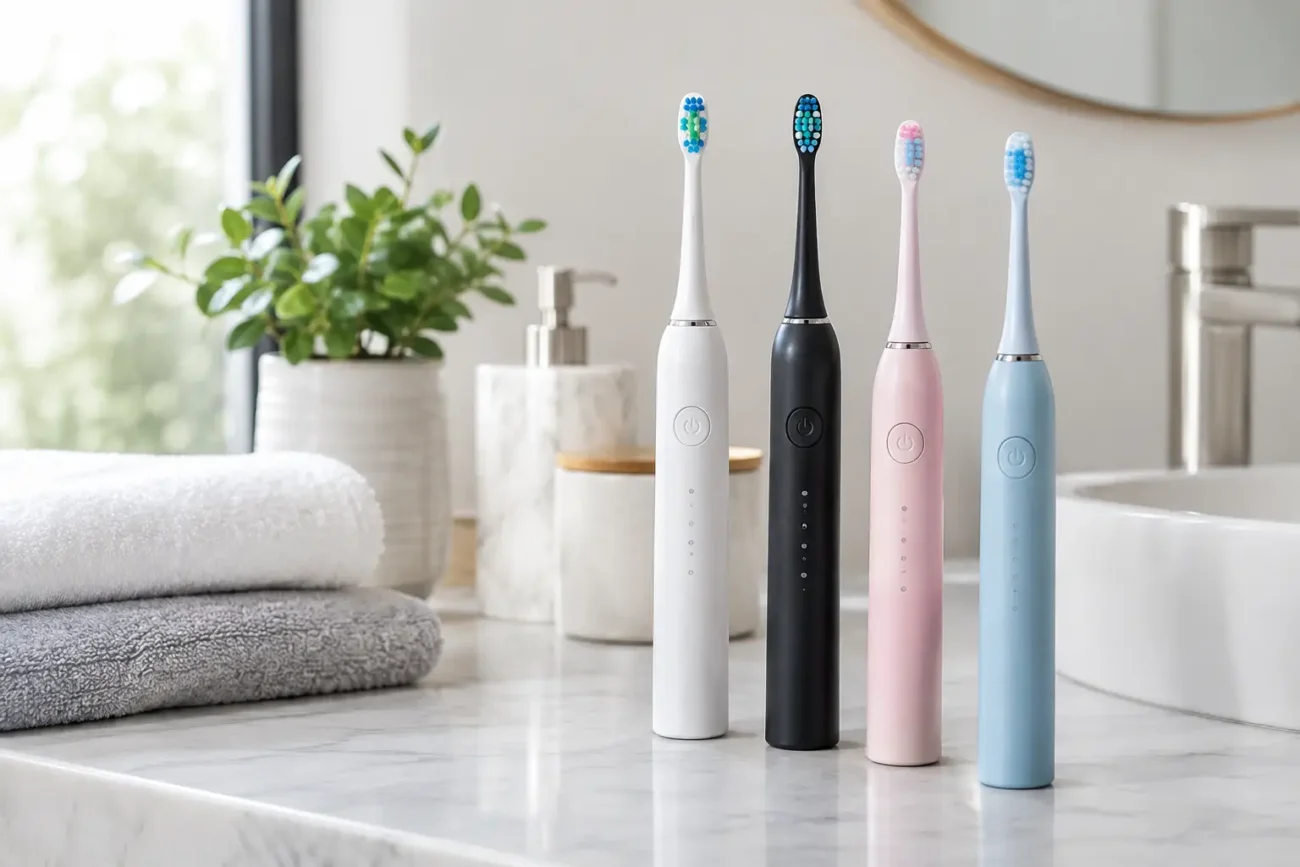
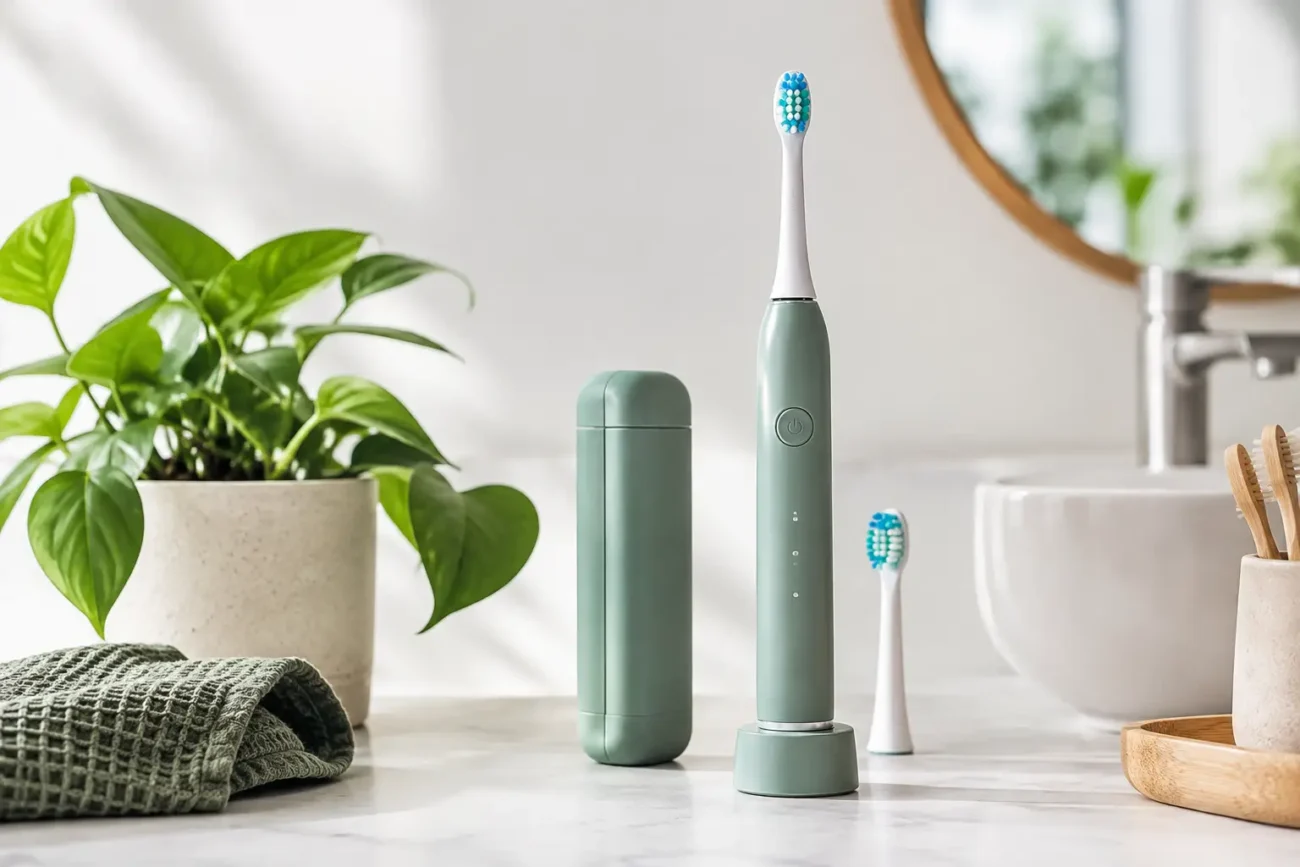
Rechargeable electric toothbrushes need slightly different care because their handles contain electrical components. After brushing, remove the brush head if your model instructions recommend it, rinse the head thoroughly and let it dry separately before putting it back on. This can help prevent residue from collecting where the head connects to the handle.
Wipe the bamboo handle with a lightly damp cloth, then dry it straight away. Do not submerge an electric handle in water or leave it in a wet sink. The exact water-resistance level varies by model, so the product instructions should always take priority over general advice.
Keep the charging base clean and dry. Place it on a stable surface away from splashes, and only charge the handle as directed. Long battery life is one of the pleasures of a rechargeable brush: less daily fuss, fewer disposable batteries and a tidy countertop. There is no advantage in leaving any device sitting in water or covering it with a damp cloth while charging.
MAXDENT rechargeable bamboo electric toothbrushes pair this lower-waste approach with soft replacement heads and daily cleaning modes, so looking after the handle helps you enjoy the design and performance for longer.
A better end-of-life routine
The bamboo part of a toothbrush is often the element people think about first at disposal time, but the bristles need consideration too. Many toothbrush bristles are made from nylon or another synthetic material so they can stay flexible and effective during brushing. That means the whole toothbrush should not automatically be placed in a home compost bin.
When your manual brush reaches the end of its life, check the guidance from your local council or composting service before disposing of it. If the bristles can be removed safely, separate them from the bamboo handle only if your local rules permit it and the product design allows it without risk. Never make disposal harder by assuming every compost system accepts treated bamboo, small brush handles or mixed materials.
This is where regular replacement still has a practical sustainability benefit. Choosing a bamboo handle reduces reliance on a fully plastic manual toothbrush, while selecting a rechargeable electric brush with replacement heads avoids throwing away a complete powered handle every few months. The best option depends on how you brush, what feels comfortable and which routine you are most likely to maintain.
Make the routine easy enough to keep
Good toothbrush care should take seconds, not become another task on the bathroom list. Rinse well, shake off water, stand the brush upright and let it dry. Check the bristles every few weeks, and set a reminder for your next replacement if you tend to lose track.
A clean bamboo toothbrush brings a small sense of order to the start and end of the day. Give it a dry place to rest, brush gently and replace the head when it has done its job. Those simple choices keep your oral-care routine comfortable, effective and a little lighter on plastic.

Add a review
Your email address will not be published. Required fields are marked *